Aluminum: The Ubiquitous Backbone of Precision Manufacturing – Exploring the Top Applications of CNC Machined Aluminum Parts

This guide explores the top applications of CNC machined aluminum. You will see why aerospace, consumer electronics, automotive, and medical industries choose aluminum for their most critical parts.
1. Why Aluminum Is the #1 Choice for Precision CNC Machining
Aluminum has five key advantages for CNC work.
-
Light weight with high strength: It is one‑third the density of steel. Yet some alloys (like 7075) are as strong as mild steel.
-
Natural corrosion resistance: The oxide layer stops rust. No plating needed for indoor use.
-
Excellent thermal and electrical conductivity: It pulls heat away from electronics. It also conducts electricity well.
-
Superb machinability: Aluminum cuts fast. Tools last long. You can run at high spindle speeds (10,000‑20,000 RPM) with high feed rates.
-
Anodizing compatibility: You can add color, increase surface hardness, and improve wear resistance. Anodizing also gives a premium look.
Because of these traits, aluminum is the go‑to metal for parts that must be light, precise, and good‑looking.
2. Aerospace: Lightweight and Reliable Structural Parts
Aerospace engineers love aluminum. Every gram saved saves fuel. And the part must hold under extreme stress.
Common Aerospace Aluminum Alloys
-
7075‑T6: Very high strength. Used for wing spars, fuselage frames, and landing gear parts.
-
7050: Better resistance to stress corrosion. Used in thick sections like wing fittings.
Typical Parts Machined from Aluminum
-
Structural brackets and ribs
-
Control system linkages
-
Avionics housings
-
Seat tracks and floor beams
CNC Challenges for Aerospace Aluminum
-
Thin walls and deep pockets: Aerospace parts often have complex geometries with wall thicknesses under 1mm. 5‑axis CNC machines are used to reach undercuts and maintain stiffness.
-
Tight tolerances: Many features require ±0.01mm or better. On‑machine probing and CMM verification are standard.
-
Material traceability: Every bar must have a mill certificate (AMS or ASTM). No exceptions.
3. Consumer Electronics: Beauty, Feel, and Cooling in One
Your phone feels cool and solid. That is aluminum. The sleek look comes from CNC machining and anodizing.
Why Aluminum for Electronics?
-
Heat dissipation: Phones and laptops get hot. Aluminum pulls heat away from the processor and battery.
-
Premium finish: Sandblasting + anodizing gives a soft, matte feel. High‑light chamfering (diamond cut) adds a shiny edge.
-
Strength with thin walls: A phone frame can be 1.2mm thick and still resist bending.
Typical Parts
| Device | Aluminum Parts |
|---|---|
| Smartphone | Middle frame, camera ring, volume buttons |
| Laptop | Top case, bottom case, hinge covers |
| Smartwatch | Watch case, bezel, back cover |
| Tablet | Unibody enclosure |
One‑Stop Process at DongGuan YiTai
-
CNC milling (vacuum fixture for thin parts)
-
Sandblasting (fine glass bead for uniform matte)
-
Anodizing (clear, black, or custom colors)
-
Diamond cutting for bright chamfers
4. Automotive & New Energy: Lightweighting and Thermal Management
Electric vehicles (EVs) need to be light to extend range. Aluminum is the answer.
Key Aluminum Applications in EVs
-
Motor housing: The casing around the electric motor. Must be round, seal against coolant, and dissipate heat.
-
Battery tray / pack housing: A large welded or machined structure that holds battery cells. Needs flatness for cooling plates.
-
LED headlight heat sink: Small, finned parts that pull heat away from high‑power LEDs.
Why Aluminum Beats Steel in EVs
| Property | Aluminum | Steel |
|---|---|---|
| Density | 2.7 g/cm³ | 7.8 g/cm³ |
| Thermal conductivity | 200 W/m·K | 50 W/m·K |
| Corrosion resistance (bare) | Good | Poor |
An aluminum battery tray can be 40% lighter than steel. That adds miles of range.
Typical Alloys for Automotive CNC
-
6061‑T6: General purpose. Good for motor housings and brackets.
-
6063‑T5: Better for anodizing. Used for heat sinks and cosmetic parts.
-
5052: Good for bending and welding. Used for battery tray components.
5. Medical, Robotics, and General Industry
Aluminum is not just for high‑tech. It is everywhere in industrial machines.
Medical Devices
-
Surgical instrument handles (light, can be sterilized)
-
MRI‑compatible parts (non‑magnetic)
-
Prosthetic foot and hand components
Robotics
-
Robot arm links and joints (high stiffness‑to‑weight)
-
End effectors and gripper fingers
General Industrial
-
Pneumatic valve bodies
-
Pump housings
-
Electronic enclosures for control panels
For these applications, 6061 aluminum is the most common choice. It machines easily, welds well, and is cheap.
6. Expert Insight: Aluminum Is Forgiving, But Know Your Alloy
“I have seen designers pick 7075 for a part that only needs 6061. 7075 is stronger, but it is also harder to machine. It warps more after cutting. And it costs twice as much. For a phone frame or a heat sink, 6061 is usually the best choice. For a structural part on a drone or a plane, 7075 or 7050 is worth the extra cost and care. Know the job, then pick the alloy.”
— Senior CNC Applications Engineer, DongGuan YiTai Electronic Technologies
One‑Stop CNC Machining and Finishing for All Aluminum Alloys
At DongGuan YiTai Electronic Technologies , we machine all common aluminum grades: 6061, 7075, 5052, 6063, and more. We offer:
-
3‑axis, 4‑axis, and 5‑axis CNC milling
-
CNC turning for round parts
-
Sandblasting (fine, medium, or coarse texture)
-
Anodizing (clear, black, blue, red, gold, etc.)
-
Laser engraving for logos and text
We also provide full inspection reports (CMM, flatness, roughness) and material certificates.
No matter your industry – aerospace, electronics, automotive, medical, or general industrial – we deliver precision aluminum parts that fit, function, and look great.
Send us your drawing. Tell us the alloy and quantity. We will reply with a DFM review and a firm quote.
7. Frequently Asked Questions (FAQ)
Q: What is the easiest aluminum alloy to CNC machine?
A: 6061‑T6 is the most machinable general‑purpose alloy. It cuts cleanly, produces short chips, and causes little tool wear. 7075 is harder and more abrasive. 5052 is softer and can leave a burr.
Q: Does aluminum need surface finishing?
A: Not always. For hidden parts, raw aluminum is fine. For visible parts, anodizing or sandblasting improves appearance and corrosion resistance. Anodizing also adds wear resistance.
Q: Can you weld CNC machined aluminum parts?
A: Yes. 6061 and 5052 weld well. 7075 is difficult to weld (cracking risk). If your assembly needs welding, choose 6061 or 5052. Design the weld joints before machining.
Q: What is the typical tolerance for CNC machined aluminum?
A: For standard work, ±0.05mm is easy. For precision work (bearing fits, mating surfaces), ±0.01mm is possible. For very high precision (aerospace), we hold ±0.005mm on critical features.
Q: How do you prevent aluminum parts from warping after machining?
A: Three steps. First, use stress‑relieved material (e.g., 6061‑T651 rather than raw T6). Second, rough the part, then let it rest, then finish. Third, clamp with low force (use vacuum fixtures for thin parts). For very tight flatness, we do a final grind.
Q: Does DongGuan YiTai Electronic Technologies offer aluminum prototypes?
A: Yes. We do single pieces and small batches with no minimum order. Typical lead time for a prototype is 5‑7 days. Rush service is available. Send your 3D file for a fast quote.
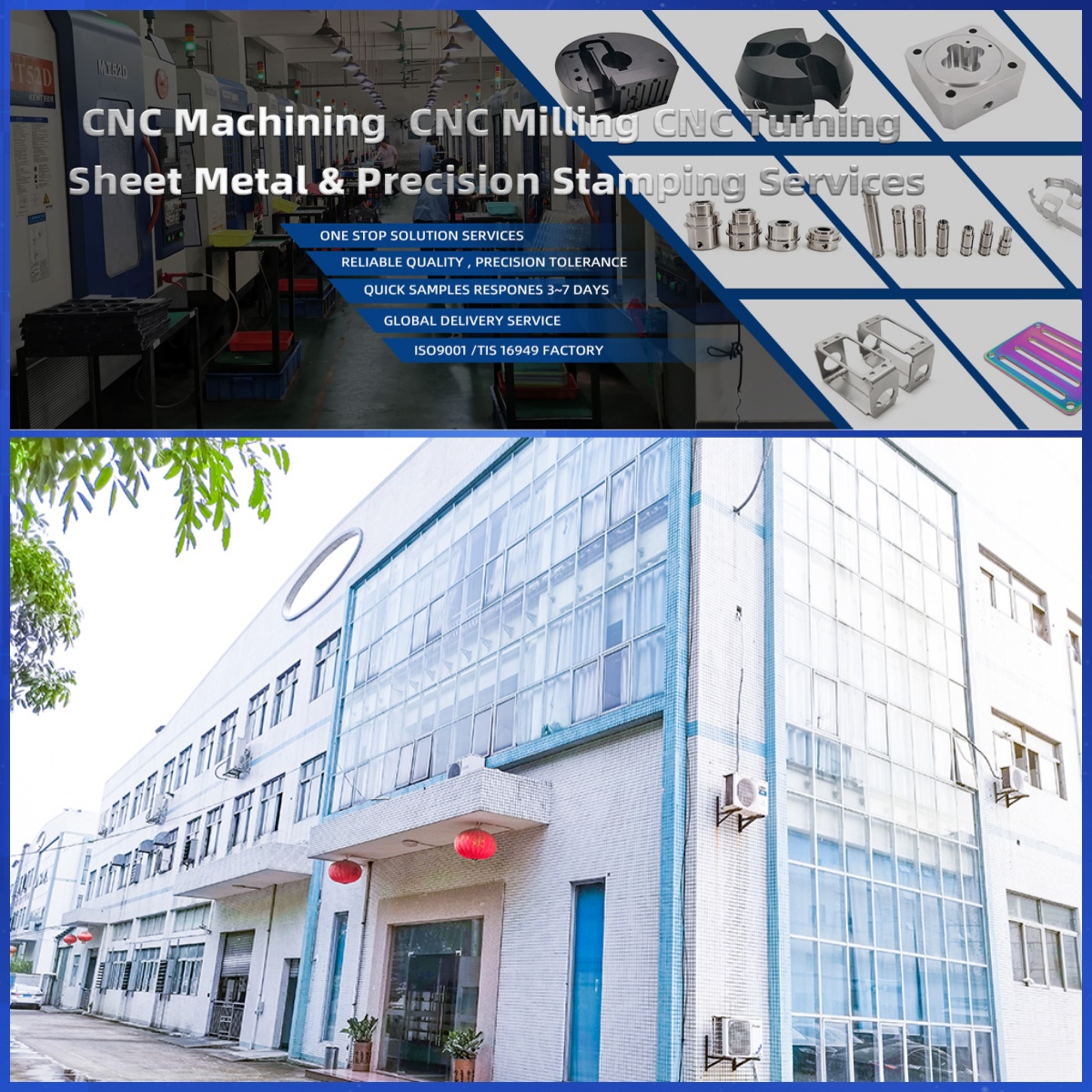
DongGuan YiTai Electronic Technologies Co.,Ltd
DongGuan YiTai Electronic Technologies Co.,Ltd is a manufacturing service provider located in Dongguan, China.
YiTai specialized in CNC turning machining and sheet metal fabrication mainly. As a member of Hung Mou Group, we focus on the overseas marketing development. And based on our parent company’s manufacturing capability and resources, YiTai also expended machining services such as die casting, injection molding, aluminum profile extrusion, 3D printing, which are committed to providing customers with one-stop purchasing services and experience.
CNC MACHINING , CNC MILLING , CNC TURNING , SHEETMETAL , FASTENER , OTHERS




Mastering the Precision Manufacturing Code of Machinable Stainless Steel: From 303 to 17‑4PH – A Complete Guide to Grades and CNC Processes
Purchasing Precision A36 Steel Parts: A Complete Hands‑On Manual from Supplier Selection to Final Acceptance
Related Article