Tool Types in CNC Turning: A Guide for the Hardware Industry
1. Introduction to CNC Turning Tools
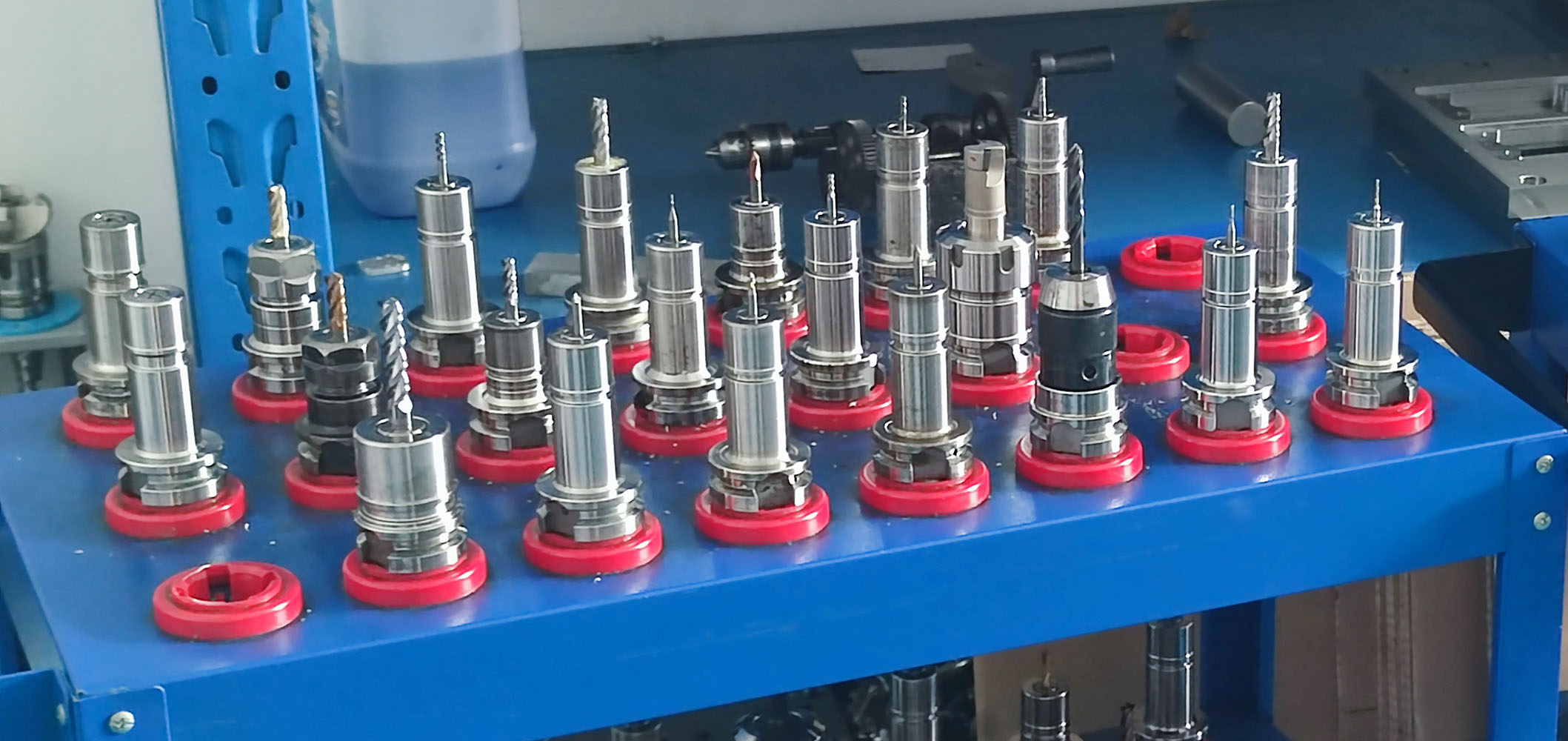
2. Common Tool Types in CNC Turning
Turning Tools
Boring Tools
- Indexable boring tools use replaceable inserts, similar to turning tools, making them cost-effective in many machining applications.
- Solid boring bars are made from a single material (e.g., solid carbide). They offer exceptional rigidity and are suitable for deep-hole machining.
Threading Tools
Grooving Tools
Drilling Tools
Knurling Tools
- Cutting knurling actually removes a small amount of material to create a sharper surface finish.
- Form knurling displaces material, forming the pattern by pushing the material. This method is faster but requires more force.
3. Comparison Table of Tool Types
This table compares common CNC turning tools based on key parameters. It helps in selecting the right tool for your needs.
| Tool Type | Main Use | Common Materials | Advantages | Disadvantages |
|---|---|---|---|---|
| Turning Tools | Outer surface cutting | Carbide, HSS | Fast material removal, versatile | Can wear out quickly |
| Boring Tools | Enlarging holes | Carbide, Ceramic | High precision, good for fine finishes | Limited to existing holes |
| Threading Tools | Creating threads | HSS, Carbide | Accurate threads, reusable | Requires careful setup |
| Grooving Tools | Cutting grooves | Carbide, CBN | Clean cuts, good for separations | Not for deep grooves |
| Drilling Tools | Making holes | HSS, Cobalt | Easy to use, affordable | Can break if misaligned |
| Knurling Tools | Adding texture | Tool Steel | Improves grip, durable | Slow process |
4. Expert Views on Tool Selection
We asked an industry expert for advice. John Smith is a CNC specialist with 15 years of experience. He says, "Tool selection is critical for success in CNC turning. First, consider the material. For hard metals, use carbide tools. They last longer. Also, think about the operation. Roughing needs strong tools. Finishing needs sharp tools. Do not forget maintenance. Regular checks prevent downtime."
John also emphasizes cost. "Budget matters, but cheap tools can cause more problems. Invest in quality tools. They save money in the long run. Always follow the machine's guidelines. This ensures safety and efficiency."
Another expert, Lisa Brown, adds, "Training is key. Operators must know how to handle each tool. This reduces errors and waste."
5. 7 Steps to Operate a CNC Machining Center
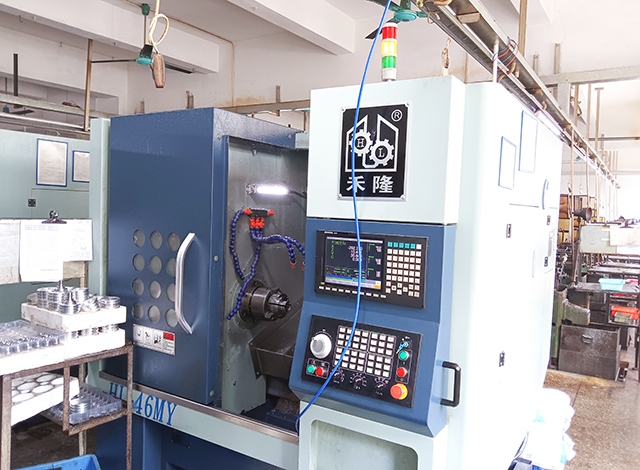
Operating a CNC machining center involves several steps. Here is a simple guide. Follow these steps for safe and effective use.
Step 1: Safety Check
First, inspect the machine. Make sure it is clean and in good condition. Wear protective gear. This includes gloves and goggles. Check for any loose parts.
Step 2: Material Setup
Next, secure the workpiece. Use clamps or chucks to hold it firmly. Ensure it is aligned correctly. This prevents movement during operation.
Step 3: Tool Selection
Then, choose the right tools. Refer to the job requirements. Install the tools in the machine. Make sure they are tight and secure.
Step 4: Program Input
After that, load the CNC program. This can be from a computer or manual input. Verify the code for errors. Test the program in simulation mode if possible.
Step 5: Machine Calibration
Now, calibrate the machine. Set the zero point for the tools and workpiece. Adjust the speed and feed rates. This ensures accurate cutting.
Step 6: Start Operation
Then, start the machine. Monitor the process closely. Look for any unusual sounds or vibrations. Make adjustments if needed.
Step 7: Finish and Cleanup
Finally, stop the machine when done. Remove the finished part. Clean the tools and machine. Store everything properly for next use.
6. Frequently Asked Questions
Q: What is the best tool for hard materials like steel?
A: For hard materials, carbide tools are often best. They are strong and resist wear. Also, use coolants to reduce heat.
Q: How often should I replace CNC turning tools?
A: It depends on usage. Generally, check tools after each job. Replace them if you see signs of wear, like dull edges. Regular maintenance helps extend tool life.
Q: Can I use the same tool for different operations?
A: Sometimes, but it is not ideal. Each tool is designed for specific tasks. Using the wrong tool can cause damage. Always match the tool to the operation.
Q: What is the difference between roughing and finishing tools?
A: Roughing tools remove material quickly. They are strong but leave a rough surface. Finishing tools cut slowly for a smooth finish. They are more precise.
Q: How do I improve tool life?
A: Keep tools clean and sharp. Use the correct speeds and feeds. Avoid overloading the tool. Also, store tools in a dry place.
Q: Is training necessary for CNC operators?
A: Yes, training is very important. It ensures safety and quality. Operators should learn about different tools and machines. This reduces errors and increases productivity.
Q: What are common errors in tool selection?
A: Common errors include using the wrong tool for the material. Also, ignoring tool wear. Another error is not considering the cutting parameters. Always plan ahead.
This blog covers the basics of tool types in CNC turning. Use this information to make better decisions in your hardware projects. Remember, practice and knowledge lead to better results.、
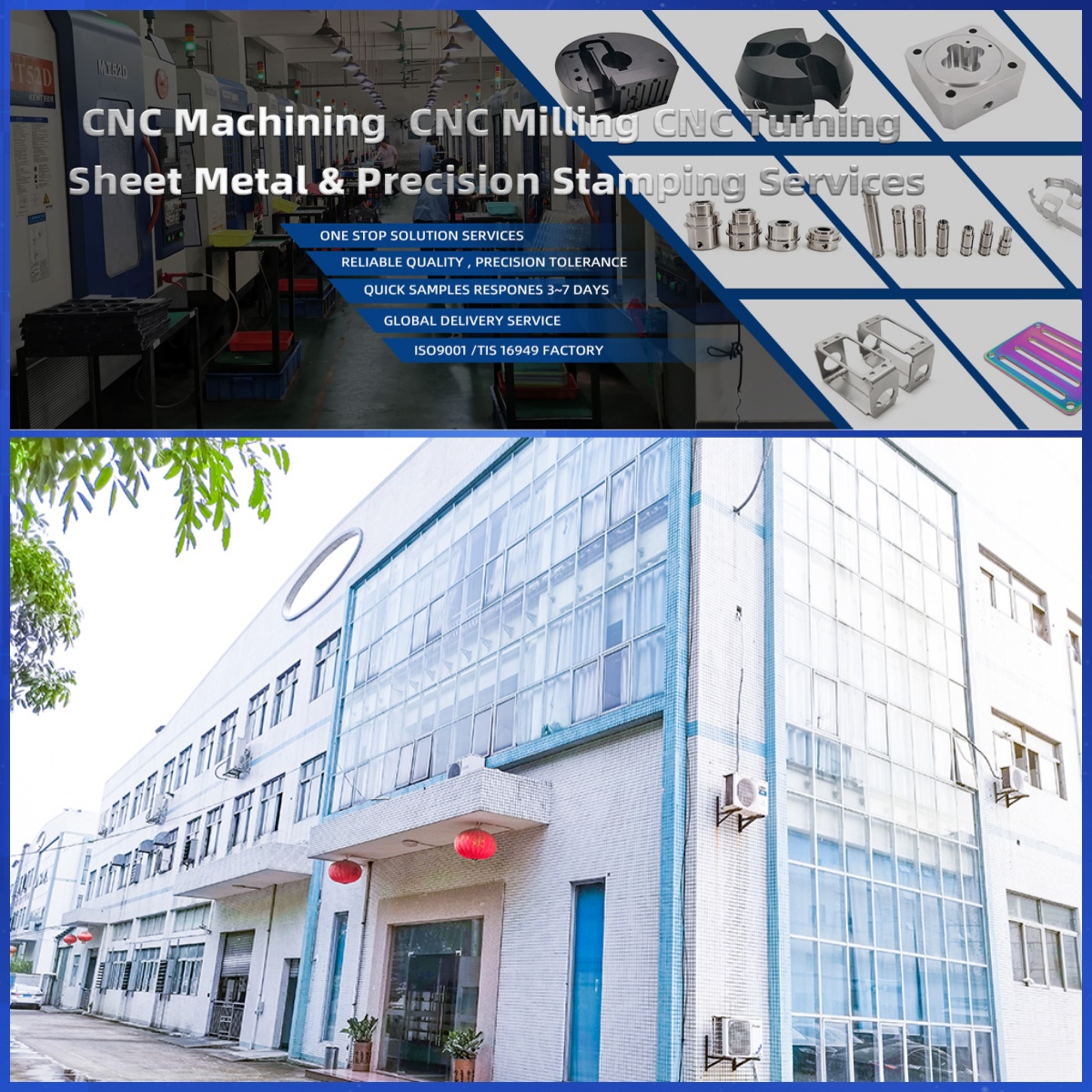
DongGuan YiTai Electronic Technologies Co.,Ltd
DongGuan YiTai Electronic Technologies Co.,Ltd is a manufacturing service provider located in Dongguan, China.
YiTai specialized in CNC turning machining and sheet metal fabrication mainly. As a member of Hung Mou Group, we focus on the overseas marketing development. And based on our parent company’s manufacturing capability and resources, YiTai also expended machining services such as die casting, injection molding, aluminum profile extrusion, 3D printing, which are committed to providing customers with one-stop purchasing services and experience.
CNC MACHINING , CNC MILLING , CNC TURNING , SHEETMETAL , FASTENER , OTHERS




Wire EDM for Stainless Steel Sheets: Process, Properties, Uses & Our Advantages
Does Zinc Alloy Tarnish? Key Facts for the Hardware Industry
Related Article