Swiss Turning vs Traditional CNC Turning: Which Process Is Right for Your Precision Parts?

1. What Are Swiss Turning and Traditional CNC Turning?
Both processes make turned parts — round, cylindrical components machined from bar stock. But the way they hold the material and cut it is fundamentally different. This difference affects accuracy, speed, part size, and cost. Choosing the wrong process means higher cost, longer lead time, or parts that do not meet spec.
1.1 How Swiss Turning Works: The Guide Bushing Advantage
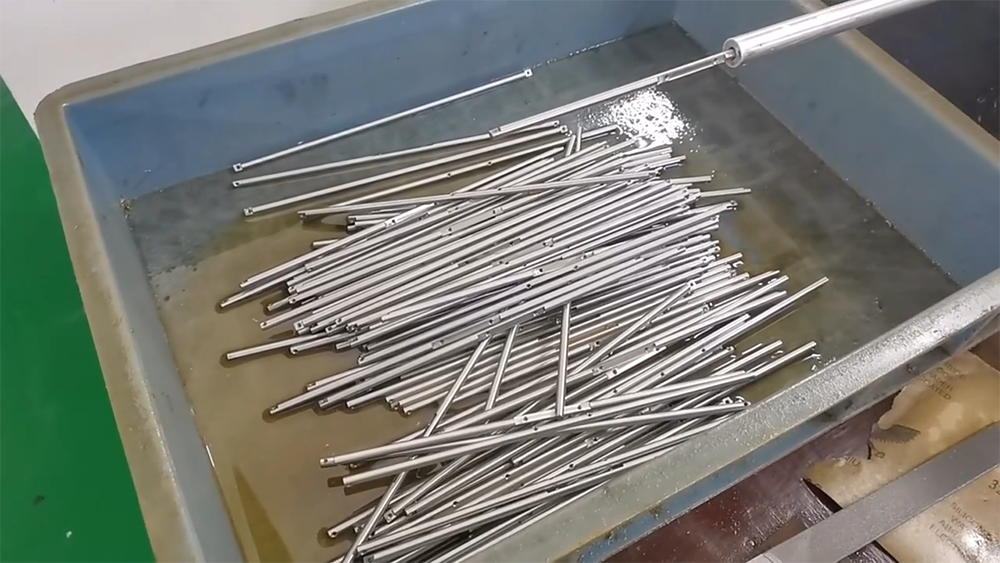
Swiss turning (also called Swiss-type turning or Swiss screw machining) was invented in Switzerland in the 1800s to make small precision parts for watches. The key feature is the guide bushing.
Here is how it works:
The result? You can turn parts with length-to-diameter ratios of 10:1 or even 20:1 without deflection. On a traditional lathe, a part that long and thin would bend away from the tool and produce a tapered or wavy surface.
1.2 How Traditional CNC Turning Works
Traditional CNC turning uses a chuck to grip the bar stock. The chuck holds one end of the bar. The tool cuts the other end. The bar spins. The tool feeds into it.
This works well for short, rigid parts. The chuck grips the bar firmly. The tool cuts features — diameters, threads, grooves, chamfers. A tailstock can support the free end for longer parts, but there are limits.
The problem starts when the part is long and thin. The cutting force pushes the bar sideways. The bar bends — like a fishing rod. The tool cuts less material in the middle. The part comes out tapered, not straight. This is called deflection. It is the enemy of precision.
| Feature | Swiss Turning | Traditional CNC Turning |
|---|---|---|
| Workpiece support | Guide bushing — 1–3 mm from tool | Chuck — at one end only |
| Bar feed motion | Bar slides through bushing (Z axis) | Bar is clamped, does not slide |
| Max length-to-diameter ratio | Up to 20:1 without deflection | 3:1 to 5:1 (longer needs tailstock) |
| Typical part diameter | 1–32 mm | 5–250 mm |
| Tolerance (diameter) | ±0.005 mm | ±0.01 mm |
| Surface finish (Ra) | 0.2–0.8 μm | 0.4–1.6 μm |
| Cycle time (small parts) | Fast — 5–30 seconds per part | 30–120 seconds per part |
| Bar feeder | Standard — runs unattended for hours | Optional — manual loading common |
| Machine cost | $150k–$400k | $50k–$150k |
| Setup complexity | High — needs bushing sized to bar | Lower — just set chuck jaws |
2. Swiss Turning vs Traditional CNC Turning: Head-to-Head
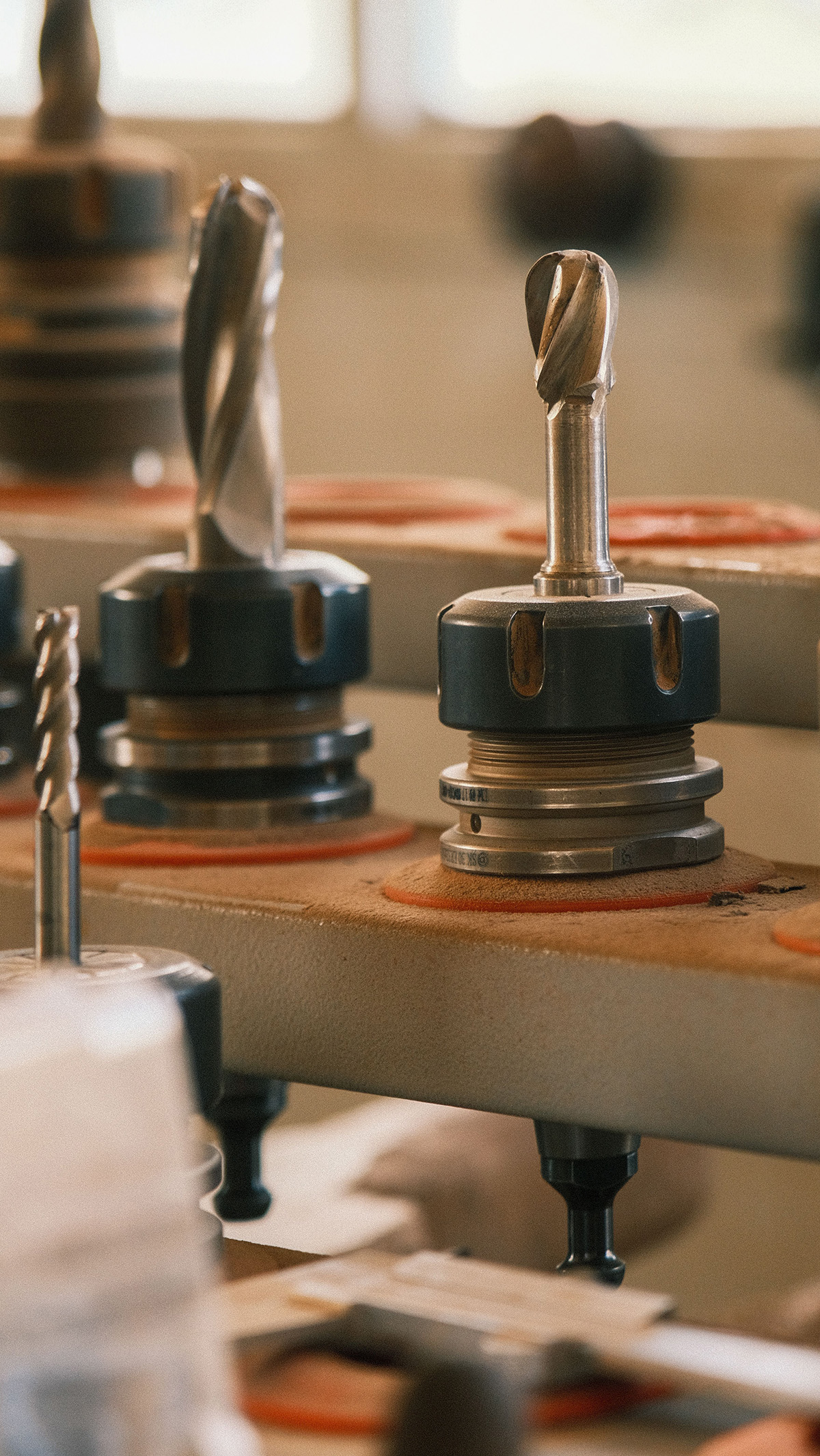
2.1 The Full Comparison Table
| Factor | Swiss Turning | Traditional CNC Turning |
|---|---|---|
| Best part size | Ø1–32 mm, any length | Ø5–250 mm, short to medium |
| Best part shape | Long, thin, complex micro-features | Short, rigid, larger diameters |
| Accuracy | ±0.005 mm | ±0.01 mm |
| Surface finish | Ra 0.2 μm achievable | Ra 0.4 μm typical |
| Back working (opposite end) | Yes — sub-spindle, done in one cycle | Needs second operation or second machine |
| Cross milling / drilling | Yes — live tooling standard | Available but less common |
| Volume sweet spot | 1,000–1,000,000 pcs/year | 50–50,000 pcs/year |
| Unattended runtime | Hours (long bar feeder) | Minutes (short bars or single pieces) |
| Cost per part (10k pcs, small) | $0.20–$1.50 | $0.80–$3.00 |
| Cost per part (1k pcs, large) | Not suitable | $2.00–$10.00 |
| Material waste | Higher (bushing remnant: 50–200 mm) | Lower (chuck remnant: 20–50 mm) |
2.2 When to Choose Each Process
- Part diameter is under 20 mm
- Length-to-diameter ratio is over 4:1
- You need ±0.005 mm tolerance or better
- Part has features on both ends (needs sub-spindle)
- Part has cross holes, flats, or milled slots (needs live tooling)
- Volume is over 1,000 pieces per year
- Part is for medical, aerospace, or electronics (micro-precision)
- Part diameter is over 20 mm
- Part is short and rigid (L/D ratio under 3:1)
- Tolerance of ±0.01 mm is acceptable
- Part is large or heavy (over 1 kg)
- Volume is under 1,000 pieces (setup cost matters)
- You need large bore or heavy stock removal
- Part is a flange, pulley, coupling, or housing
"The #1 mistake I see in part design is specifying Swiss turning for parts that are too large. Swiss machines max out at about 32 mm diameter. If your part is 40 mm, do not redesign it for Swiss — use a traditional lathe. The cost difference between the two processes at that size is 3x or more in favor of traditional."
— Andreas Frei, Applications Engineering Manager, Tornos Technologies
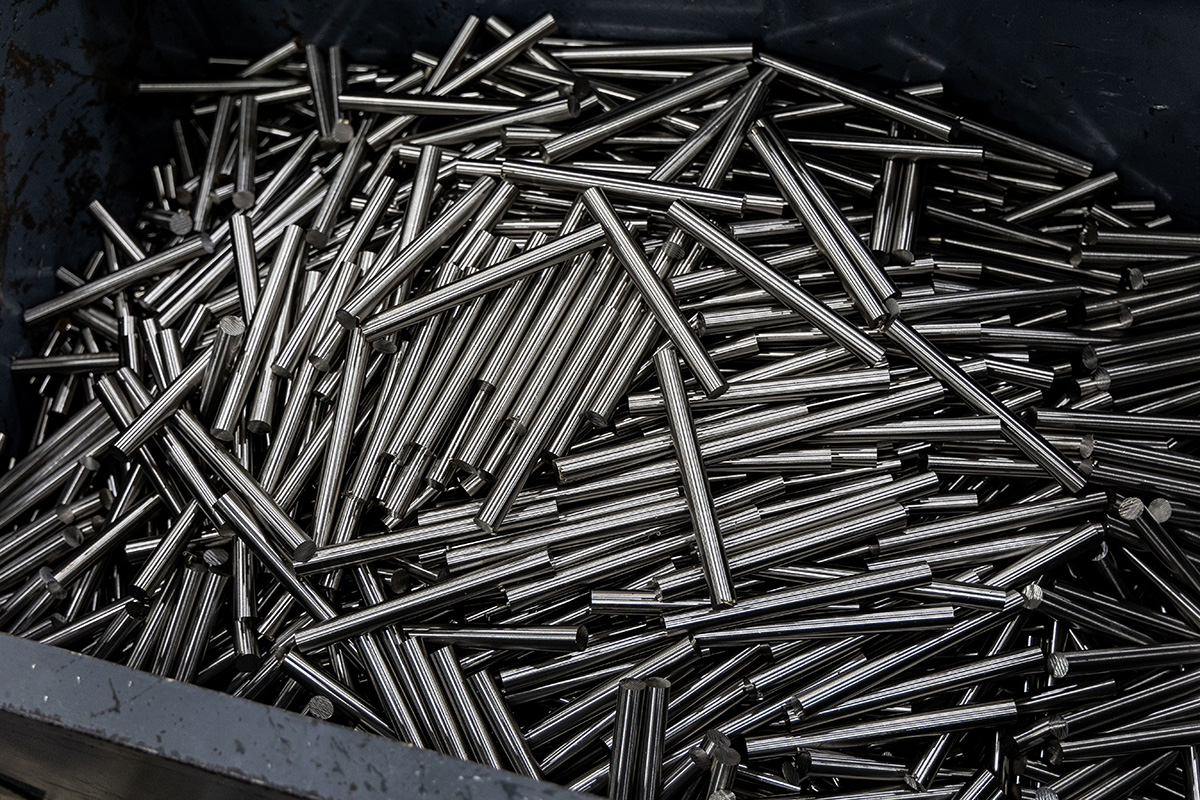
3. Applications: Where Each Process Excels
| Industry | Swiss Turning Parts | Traditional Turning Parts |
|---|---|---|
| Medical | Bone screws, dental implants, guide wires, surgical pins | Implant trays, instrument handles, housing caps |
| Electronics | Connector pins, sensor housings, miniature shafts | Heat sinks, enclosures, terminal blocks |
| Automotive | Fuel injector nozzles, sensor probes, valve stems | Pulleys, hubs, bushings, flanges |
| Aerospace | Fasteners, pins, linkage shafts, fittings | Landing gear bushings, hydraulic fittings, couplings |
| Watchmaking | Watch hands, crowns, stems, gear pivots | Watch case bodies, bezels |
| Industrial | Spray nozzles, valve spools, metering pins | Shaft couplings, bearing housings, pump impellers |
The pattern is clear. Swiss turning owns the micro-precision, high-volume, small-diameter space. Traditional turning owns the larger, lower-volume, general-purpose space. They are not competitors — they are complementary processes. A good machine shop has both.
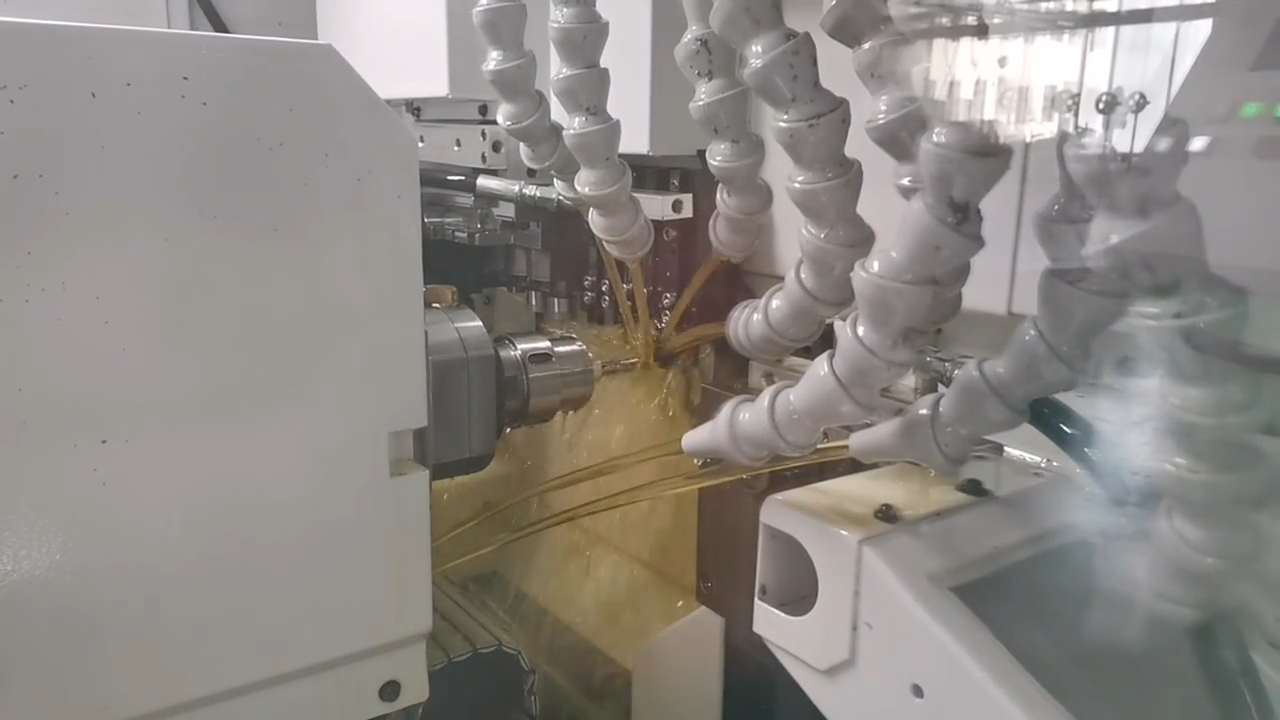
"Swiss and traditional turning solve different problems. A shop that only has one is forcing every part to fit that process. The best shops have both — and they route parts to the right machine based on geometry, not based on what machine happens to be free."
— Dr. Masahiko Sato, Manufacturing Systems Researcher, Tokyo Metropolitan University
4. CNC Machining Capabilities at DongGuan YiTai
Swiss Precision and Traditional Power — Both Under One Roof
At DongGuan YiTai Electronic Technologies, we operate both Swiss-type CNC lathes and traditional CNC turning centers. This means we route your part to the right machine — not the only machine we have. We also do CNC milling, surface finishing, and assembly in the same facility.
Our CNC turning capabilities:
- Swiss-type CNC lathes: Ø1–20 mm bar, sub-spindle, live tooling, ±0.005 mm tolerance
- Traditional CNC turning centers: Ø5–65 mm bar, chuck Ø250 mm, ±0.01 mm tolerance
- 3-axis and 4-axis CNC milling centers (work envelope: 600 × 400 × 500 mm)
- Live tooling on both Swiss and traditional lathes — cross drilling, milling, tapping in one setup
- Sub-spindle back working — both ends machined in one cycle
- Bar feeders: 3-meter capacity for unattended production runs
- Materials: Aluminum, brass, copper, steel, stainless (303/304/316/17-4PH), titanium, Inconel, plastics (Delrin, PEEK)
- Surface finishing: Anodizing, passivation, electropolish, black oxide, powder coating, plating
- Inspection: CMM (Zeiss), vision measurement, surface roughness tester, thread gauges
- Batch size: 1 piece (prototype) to 100,000 pieces (production)
- Lead time: 5–7 days (prototype), 2–3 weeks (production)
What makes us different:
- We have both Swiss and traditional lathes — your part goes to the right machine, not the only machine.
- We do turning, milling, and finishing in one facility — no outsourcing between shops.
- We review every design for manufacturability (DFM) — we tell you if Swiss or traditional is better before quoting.
- We provide first-article inspection reports (CMM data) with every new part.
Need Precision Turned Parts? Get a Quote in 24 Hours.
Send us your drawing. We will review it, recommend Swiss or traditional turning based on your part geometry, and send a quote within 24 hours. No minimum order on prototypes.
Request Your Turning Quote5. Frequently Asked Questions
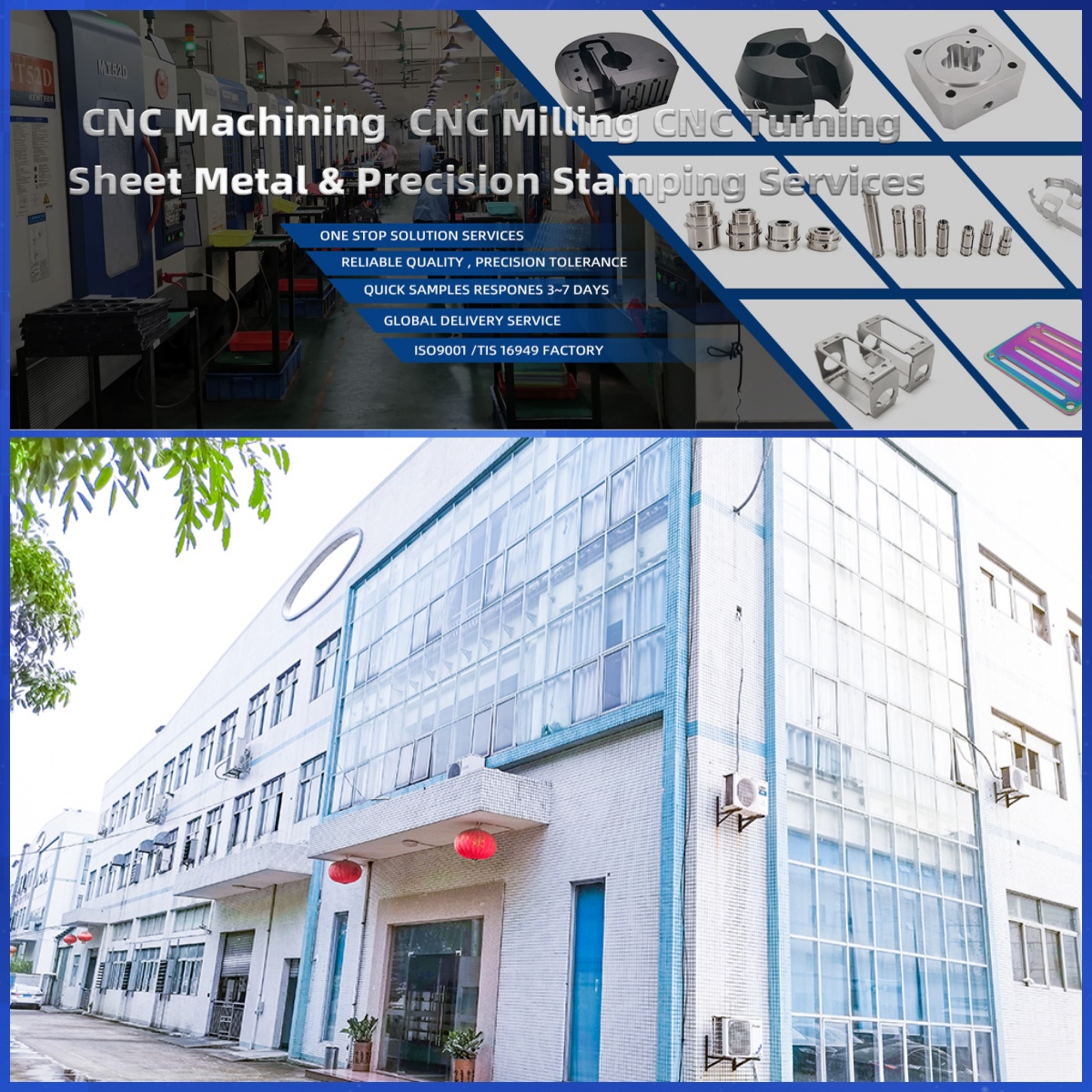
DongGuan YiTai Electronic Technologies Co.,Ltd
DongGuan YiTai Electronic Technologies Co.,Ltd is a manufacturing service provider located in Dongguan, China.
YiTai specialized in CNC turning machining and sheet metal fabrication mainly. As a member of Hung Mou Group, we focus on the overseas marketing development. And based on our parent company’s manufacturing capability and resources, YiTai also expended machining services such as die casting, injection molding, aluminum profile extrusion, 3D printing, which are committed to providing customers with one-stop purchasing services and experience.
CNC MACHINING , CNC MILLING , CNC TURNING , SHEETMETAL , FASTENER , OTHERS




Thread Rolling Services: The Complete Guide to Stronger, Faster, and More Cost-Effective Threads
What Is Milling? A Complete Guide to the CNC Machining Process, Operations, and Capabilities
Related Article