Top 5 Advantages of Swiss Screw Machining You Must Know

A conventional lathe holds the bar stock in a chuck, where the cutting tool applies force directly against the material. When machining long, slender parts, the bar tends to deflect, which leads to dimensional inaccuracies.
The Swiss-type lathe solves this problem perfectly. It utilizes a guide bushing. The bar stock feeds through the bushing, and the cutting tool operates right next to it. This support effectively prevents the bar from deflecting, resulting in parts with extremely high precision.
Table of Contents
1. Advantage 1: Very High Accuracy and Consistency
The main benefit of Swiss machining is precision. The guide bushing supports the bar right next to the tool. The bar cannot push away. The tool cannot bend it.
Guide Bushing Stops Bending and Deflection
On a standard lathe, the tool pushes against the bar. The bar acts like a long spring. It bends away from the tool. This changes the diameter. On a Swiss lathe, the bushing holds the bar tight. The tool cuts at the bushing exit. No bending. No deflection.

Typical Tolerances
Swiss machining holds tight tolerances.
-
Standard: ±0.005mm
-
High precision: ±0.0025mm or better
This is much tighter than a standard CNC lathe. Standard lathes hold ±0.01mm to ±0.02mm.
Batch Consistency (CPK ≥ 1.33)
Good Swiss shops track CPK values. CPK measures how stable the process is. A CPK of 1.33 means 99.99% of parts are within tolerance. For medical and aerospace parts, this is a must. Swiss machining delivers this consistency.
2. Advantage 2: Complex Parts in One Setup – No Secondary Ops
A Swiss lathe is not just a lathe. It is a small machining center. It has live tooling. It has a back spindle.
Multiple Operations in One Machine
The machine can do all these in one cycle.
-
Turning (outside diameters)
-
Milling (flats, slots, hexagons)
-
Drilling (cross holes, axial holes)
-
Tapping (threads)
-
Knurling
-
Gear hobbing (small gears)
Back Spindle for Second Side Work
The part can move to a back spindle. The back spindle grabs the part. Then the main spindle lets go. The machine works on the back side. This means you get a finished part from the machine. No second machine. No second setup.
No Lost Accuracy or Shipping Cost
Every time you move a part to another machine, you lose accuracy. The new setup is never perfect. You also pay for handling and shipping. Swiss machining does it all in one place. This saves time and money.
3. Advantage 3: Excellent for Long, Thin Shafts
Long, thin parts are hard to make on a regular lathe. The bar bends. The tool chatters. Swiss machining handles these parts easily.
Length-to-Diameter Ratio Up to 30:1
A regular lathe can hold a ratio of about 3:1 or 4:1 without a steady rest. A Swiss lathe can go to 30:1 or higher.
-
Example: A 3mm diameter bar can be 90mm long. No support needed.
No Need for Steady Rests
On a standard lathe, you add a steady rest for long parts. The steady rest adds setup time. It can also mark the surface. Swiss machining needs no steady rest. The guide bushing is the support.
Perfect Parts for Medical and Hydraulics
This capability is perfect for certain parts.
-
Medical guide wires
-
Bone screws (long and thin)
-
Thin valve spools
-
Fuel injector needles
4. Advantage 4: High Efficiency and Low Cost for Large Batches
Swiss machining is fast for high volumes. The machine does many things at once.
Multiple Tools Working Together
A Swiss lathe has multiple tool posts. They can work at the same time. While the main tool turns the diameter, a cross tool can drill a hole. This reduces cycle time.
Bar Feeder for Unattended Running
The machine connects to an automatic bar feeder. The feeder pushes a new bar when the old one is done. The machine runs overnight. It runs through lunch. One operator can run several machines. This lowers the cost per part.
Lower Per-Part Cost Than Traditional Methods
For large batches (1,000+ parts), Swiss machining is often cheaper than a standard lathe plus secondary machines. The table below shows a cost comparison for a typical small part.
| Method | Setup Time | Cycle Time | Secondary Ops | Cost per Part (10,000 pcs) |
|---|---|---|---|---|
| Standard CNC Lathe + Mill | 2 hours | 90 seconds | Yes (move part) | $0.85 |
| Swiss Screw Machine | 3 hours | 45 seconds | No | $0.52 |
The Swiss part costs less because it is faster and needs no extra steps.
5. Advantage 5: Excellent Surface Finish
A smooth surface is important for many parts. It reduces friction. It looks better. It also helps with sealing.
Stable Cutting Without Vibration
The guide bushing stops chatter. The cut is steady. This gives a smooth finish. No vibration marks.
Typical Surface Finish
Swiss machining can achieve Ra 0.2–0.4μm. This is very smooth. For comparison, a standard lathe gives Ra 0.8–1.6μm.

Less or No Polishing
For many parts, the as-machined finish is good enough. You do not need to polish. This saves time. It saves money. For medical implants and hydraulic spools, this is a big benefit.
6. Which Industries Benefit from These Advantages?
Many industries use Swiss machining for critical parts.
| Industry | Typical Parts | Why Swiss? |
|---|---|---|
| Medical | Bone screws, drill bits, guide wires, surgical tools | High accuracy, smooth finish, long thin parts |
| Aerospace | Connectors, sensor housings, small fittings | Tight tolerances, complex geometry, high reliability |
| Automotive | Fuel injector nozzles, valve spools, sensor pins | High volume, consistent quality, low per-part cost |
| Electronics | Connector pins, battery contacts, heat sinks | Small sizes, high volume, good surface finish |
7. Expert Insight: Why Swiss is Not for Every Part
*“Swiss machining is powerful, but it is not always the answer. The machine setup takes longer. The tooling costs more. For simple parts or very small batches, a standard CNC lathe is better. But once you need high volume, tight tolerances, or long thin shapes, Swiss wins. I tell clients: if your part fits in a 32mm bar and you need 1,000+ pieces, ask for a Swiss quote. You will be surprised at the savings.”*
— Senior Applications Engineer, DongGuan YiTai Electronic Technologies
Our Swiss Machine Capacity at DongGuan YiTai Electronic Technologies
At 'DongGuan YiTai Electronic Technologies' , we run a fleet of Swiss-type lathes. Our machines handle bar diameters from 0.5mm to 32mm. We have live tooling and back spindles on all machines. We run automatic bar feeders for overnight production.
We make parts for medical, automotive, and electronics clients. We hold tolerances down to ±0.0025mm. We provide full inspection reports with every order.
Send us your drawing. Tell us the volume. We will give you a Swiss machining quote and a DFM review.
8. Frequently Asked Questions (FAQ)
Q: What is the difference between a Swiss lathe and a standard CNC lathe?
A: A Swiss lathe has a guide bushing. The bar slides through it. The tool cuts right next to the bushing. This supports the bar and stops bending. A standard CNC lathe holds the bar in a chuck. The tool pushes against unsupported bar. For long parts, the bar bends.
Q: What is the maximum diameter for Swiss machining?
A: Most Swiss lathes take bars up to 32mm diameter. Some larger machines go to 38mm or 42mm. For larger diameters, a standard lathe is better.
Q: Is Swiss machining more expensive than standard turning?
A: For small batches (under 500 parts), yes. The setup takes longer. For large batches (1,000+ parts), Swiss machining is often cheaper because it is faster and needs no secondary operations.
Q: Can Swiss machines cut hexagonal or square shapes?
A: Yes. With live tooling, we can mill flats, hexagons, squares, and other shapes. The part does not need to be round. The machine holds the bar and mills the shape.
Q: What surface finish can I expect from Swiss machining?
A: Typical finish is Ra 0.4μm. With optimized parameters, we can get down to Ra 0.2μm. This is often good enough for sealing surfaces and bearing fits.
Q: Does DongGuan YiTai Electronic Technologies offer Swiss machining for medical parts?
A: Yes. We make bone screws, surgical drivers, and instrument parts. We use medical-grade materials (316L stainless, Ti-6Al-4V). We provide full traceability and inspection reports.
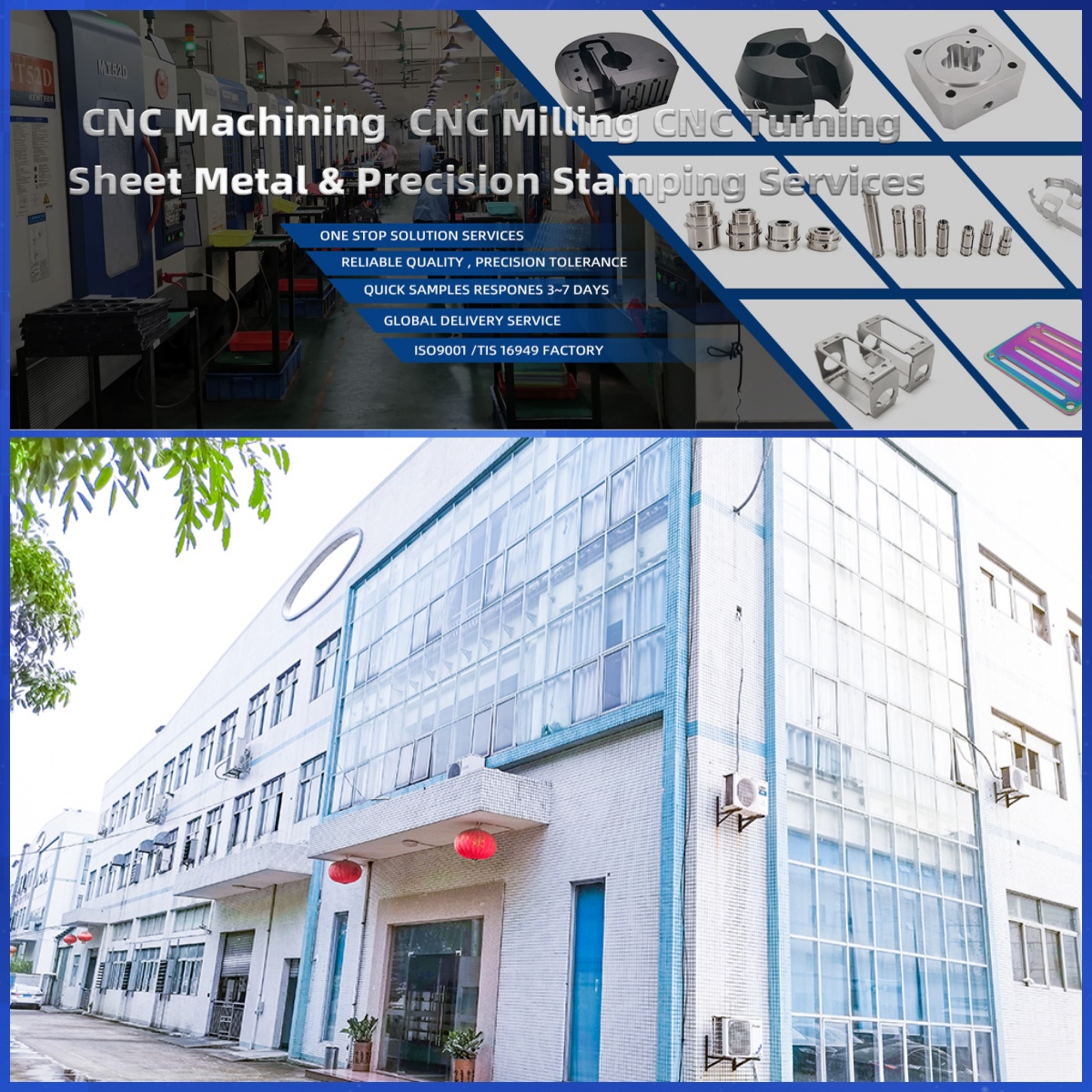
DongGuan YiTai Electronic Technologies Co.,Ltd
DongGuan YiTai Electronic Technologies Co.,Ltd is a manufacturing service provider located in Dongguan, China.
YiTai specialized in CNC turning machining and sheet metal fabrication mainly. As a member of Hung Mou Group, we focus on the overseas marketing development. And based on our parent company’s manufacturing capability and resources, YiTai also expended machining services such as die casting, injection molding, aluminum profile extrusion, 3D printing, which are committed to providing customers with one-stop purchasing services and experience.
CNC MACHINING , CNC MILLING , CNC TURNING , SHEETMETAL , FASTENER , OTHERS




What Is the Melting Point of Lead? Complete Guide for Engineers and CNC Professionals
Complete Anatomy of a Micrometer: All Its Parts and Why It Matters for Making High-Quality CNC Parts
Related Article