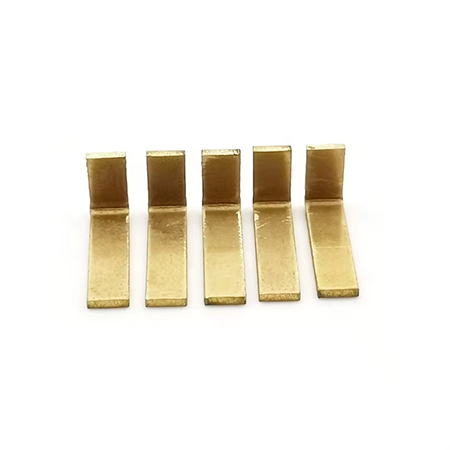
Sustainable = Cheaper? Uncovering How Green CNC Machining Cuts Your Project Costs Through Waste Reduction, Lower Energy, and Material Recycling
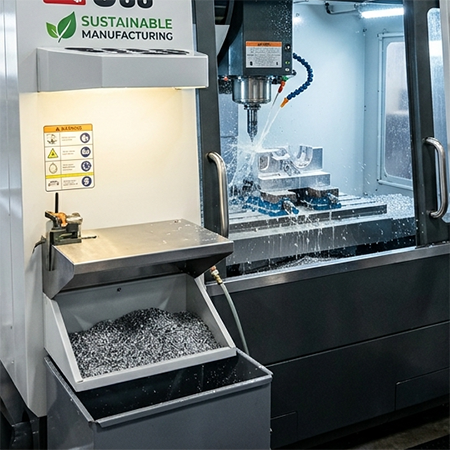
Sustainable CNC machining saves money. Many factory owners still think "green" means "expensive." The data says the opposite. When you cut waste, recover chips, and use energy-smart machines, your total cost per part goes down — and your profit goes up.
This article shows you the numbers. No marketing talk. No big words. Just real cost data and simple math.
1. Direct Cost Savings You Can See
Direct savings hit your bottom line fast. You see them on the next invoice. No waiting. No guessing. Here are three areas where green CNC machining puts money back in your pocket right away.
1.1 Lower Scrap Rate: Material and Labor Savings from First-Pass Yield
First-pass yield (FPY) is the percentage of parts that come out right on the first try. No rework. No scrap. A traditional shop runs 88-92% FPY. A sustainable shop using optimized toolpaths, well-maintained machines, and real-time process monitoring hits 96-98% FPY.
What a 6% FPY Gain Looks Like
Say you make 10,000 aluminum parts per month. At 92% FPY, you scrap 800 parts. At 98% FPY, you scrap only 200. That is 600 fewer scrapped parts per month.
Cost Breakdown Per Scrapped Part
| Cost Item | Per Scrapped Part |
|---|---|
| Raw material (aluminum) | $2.80 |
| Machine time (wasted) | $1.50 |
| Labor (wasted) | $0.90 |
| Inspection (wasted) | $0.40 |
| Total loss per scrapped part | $5.60 |
600 fewer scrapped parts × $5.60 = $3,360 saved per month. That is over $40,000 per year — from one production line.

High-precision CNC machining delivers higher first-pass yield and less waste.
"Most shops think a 5% scrap rate is normal. It is not. The best shops run at 2% or below. The key is process control — measure, adjust, repeat. Sustainability and precision go hand in hand."
— Dr. James Hartford, Manufacturing Efficiency Researcher, MIT Industrial Performance Center
1.2 The Economics of Chip Recycling: Recovery Value and Buy-Back for Aluminum and Stainless Steel
CNC machining makes chips. Lots of chips. A mid-size shop can produce 2 to 5 tons of metal chips per month. If you throw them in the trash, you lose money twice — first, the disposal fee; second, the scrap value you did not collect.
Sustainable shops send clean, sorted chips to recycling partners. These partners pay for the metal. Some even offer a buy-back discount on new raw material when you supply clean chips.
Recycling Value Comparison
| Material | Chip Value (per ton) | Monthly Volume | Monthly Recovery |
|---|---|---|---|
| 6061 Aluminum (clean chips) | $1,100 - $1,400 | 3 tons | $3,300 - $4,200 |
| 7075 Aluminum (clean chips) | $1,300 - $1,600 | 2 tons | $2,600 - $3,200 |
| 304 Stainless Steel | $600 - $900 | 1.5 tons | $900 - $1,350 |
| 316 Stainless Steel | $900 - $1,300 | 1 ton | $900 - $1,300 |
A shop that processes both aluminum and stainless steel can recover $5,000 to $8,000 per month just from chip recycling. Plus, the buy-back discount on new material can add another 3-7% savings on raw material cost.

Sorted metal chips ready for recycling — turning waste into revenue.
1.3 Longer Tool Life: Optimized Cutting Parameters Reduce Tool Costs and Downtime
Sustainable machining is not slow machining. It is smart machining. You use the right speed, the right feed, and the right coolant amount. Not too much. Not too little. This is called optimized cutting parameters.
When you optimize, tools last longer. A carbide end mill that usually lasts 4 hours might run 6-7 hours under optimized conditions. That is a 50-75% longer tool life.
Tool Cost Comparison: Conventional vs Optimized
| Parameter | Conventional | Optimized (Sustainable) |
|---|---|---|
| Cutting speed | Set-and-forget (often too high) | Adjusted per material batch |
| Coolant flow | Always max (waste) | Minimum effective quantity |
| Tool life (carbide end mill) | ~4 hours | ~6-7 hours |
| Tools used per month (per machine) | 45-50 | 25-30 |
| Monthly tool cost | $1,800 - $2,500 | $1,000 - $1,500 |
| Annual saving per machine | — | $9,600 - $18,000 |
Also consider this: less tool changes mean less machine downtime. A tool change takes 10-15 minutes. If you save 20 tool changes per month, that is 200-300 extra minutes of cutting time. More parts. More revenue.

Optimized cutting parameters extend tool life by 50-75%.
"Extending tool life by 50% is not magic. It is physics. When you match the cutting parameters to the material, you reduce heat and friction. The tool wears out slower. Simple."
— Sarah Lindström, Senior Applications Engineer, Sandvik Coromant
2. Indirect Costs and Risk Avoidance
Indirect costs are harder to see. They do not show up as a line item on your invoice. They show up as lost orders, penalty fees, and higher insurance rates. Sustainable CNC machining stops these costs before they start.
2.1 Meeting ESG Audit Requirements from European and American Clients
More and more buyers in Europe and North America now require ESG (Environmental, Social, and Governance) compliance from their suppliers. In 2025, 64% of Fortune 500 companies added ESG clauses to their supplier contracts. In 2026, that number is still growing.
If your shop cannot pass an ESG audit, you lose the order. Simple. A single lost contract can mean $50,000 to $500,000 in missed revenue — sometimes more.
A shop with documented sustainable practices — waste tracking, energy monitoring, chemical management — passes these audits with no trouble. The audit becomes a competitive advantage, not a threat.

Sustainable factories with solar panels meet ESG audit requirements with ease.
2.2 Compliant Chemical Management Lowers Waste Fluid Disposal Costs
CNC shops use cutting fluids, coolants, and lubricants. These become hazardous waste. Disposal costs are rising. In some regions, disposal fees have gone up 20-40% since 2023 because of stricter environmental rules.
Sustainable shops reduce fluid volume at the source. They use minimum quantity lubrication (MQL) where possible. They filter and reuse coolant instead of dumping it. The result: fewer waste fluid pickups, lower disposal bills, and zero compliance fines.
Waste Fluid Cost Comparison
| Item | Traditional Shop | Sustainable Shop |
|---|---|---|
| Coolant consumption (L/month) | 400 - 600 | 150 - 250 |
| Waste fluid disposal (pickups/month) | 2 - 4 | 1 |
| Monthly disposal cost | $800 - $2,000 | $300 - $600 |
| Annual compliance risk | High (fines: $5k-$50k) | Low (near zero) |
2.3 High-Efficiency Equipment Reduces Energy Cost Per Part
Electricity prices are not going down. In many manufacturing regions, industrial electricity rates have risen 15-30% in the last three years. A CNC machine running 16 hours a day can burn through $800-$1,500 in electricity per month.
Newer, high-efficiency CNC machines use 20-35% less energy than older models. Regenerative drives capture braking energy. Smart standby modes cut idle power draw. High-efficiency spindle motors use less electricity per cut.
Energy Cost Per Part: Old vs New Machine
| Factor | 10-Year-Old Machine | High-Efficiency Machine (2025+) |
|---|---|---|
| Power draw (cutting) | 18 kW | 12 kW |
| Power draw (idle) | 6 kW | 1.5 kW |
| Energy per part (simple bracket) | 2.4 kWh | 1.6 kWh |
| Energy cost per part ($0.12/kWh) | $0.29 | $0.19 |
| Parts per month | 5,000 | 5,000 |
| Monthly energy cost | $1,450 | $950 |
| Annual energy saving | — | $6,000 |
$6,000 per machine per year. Multiply by 10 machines, and that is $60,000 in pure energy savings — every year.

High-efficiency equipment cuts energy cost per part by 20-35%.
3. Sustainable CNC vs Traditional Machining: Long-Term Value Model
Single-line cost comparison hides the real story. You need to look at total cost over time.
3.1 From "Lowest Unit Price" to "Lowest Total Cost of Ownership"
Buyers often pick the supplier with the lowest unit price. That is a mistake. Total Cost of Ownership (TCO) is the real number. TCO includes: material, labor, energy, tooling, scrap, rework, waste disposal, compliance cost, and shipping.
A supplier that charges $0.80 more per part but saves $1.20 per part in scrap, energy, and waste is actually $0.40 cheaper per part. You just cannot see it on the quote.
TCO Comparison: Traditional vs Sustainable CNC Supplier (Per 1,000 Parts)
| Cost Category | Traditional Supplier | Sustainable Supplier |
|---|---|---|
| Unit price quote | $12.50 | $13.20 |
| Scrap allowance (add-on) | $0.95 | $0.30 |
| Rework & returns | $0.60 | $0.15 |
| Waste handling surcharge | $0.35 | $0.05 |
| Compliance documentation fee | $0.25 | $0.00 |
| Shipping (lighter packaging) | $1.10 | $0.85 |
| True cost per part | $15.75 | $14.55 |
| True cost per 1,000 parts | $15,750 | $14,550 |
The cheaper quote was $1.20 more expensive per part when you count everything. Over 100,000 parts, that is a $120,000 difference. TCO thinking changes buying decisions.

Total Cost of Ownership (TCO) reveals the true cost behind the quote.
"We switched TCO tracking two years ago. Our procurement team used to pick the lowest bid. Now they pick the lowest total cost. Our landed cost dropped 8% in the first year. Not because we bought cheaper. Because we bought smarter."
— Mark Chen, VP of Global Sourcing, TenPoint Industrial Group
3.2 Customer Case: Optimized 7075 Aluminum Part — 25% Less Material Waste, Lower Overall Cost
Here is a real example. A customer needed 20,000 precision brackets in 7075 aluminum. The part was 180mm × 120mm × 15mm. Two suppliers bid on it.
Case Data: 7075 Aluminum Bracket (20,000 pcs)
| Metric | Traditional Shop | Sustainable Shop | Difference |
|---|---|---|---|
| Raw material used (kg) | 14,200 | 10,650 | -25% |
| Scrap rate | 8% | 2% | -75% |
| Chip recovery value | $0 (mixed trash) | $4,800 | +$4,800 |
| Energy consumed (kWh) | 48,000 | 32,000 | -33% |
| Tooling cost | $5,200 | $3,100 | -40% |
| Waste fluid disposal | $1,800 | $400 | -78% |
| Total project cost | $127,400 | $106,900 | -16.1% |
The sustainable approach saved this customer $20,500 on one project. The unit price was slightly higher, but the total cost was much lower. The customer gave the next three projects to the same sustainable shop.
4. DongGuan YiTai Shares Sustainable Manufacturing Data with You

DongGuan YiTai believes in transparency. We track every gram of material, every kilowatt-hour of energy, and every dollar of cost. We share this data with our customers — not because we have to, but because real data builds real trust.
Our sustainable manufacturing dashboard shows:
- Real-time energy use per machine and per part
- Monthly material waste reports with trend analysis
- Chip recycling revenue credited back to your project
- Chemical and fluid usage logs for ESG audit compliance
- Per-project carbon footprint calculation (Scope 1 and Scope 2)
We do not hide behind vague claims. We give you the numbers. You decide if they work for your budget.
What Our Customers Get
| Data Point | Frequency | Format |
|---|---|---|
| Material waste report | Monthly | PDF + Excel |
| Energy consumption audit | Quarterly | PDF summary |
| Chip recycling credit statement | Per project | Line item on invoice |
| ESG compliance document pack | Upon request | Ready-to-submit PDF |
| Carbon footprint report | Per project | Verified calculation sheet |
Our goal is simple: make sustainability something you can measure, not something you just talk about. Every dollar saved through green practices is a dollar we want you to see.
5. Frequently Asked Questions
Q: Does sustainable CNC machining cost more upfront?
The per-part quote may look 3-8% higher. The total cost is typically 10-18% lower. The difference comes from less scrap, lower energy bills, recovered chip value, and fewer compliance costs. Always compare TCO, not unit price.
Q: How do I verify a supplier's sustainability claims?
Ask for monthly waste reports, energy bills, and chip recycling receipts. A real sustainable shop has this data ready. If they only give you a one-page "green policy" with no numbers, keep looking. Check for third-party certifications like ISO 14001 or regional green manufacturing credentials.
Q: Can a small machine shop afford to go green?
Yes. You do not need to replace all your machines at once. Start with chip sorting and recycling — it costs almost nothing and pays back in 1-2 months. Next, optimize your cutting parameters to extend tool life. These small steps add up fast.
Q: What is the ROI timeline for switching to sustainable CNC practices?
Most shops see positive cash flow within 3-6 months. Chip recycling pays back in weeks. Tool life gains pay back in 2-3 months. Machine upgrades take 12-24 months but deliver the largest long-term return. The average shop breaks even on sustainability investment within 9 months.
Q: Do European and American clients really check ESG compliance?
Yes. In 2025-2026, more than 60% of mid-to-large Western buyers include ESG questions in their supplier qualification process. Some send auditors to the factory floor. Some require annual ESG reports. If you have no sustainability data, you may be removed from the approved supplier list without notice.
See the Numbers for Your Project
Contact DongGuan YiTai for a free TCO estimate. We will run your part against our sustainable manufacturing model and show you exactly where the savings come from — material, energy, tools, and waste. No guesswork. No marketing. Just math.
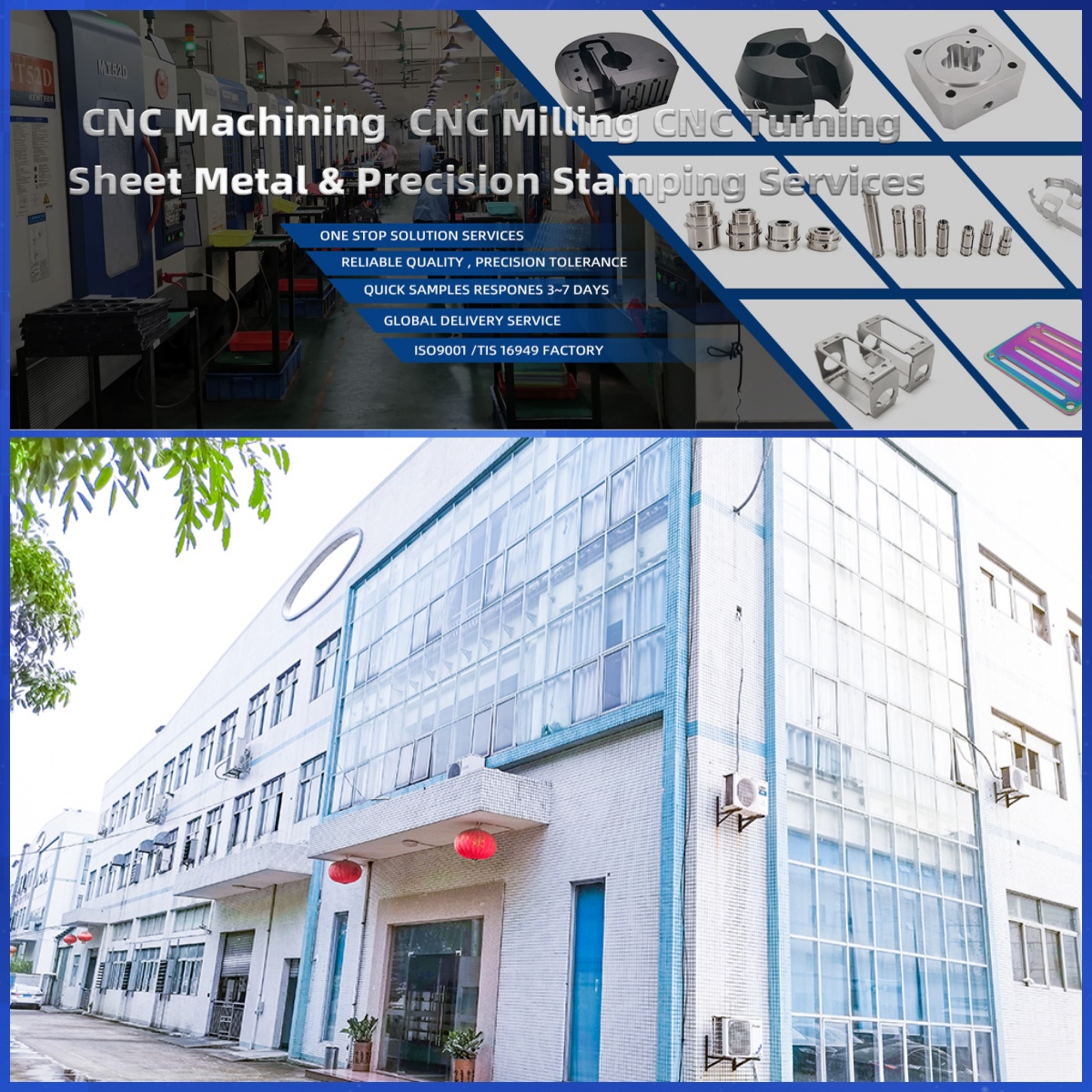
DongGuan YiTai Electronic Technologies Co.,Ltd
DongGuan YiTai Electronic Technologies Co.,Ltd is a manufacturing service provider located in Dongguan, China.
YiTai specialized in CNC turning machining and sheet metal fabrication mainly. As a member of Hung Mou Group, we focus on the overseas marketing development. And based on our parent company’s manufacturing capability and resources, YiTai also expended machining services such as die casting, injection molding, aluminum profile extrusion, 3D printing, which are committed to providing customers with one-stop purchasing services and experience.
CNC MACHINING , CNC MILLING , CNC TURNING , SHEETMETAL , FASTENER , OTHERS




Building the Precision Shell for Computing Power: The Complete Manufacturing Process of Metal Enclosures for Data Center Servers, Switches, and Power Supply Modules
When Robots Paint the Perfect White Lines at the 2026 World Cup: How Precision Racks, Shafts, and Nozzles Are Made Possible by CNC Machining
Related Article