Stretch Film Packaging
author: YITECH
2024-08-03

Stretch film packaging is a packaging material widely used in logistics, mechanical processing and other industries. It uses polyethylene and other plastics as raw materials, and is formed by high-speed extrusion and stretching. Stretch film packaging is mainly used to package items such as containers, goods and pallets to ensure that the items are not damaged or contaminated during transportation, storage and handling.
Advantages
1. Good protection: Stretch film packaging materials use high-quality polyethylene and other plastics, which can effectively protect the packaged items and reduce the risk of damage and contamination.
2. Save time and effort: In the process of using stretch film packaging, there is no need to use auxiliary materials such as adhesives and tapes, which saves extra work and time in the packaging process.
3. High tensile strength: Stretch film packaging materials are formed by high-speed stretching and have extremely high tensile strength, which ensures the stability of the packaged items.
Disadvantages
1. Not easy to tear: Stretch film packaging materials have high tensile strength, but if they need to be unsealed or torn, it will be difficult.
2. Opaque: In some occasions where the packaged items need to be observed or inspected, the opacity of stretch film packaging may cause some inconvenience.
3. Easy to shrink: After being subjected to certain temperature changes or forces, the stretch film packaging material will produce certain dimensional changes.
3. Easy to shrink: After being subjected to certain temperature changes or forces, the stretch film packaging material will produce certain dimensional changes.
Flange basic introduction-phase 6
SGS Report
Related Article
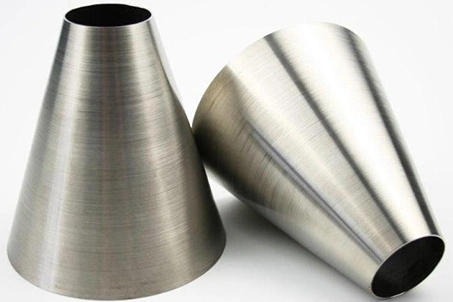
Learn how metal spinning forms rotationally symmetric parts, compare process options, and review materials, applications, cost factors, and RFQ requirements.
Metal Spinning: How the Process Works and When to Use It
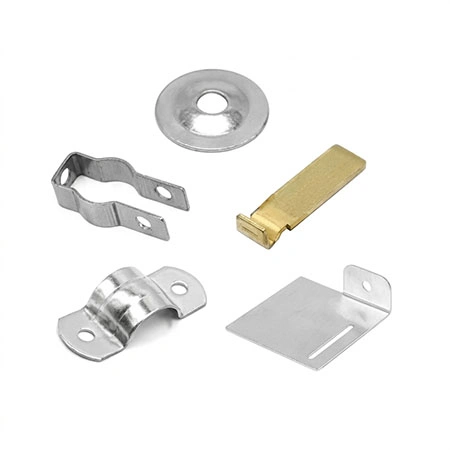
Explore precision metal fabrication processes, tolerance control, inspection, cost factors, and what to include in a custom-part RFQ.
Precision Metal Fabrication: From Drawing Review to Inspection