6 Key Design (DFM) Strategies to Lower Your Aluminum Stamping Costs
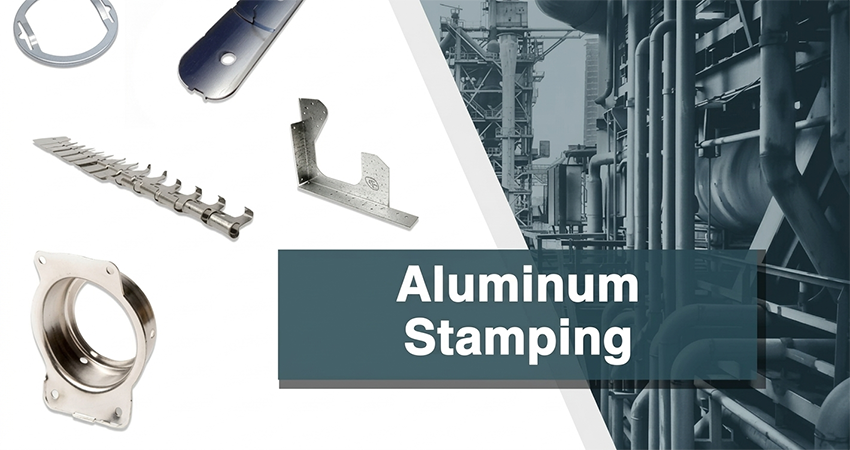
materials cost money, and every step in the process adds to the expense.
This guide presents six design strategies. These strategies help maintain the part's strength while assisting you in reducing costs. We will apply Design for Manufacturing (DFM) principles—rules derived directly from practical experience on the stamping shop floor.
1. Understanding Aluminum Stamping Costs
Before we fix the design, we need to know where the money goes. Four things drive the cost.(Click our vlog to dive deeper into the world of stamping)
| Cost Driver | Why It Matters |
|---|---|
| Tooling Cost | The stamping die. This is a one-time cost. Complex dies cost more. |
| Material Cost | The aluminum sheet. Thicker or special alloys cost more. |
| Production Cost | Machine time per part. More steps mean more cost. |
| Post-Processing | Deburring, machining, plating. These add time and money. |
Good design lowers all four. Let us see how.
2. Strategy 1: Optimize Material Choice and Thickness
Aluminum comes in many grades and thicknesses. Picking the right one saves money.
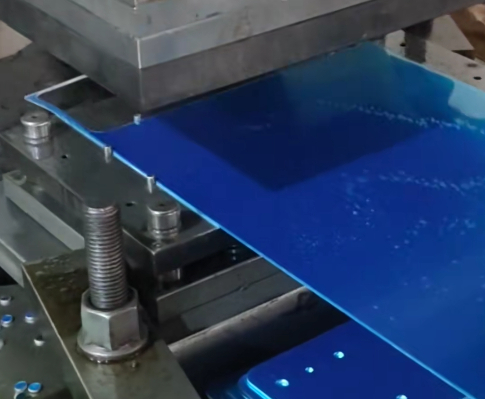

Choose Standard Thickness
Aluminum sheet comes in standard sizes. 1.0mm, 1.5mm, 2.0mm, 2.5mm, 3.0mm are common. If you pick 1.8mm, the supplier must order a special coil. It costs more. It takes longer. Stick to standard thicknesses.
Pick the Right Alloy
Do not use 7075 if 5052 does the job. 5052 is cheaper. It bends well. It is good for most stamped parts. 6061 is stronger but harder to bend. 7075 is very strong but expensive. Match the alloy to the need.
Improve Material Utilization
The way parts sit on the sheet matters. A good nesting layout uses more of the sheet. Less scrap. Lower material cost. Ask your stamper to show you the layout. A small change in part shape can save 10–15% in material.
3. Strategy 2: Simplify Geometry Features
Complex shapes need complex tools. Simple shapes cost less.
Avoid Small Inside Radii
A small inside radius needs a small punch. Small punches break. They also need more maintenance.
-
Rule: Inside radius should be at least the material thickness.
-
Example: For 2mm thick aluminum, use R2mm or larger.
Simplify Bends
Different bend radii need different tool sections. If you use the same bend radius everywhere, the tool is simpler. The setup is faster.
Reduce the Number of Operations
Each bending or forming step needs a station in the tool. More stations mean a bigger die. More cost.
-
Design tip: Put multiple features in the same plane. Use the same tool section.
4. Strategy 3: Set Tolerances the Smart Way
Tight tolerances cost money. Stamping is fast. It is not CNC milling.
Know What Is Critical
Ask one question. Does this dimension affect how the part works?
-
Critical: Holes that align with mating parts. Outer edges that fit into an assembly.
-
Non-critical: Cosmetic edges. Non-contact surfaces.
Understand Stamping Tolerances
The table below shows typical stamping precision.
| Feature | Typical Tolerance |
|---|---|
| Hole diameter | ±0.05mm to ±0.10mm |
| Hole position | ±0.10mm to ±0.25mm |
| Outer dimensions | ±0.10mm to ±0.30mm |
| Bend angle | ±0.5° to ±1.0° |
| Flatness | 0.2mm to 0.5mm per 100mm |
If you set a tolerance tighter than this, the stamper needs special tooling. It needs slower speeds. Cost goes up.
5. Strategy 4: Design the Tool Structure Wisely
The tool is the biggest upfront cost. A simple tool costs less.
Avoid Slides and Complex Mechanisms
Slides are moving parts in the tool. They allow undercuts and side actions. But each slide adds $2,000 to $5,000 to the tool cost. If you can design the part without undercuts, the tool is cheaper.
Think About Tool Life
Harder tool steel costs more upfront. But it lasts longer. For high volumes, a better tool saves money over time. For low volumes, a simpler tool is fine.
6. Strategy 5: Match Tool Type to Batch Size
The best tool type depends on how many parts you need.
| Batch Size | Best Tool Type | Why |
|---|---|---|
| 10–500 pcs | Simple Die / Punch | Low tool cost. No complex mechanisms. |
| 500–5,000 pcs | Compound Die | Does multiple operations in one press stroke. Good cost per part. |
| 5,000+ pcs | Progressive Die | High speed. Low per-part cost. Tool cost is high but spreads over many parts. |
For small batches, do not build a progressive die. The tool cost will never pay back. For large batches, a progressive die is the best way to lower unit cost.
7. Strategy 6: Integrate Secondary Operations
Many stamped parts need extra steps. Tapping. Riveting. Deburring. These steps add time. They add cost.
Add Features to the Tool
Some operations can go into the stamping tool.
-
Tapping: Add a tapping station in the progressive die.
-
Piercing and countersinking: Do them in the same hit.
-
Embossing: Add ribs for stiffness without extra steps.
Reduce CNC Work
If a stamped part needs CNC machining after stamping, the cost goes up. See if you can add the feature in the stamping tool. A coined boss can replace a machined pad. A pierced hole can replace a drilled hole.
8. Expert Insight: Small Changes, Big Savings
“I worked on a small aluminum bracket. The first design had a 1.5mm radius in the corner. That needed a tiny punch. The punch broke every 2,000 parts. We changed the radius to 2.5mm. The punch never broke again. The tool lasted for 50,000 parts. That one change saved the client $3,000 in tool maintenance. Small details matter in stamping.”
— Tooling Manager, DongGuan YiTai Electronic Technologies
Partner with Us for DFM Review
At ‘DongGuan YiTai Electronic Technologies’ , we do stamping and CNC machining. We know how to make parts both ways. We help you pick the best method.
Send us your drawing early. We do a free DFM review. We check material, geometry, tolerances, and batch size. We tell you how to make it cheaper. We tell you how to make it faster.
9. Frequently Asked Questions (FAQ)
Q: What is the difference between a compound die and a progressive die?
A: A compound die does multiple operations in one press stroke. The part is finished after one hit. A progressive die does one operation per station. The strip moves through the tool. Each station adds a feature. Progressive dies are faster for very high volume.
Q: Can I stamp aluminum as thick as steel?
A: Aluminum is softer. It needs more clearance. For thick aluminum (over 4mm), the tool design is different. But yes, we can stamp up to 6mm thick aluminum with the right tool.
Q: Why does aluminum crack when I bend it?
A: Two reasons. First, the bend radius is too small. Use a radius at least one times thickness. Second, the grain direction. Bending across the grain is safer. Bending with the grain can cause cracking.
Q: How do I know if my part is good for stamping or CNC machining?
A: Ask two questions. How many parts? For over 500 parts, stamping often wins. Is the part flat or formed? Flat parts with holes are great for stamping. Complex 3D shapes may need CNC. We help you decide.
Q: What is the cheapest way to make 100 aluminum parts?
A: For 100 parts, a simple punch and die is cheapest. Tool cost is low. If the part has bends, we use a small press brake for the bending step. This is faster and cheaper than building a full stamping tool.
Q: Can DongGuan YiTai Electronic Technologies do both stamping and CNC machining?
A: Yes. We have stamping presses and CNC machines under one roof. For parts that need both processes, we do it all. No shipping between shops. One team handles everything.
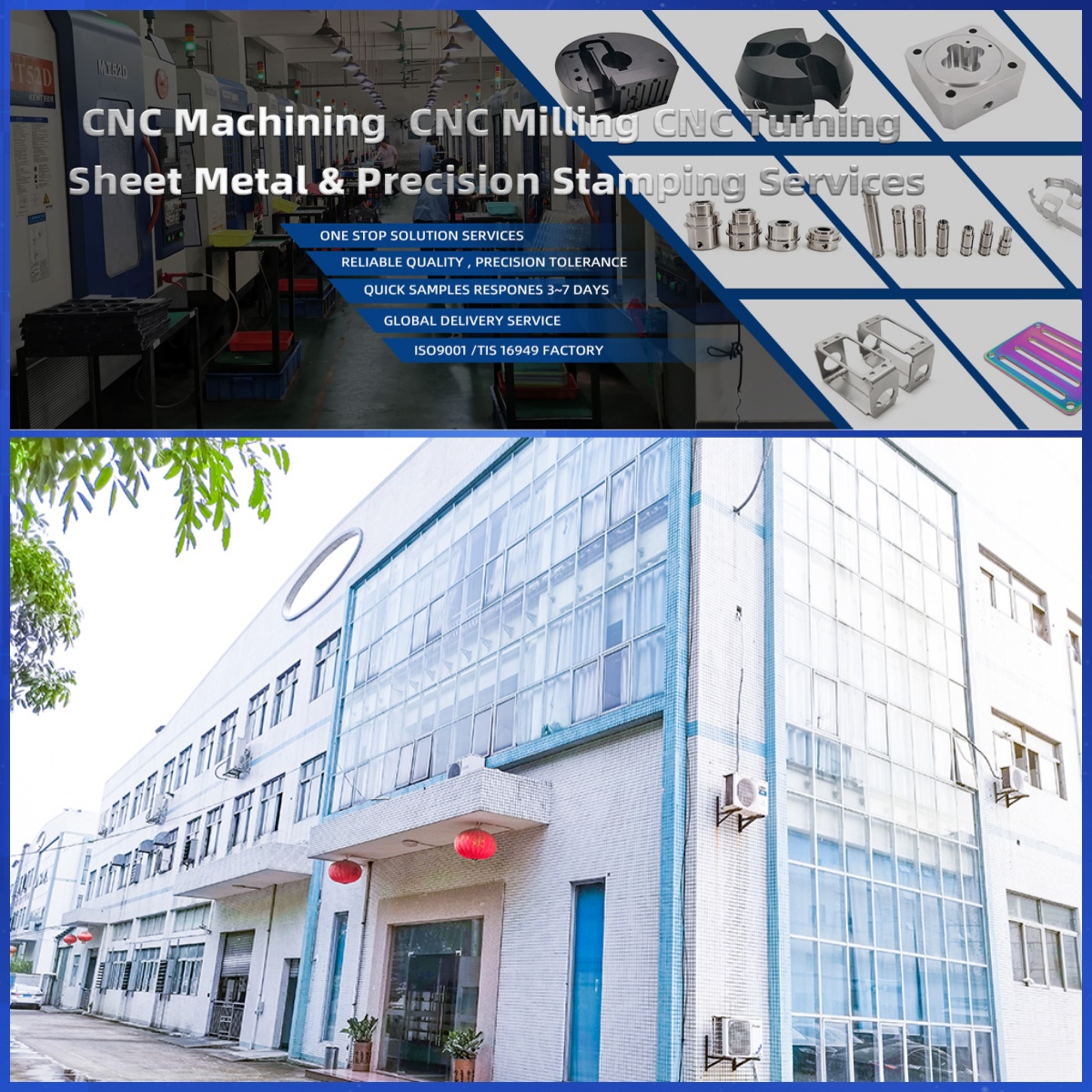
DongGuan YiTai Electronic Technologies Co.,Ltd
DongGuan YiTai Electronic Technologies Co.,Ltd is a manufacturing service provider located in Dongguan, China.
YiTai specialized in CNC turning machining and sheet metal fabrication mainly. As a member of Hung Mou Group, we focus on the overseas marketing development. And based on our parent company’s manufacturing capability and resources, YiTai also expended machining services such as die casting, injection molding, aluminum profile extrusion, 3D printing, which are committed to providing customers with one-stop purchasing services and experience.
CNC MACHINING , CNC MILLING , CNC TURNING , SHEETMETAL , FASTENER , OTHERS




Complete Guide to 11 Heat Treatment Types: Principles, Processes, and Applications for CNC Machined Parts
How to Cut Stainless Steel: 12 Best Methods Explained
Related Article