Stainless Steel Knowledge Popularization: 304 Stainless Steel
1. Introduction to Stainless Steel
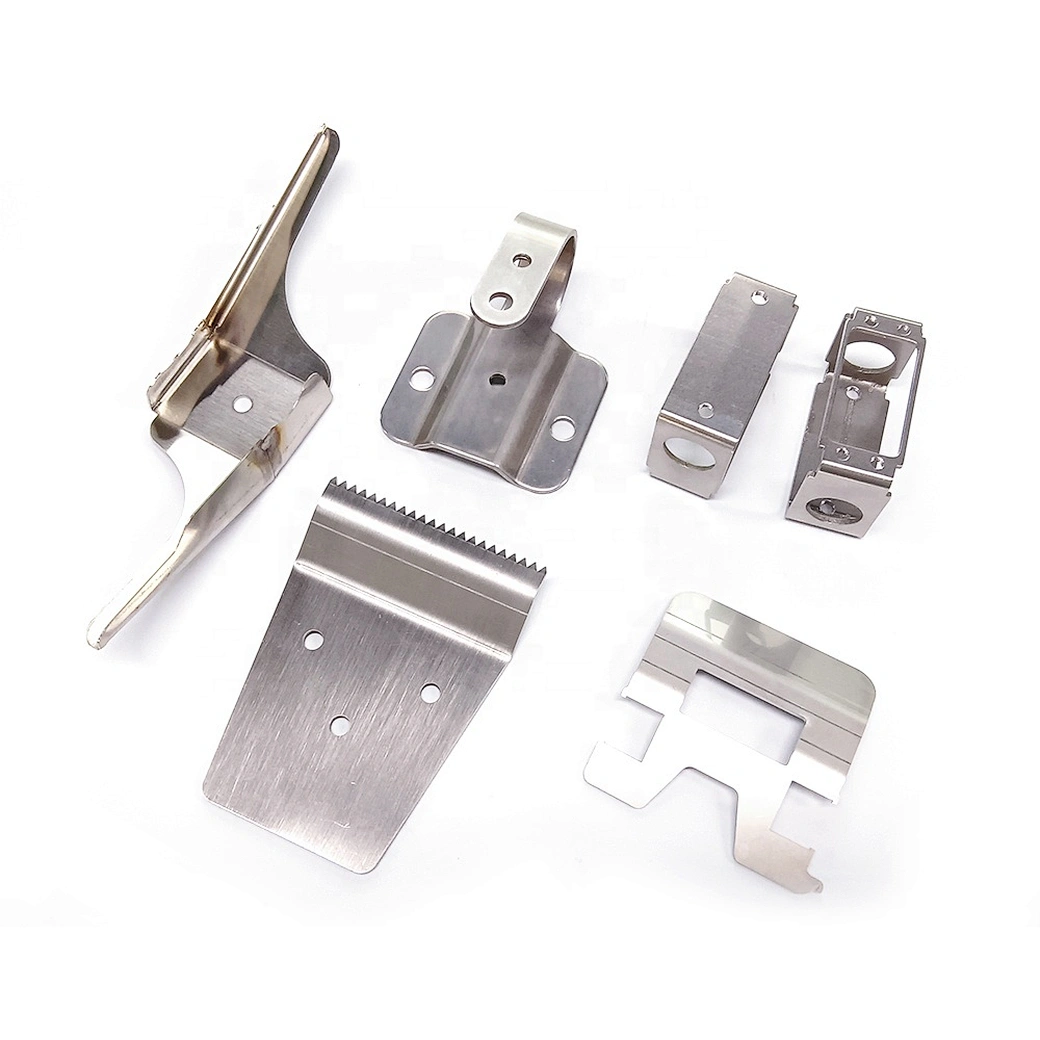
Stainless steel products have become inseparable from our daily lives. They are ubiquitous—we frequently hear about, see, and purchase stainless steel items. How much do you know about stainless steel? Are you curious about its types, advantages, and uses?
2. Introduction to 304 Stainless Steel
304 stainless steel is a common type of stainless steel with a density of 7.93 g/cm³. It can withstand high temperatures up to 800°C and offers good overall performance, making it widely used in industrial and furniture decoration industries. To maintain its corrosion resistance, 304 stainless steel must contain more than 18% chromium and 8% nickel (hence its industry nickname: 18/8 stainless steel).
-
Chinese Name: 304 Stainless Steel / 06Cr19Ni10
-
English Name: 304 stainless steel / SUS304
3. Physical Properties
-
Tensile Strength σb (MPa): >520
-
Conditional Yield Strength σ0.2 (MPa): >205
-
Elongation δ5 (%): >40
-
Reduction of Area ψ (%): >60
-
Hardness: <187 HB; <90 HRB; <200 HV
-
Density (20°C, kg/dm³): 7.93
-
Melting Point (°C): 1398~1454
-
Specific Heat Capacity (0~100°C, kJ·kg⁻¹·K⁻¹): 0.50
-
Thermal Conductivity (W·m⁻¹·K⁻¹): 16.3 (at 100°C), 21.5 (at 500°C)
-
Coefficient of Linear Expansion (10⁻⁶·K⁻¹): 17.2 (0~100°C), 18.4 (0~500°C)
-
Resistivity (20°C, 10⁻⁶ Ω·m): 0.73
-
Longitudinal Modulus of Elasticity (20°C, kN/mm²): 193
4. Chemical Composition
0Cr18Ni9 (0Cr19Ni9)
-
C: ≤0.08
-
Si: ≤1.0
-
Mn: ≤2.0
-
Cr: 18.0~20.0
-
Ni: 8.0~10.0
-
S: ≤0.03
-
P: ≤0.045
5. Characteristics of 304 Stainless Steel
5.1. High Temperature Resistance
One reason 304 stainless steel is widely favored is its excellent high-temperature resistance, which surpasses that of ordinary stainless steel. It can withstand temperatures as high as 800 degrees Celsius, making it suitable for virtually all everyday applications.
5.2. Corrosion Resistance
The corrosion resistance of 304 stainless steel is also outstanding. Due to the use of chromium-nickel elements, it possesses very stable chemical properties and is essentially not prone to corrosion, allowing it to be used as an anti-corrosion material.
5.3. High Toughness
It is well-known that 304 stainless steel has high toughness. This is why it is processed into various products, and the quality of these products is generally high.
5.4. Low Lead Content
Another reason for choosing 304 stainless steel is its low lead content, which is basically harmless to the human body. Consequently, it is recognized as a food-grade stainless steel and can be used directly to manufacture food utensils.
6. Applications of 304 Stainless Steel
-
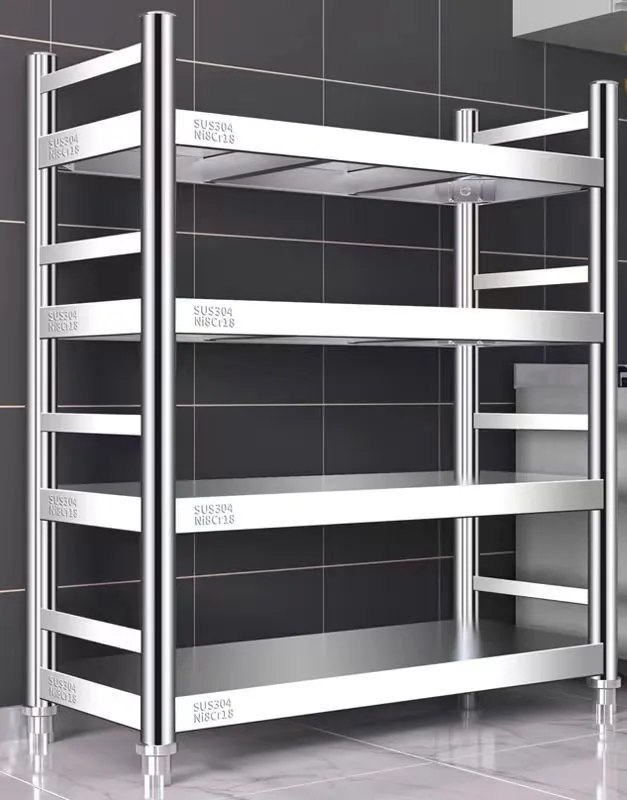
304 stainless steel is nationally recognized as food-grade stainless steel, suitable for the processing, storage, and transportation of food.
-
It possesses good processing performance and weldability. Used in plate heat exchangers, bellows, and household items (Class 1 & 2 tableware, cabinets, indoor pipelines, water heaters, boilers, bathtubs).
-
Automotive parts (windshield wipers, mufflers, moldings), medical instruments, building materials, chemical industry, food industry, agriculture, ship components, etc.
7. How to Identify Food-Grade 304
- In China, food-grade stainless steel refers to products that comply with the national standard GB4806.9-2016 "National Food Safety Standard for Metal Materials and Products Used in Food Contact". This standard provides detailed regulations on all aspects of metal materials and products for food contact, including material composition, sensory requirements, physicochemical indicators, and migration tests, to ensure these materials do not pose a risk to human health under normal conditions of use.
- The GB4806.9-2016 standard specifies clear safety limits for the migration of five primary substances from food-grade stainless steel: arsenic, cadmium, lead, chromium, and nickel. The migration limit requirements are as follows:
- Arsenic (As): Migration limit shall be ≤0.04 mg/kg. Test methods refer to GB31604.38-2016 Part II or GB31604.49-2016 Part II.
- Cadmium (Cd): Migration limit shall be ≤0.02 mg/kg. Test methods refer to GB31604.24 or GB31604.49-2016 Part II.
- Lead (Pb): For stainless steel products, the migration limit shall be ≤0.05 mg/kg (Note: Other standards may mention a limit of ≤0.2 mg/kg for other metal materials, but the focus here is on stainless steel). Test methods refer to GB31604.34-2016 Part II or GB31604.49-2016 Part II.
- Chromium (Cr): For stainless steel products, the migration limit shall be ≤2.0 mg/kg. Note: Martensitic stainless steel materials and products are not tested for chromium. Test methods refer to GB31604.25 or GB31604.49-2016 Part II.
- Nickel (Ni): Migration limit shall be ≤0.5 mg/kg. Test methods refer to GB31604.33 or GB31604.49-2016 Part II.
DongGuan YiTai Electronic Technologies Co.,Ltd
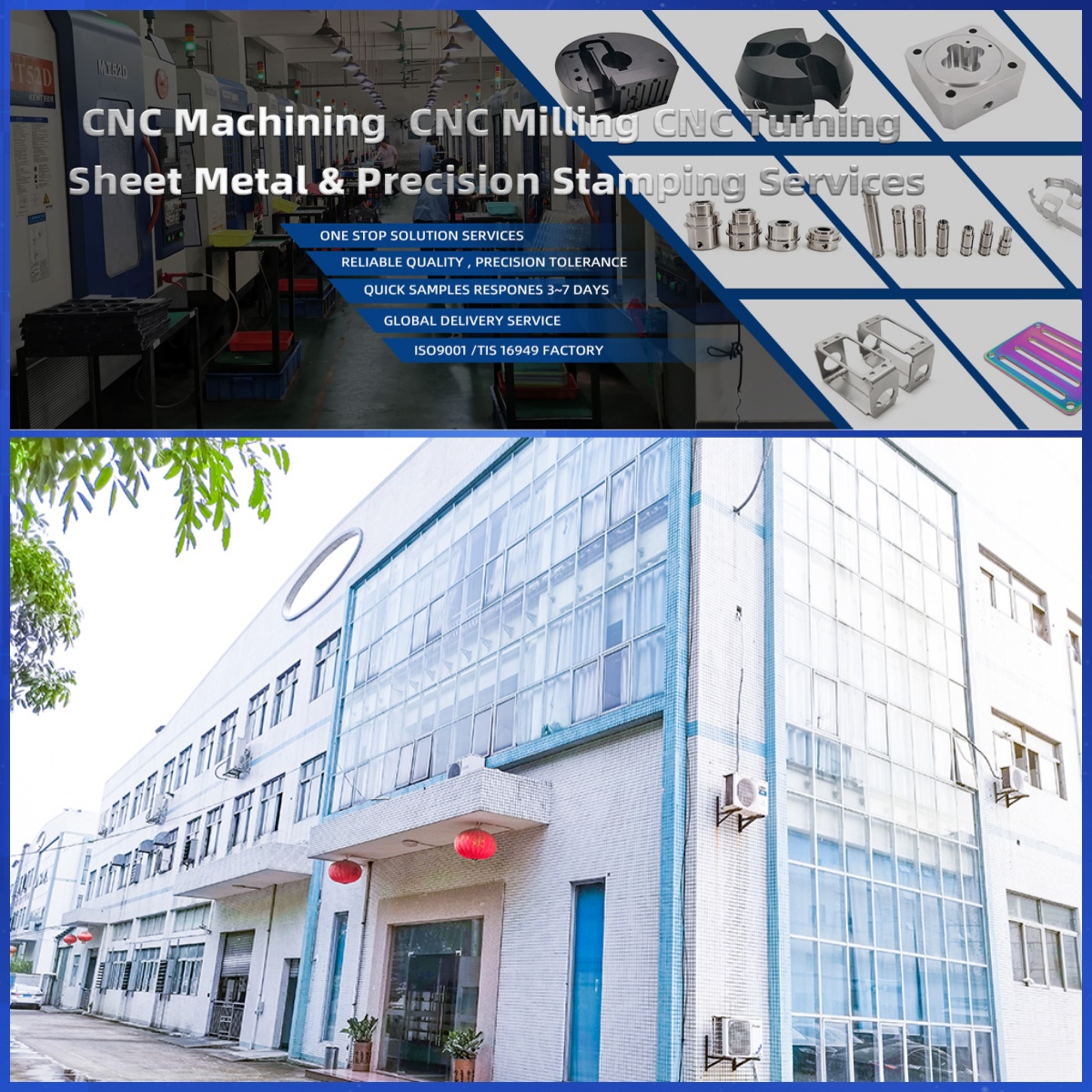
DongGuan YiTai Electronic Technologies Co.,Ltd is a manufacturing service provider located in Dongguan, China.
YiTai specialized in CNC turning machining and sheet metal fabrication mainly. As a member of Hung Mou Group, we focus on the overseas marketing development. And based on our parent company’s manufacturing capability and resources, YiTai also expended machining services such as die casting, injection molding, aluminum profile extrusion, 3D printing, which are committed to providing customers with one-stop purchasing services and experience.
CNC MACHINING , CNC MILLING , CNC TURNING , SHEETMETAL , FASTENER , OTHERS




6061T6 vs 6061 Aluminum: A Material Selection Guide
Deformation Issues and Countermeasures in CNC Machining of Plastic Parts
Related Article