Shrinkage in Cast Metals: The Invisible Killer in the Hardware Industry
- Shrinkage in Cast Metals: The Inherent Weakness of Hardware Components
- How Do Shrinkage Defects "Attack" Hardware Products?
- Practical Shrinkage Control Solutions in the Hardware Industry
- Conclusion: Shrinkage Control as a Competitive Edge
1. Shrinkage in Cast Metals: The Inherent Weakness of Hardware Components
2. How Do Shrinkage Defects "Attack" Hardware Products?
2.1 Shrinkage Cavities and Porosity: Silent Strength Eroders
- Concentrated Shrinkage Cavities: These large, irregular voids form at the "hot spots" of hardware—thicker sections where cooling is slowest. A prime example is the base of a cast iron pipe clamp, where the metal accumulates and cools last. Without proper feeding systems, the molten metal here cannot replenish the volume lost to shrinkage, leaving a cavity. In 2023, a Chinese hardware manufacturer specializing in pipe fittings reported that 30% of its cast iron clamps were scrapped due to such cavities; when installed, these defective clamps failed under 50% of their rated load, posing safety risks for plumbing systems.
- Dispersed Shrinkage Porosity: Unlike large cavities, these are microscopic, honeycomb-like pores that spread through the metal. They are particularly prevalent in non-ferrous alloys like brass (used in faucet handles) and aluminum (in laptop hinges). For a brass faucet cartridge, even 5% porosity can reduce its pressure resistance by 25%, causing leaks within months of use. Detecting these defects requires advanced tools: ultrasonic testing machines emit high-frequency waves that bounce off pores, creating visual maps of internal flaws. A German hardware brand, for instance, adopted this technology in 2022, reducing porosity-related returns of its brass valves by 40%.
2.2 Cracks: Fatal Threats to Structural Integrity
- Hot Cracks: Formed during solidification, these cracks occur when the metal’s tensile strength is outpaced by shrinkage-induced stress. They often appear at sharp corners or thin-walled sections—such as the junction of a stainless steel utensil handle and its bowl. In one case, a kitchenware manufacturer used a sand mold with poor collapsibility (the ability to expand slightly as the metal shrinks) for its stainless steel spatulas. The rigid mold restricted the metal’s contraction, creating hot cracks along the handle base; when tested for durability, 60% of these spatulas broke within 100 uses.
- Cold Cracks: These develop hours or even days after casting, as the metal continues to cool and contract. High-carbon steel hardware, like wrench jaws or drill bits, is especially vulnerable. A U.S.-based toolmaker once rushed production of carbon steel wrenches by cooling them in ambient air instead of using controlled annealing. The rapid temperature drop caused internal stresses to accumulate, leading to cold cracks that only became visible when the wrenches were subjected to torque tests—resulting in a recall of 12,000 units.
3. Practical Shrinkage Control Solutions in the Hardware Industry
3.1 Process Optimization: Precision at Every Step
- Riser and Chiller Systems: Risers—reservoirs of molten metal—act as "feeders" to replenish volume lost to shrinkage. For a cast iron flange (used in pipe connections), a top riser with a diameter 1.2 times the flange’s thickest section ensures continuous flow to the hot spot. Pairing risers with chillers (metal blocks embedded in the mold) accelerates cooling in critical areas. A Turkish hardware firm specializing in flanges reported that this combination reduced cavity defects from 18% to 1.2% in six months. Chillers are particularly effective for aluminum hardware: placing copper chillers near the thin walls of an aluminum drawer slide speeds up cooling, preventing porosity.
- Temperature and Pouring Rhythm: Controlling molten metal temperature is equally vital. Aluminum alloy door hinges, for example, require a pouring temperature of 680–720℃: too high (above 730℃) increases liquid shrinkage, while too low (below 670℃) causes poor mold filling. For carbon steel hardware like gear blanks, a "slow-fast-slow" pouring rhythm works best: starting slowly to avoid turbulence, accelerating to fill the mold quickly, and slowing again to ensure risers feed properly. A Japanese hardware manufacturer implemented this rhythm, cutting shrinkage-related scrap by 22%.
- Advanced Mold Materials: Resin-bonded sand molds, replacing traditional clay-bonded sand, offer superior collapsibility. For stainless steel kitchen sinks, resin sand molds expand slightly as the metal shrinks, reducing stress and hot cracks. A European sink producer that switched to resin sand in 2023 saw a 35% drop in cracked units.
3.2 Structural Design: Anticipating Shrinkage from the Start
- Gradual Wall Thickness Transitions: Abrupt changes in thickness create hot spots. For a brass pipe fitting with a 50mm thick base and 30mm thin neck, a 1:3 slope (tapering the neck over 60mm) distributes heat evenly. This design tweak helped a Indian hardware supplier reduce porosity in its pipe fittings by 28%.
- Counter-Deformation Techniques: For complex hardware like T-shaped bracket s (used in furniture assembly), molds are designed with intentional "pre-deformation" to offset shrinkage. For example, a T-bracket made of gray cast iron (linear shrinkage rate 0.9%) requires the mold to be 0.9% larger in the direction of contraction. A Canadian furniture hardware firm used this method, reducing bracket misalignments from 1.5mm to 0.3mm.
3.3 Material Selection: Matching Alloys to Hardware Needs
- Alloy Choice for Precision: For small, intricate hardware like watch clasps or electronic connectors, aluminum alloys (linear shrinkage 1.2%–1.5%) are preferred over steel (1.8%–2.2%) for their lower shrinkage. For heavy-duty hardware like industrial bolts, gray cast iron's graphite expansion (which offsets 30% of shrinkage) makes it a better choice than carbon steel, as seen in a U.S. construction hardware brand that reduced bolt shrinkage defects by 50% via this switch.
- Additives for Stability: In copper hardware (used in plumbing valves), adding 0.2%–0.5% rare earth elements (e.g., lanthanum or cerium) reduces oxidative segregation—an issue that causes uneven shrinkage. A Chinese valve manufacturer adopted this practice, cutting leakage rates in its copper valves from 12% to 3%.
3.4 Smart Monitoring: Tech-Driven Quality Control
4. Conclusion: Shrinkage Control as a Competitive Edge
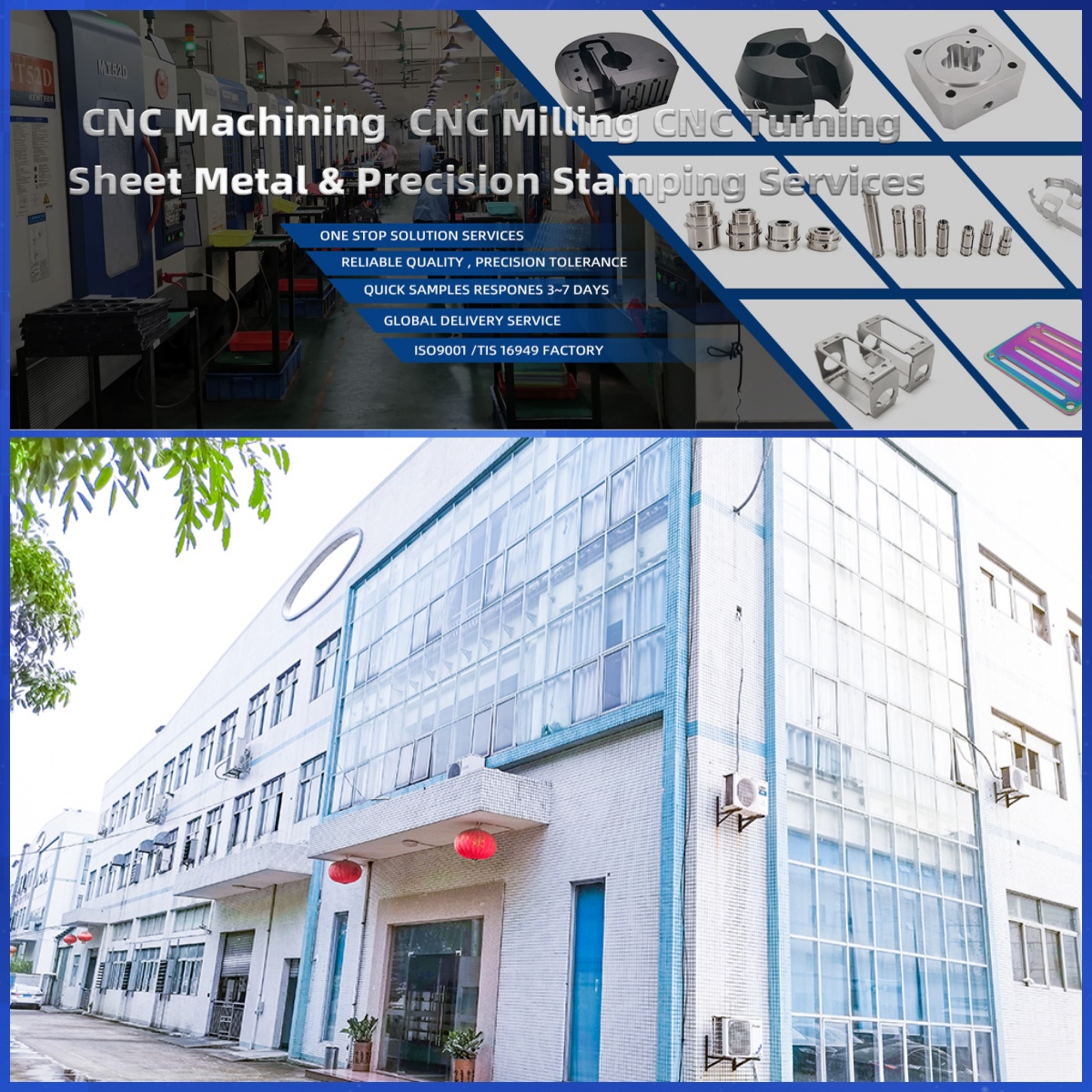
DongGuan YiTai Electronic Technologies Co.,Ltd
DongGuan YiTai Electronic Technologies Co.,Ltd is a manufacturing service provider located in Dongguan, China.
YiTai specialized in CNC turning machining and sheet metal fabrication mainly. As a member of Hung Mou Group, we focus on the overseas marketing development. And based on our parent company’s manufacturing capability and resources, YiTai also expended machining services such as die casting, injection molding, aluminum profile extrusion, 3D printing, which are committed to providing customers with one-stop purchasing services and experience.
CNC MACHINING , CNC MILLING , CNC TURNING , SHEETMETAL , FASTENER , OTHERS




3-Axis to 12-Axis: CNC Milling Machine Capabilities Compared
Aluminium Powder Coating: A Complete Guide for the Hardware Industry
Related Article