Sheet Metal Parts: Materials, Processes, Applications & Our Capabilities

- What Are Sheet Metal Parts?
- Common Materials for Sheet Metal Parts
- Key Manufacturing Processes for Sheet Metal Parts
- Surface Finishing for Sheet Metal Parts
- Design Considerations for Sheet Metal Fabrication
- Key Applications of Sheet Metal Parts
- Our Company's Sheet Metal Parts Processing Capabilities
- Material & Process Comparison Table
- Expert Opinion on Sheet Metal Fabrication
- FAQ About Sheet Metal Parts
1. What Are Sheet Metal Parts?
Sheet metal parts are components made from thin metal sheets (typically 0.5–6mm thick). Manufacturers cut, bend, or shape these sheets into desired forms. Sheet metal parts are used in almost every industry. They are popular because they are strong, lightweight, and cost-effective to produce.
Sheet metal parts can be simple (like a flat metal bracket) or complex (like a car door frame). They are made from various metals. The choice of material, process, and surface treatment depends on the part's use.
2. Common Materials for Sheet Metal Parts
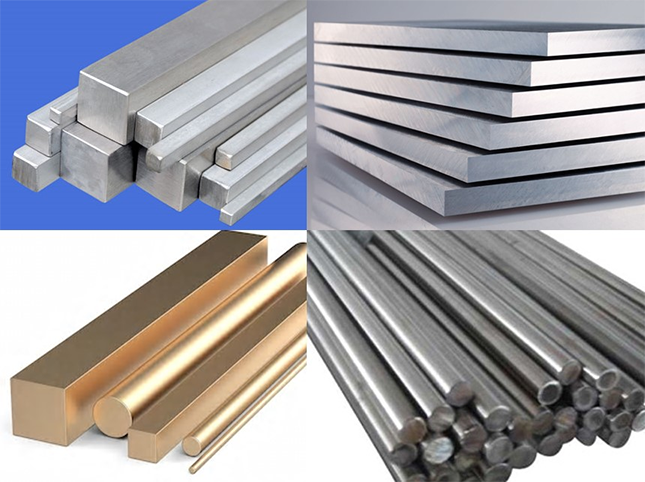
Choosing the right material is critical for sheet metal parts. Here are 4 most used materials:
2.1 Cold-Rolled Steel (CRS)
- Key Traits: Low cost, good strength, easy to form. It has a smooth surface.
- Thickness Range: 0.5–4mm
- Common Uses: Appliance housings, furniture brackets, electrical enclosures. It is ideal for indoor products (not corrosion-resistant).
2.2 Stainless Steel (304/316)
- Key Traits: Excellent corrosion resistance, high strength, durable. 304 is for general use. 316 is better for saltwater or harsh environments.
- Thickness Range: 0.8–6mm
- Common Uses: Food processing equipment, medical devices, outdoor hardware.
2.3 Aluminum (6061/5052)
- Key Traits: Lightweight (1/3 the weight of steel), good corrosion resistance, easy to cut.
- Thickness Range: 0.5–5mm
- Common Uses: Automotive parts, aerospace components, electronic device casings.
2.4 Brass
- Key Traits: Good electrical conductivity, corrosion resistance, attractive appearance.
- Thickness Range: 0.8–3mm
- Common Uses: Electrical connectors, decorative parts, plumbing fixtures.
3. Key Manufacturing Processes for Sheet Metal Parts
Sheet metal parts are made using 5 core processes. Each process serves a specific purpose:

3.1 Laser Cutting
- How It Works: Uses a high-power laser to cut metal sheets. It is precise and fast.
- Key Benefits: Tight tolerance (±0.02mm), smooth edges, no tool wear.
- Best For: Complex shapes, small batches, thin to medium sheets (0.5–4mm).
3.2 Bending
- How It Works: Uses a CNC bending machine to fold sheets into angles (e.g., 90° bends) or curves.
- Key Benefits: Consistent bends, high efficiency, works for most metals.
- Best For: Brackets, enclosures, frames (e.g., shelf brackets, computer cases).
3.3 Stamping
- How It Works: Uses a press and die to punch or form shapes in metal sheets.
- Key Benefits: Fast for mass production, low cost per part.
- Best For: Simple shapes (holes, slots), large batches (e.g., washers, battery contacts).
3.4 Welding
- How It Works: Joins two or more metal sheets using heat. Common methods include MIG (Metal Inert Gas) and TIG (Tungsten Inert Gas) welding.
- Key Benefits: Strong joints, works for thick sheets.
- Best For: Large parts (e.g., car frames, industrial equipment bases).
3.5 Punching
- How It Works: Uses a punch tool to create holes or slots in sheets.
- Key Benefits: Fast, low cost for simple holes.
- Best For: High-volume production (e.g., electrical panels with multiple holes).
4. Surface Finishing for Sheet Metal Parts
Surface finishing improves appearance, corrosion resistance, or durability. Here are 4 common options:

4.1 Powder Coating
- Process: Applies a dry powder to the surface, then bakes it to form a hard layer.
- Benefits: Durable, scratch-resistant, wide color range.
- Best For: Outdoor parts (e.g., garden furniture, outdoor enclosures).
4.2 Painting
- Process: Applies liquid paint to the surface (spray or brush).
- Benefits: Low cost, easy to apply, customizable colors.
- Best For: Indoor parts (e.g., appliance housings, decorative brackets).
4.3 Electroplating
- Process: Coats the part with a thin layer of metal (e.g., zinc, nickel, chrome) using electricity.
- Benefits: Corrosion resistance, improved conductivity, shiny appearance.
- Best For: Electrical parts (e.g., connectors), decorative parts.
4.4 Anodizing
- Process: Creates a protective oxide layer on aluminum parts using electricity.
- Benefits: Hard, corrosion-resistant, available in natural or dyed colors.
- Best For: Aluminum parts (e.g., aerospace components, electronic casings).
5. Design Considerations for Sheet Metal Fabrication
Good design ensures sheet metal parts are easy to manufacture and perform well. Here are 5 key tips:
- Bend Radius: Use a minimum bend radius (e.g., 1x the sheet thickness for steel). Sharp bends can crack the metal.
- Hole Placement: Keep holes at least 1.5x the sheet thickness away from edges. This prevents the metal from tearing.
- Avoid Sharp Corners: Round corners (radius ≥1mm) reduce stress and make bending easier.
- Material Thickness: Choose a thickness that matches the part’s strength needs. Too thin, and the part will bend; too thick, and it’s hard to process.
- Simplify Shapes: Complex shapes increase production time and cost. Use simple designs where possible.
6. Key Applications of Sheet Metal Parts
Sheet metal parts are used in 5 major industries:
6.1 Automotive Industry
- Parts: Car body panels, door frames, battery housings (for EVs), exhaust components.
- Why Sheet Metal: Strong, lightweight, cost-effective for mass production.
6.2 Home Appliances
- Parts: Refrigerator doors, washing machine drums, oven liners, air conditioner housings.
- Why Sheet Metal: Durable, easy to clean, heat-resistant.
6.3 Aerospace Industry
- Parts: Aircraft wing components, cabin panels, sensor housings.
- Why Sheet Metal: Lightweight (aluminum), corrosion-resistant (stainless steel).
6.4 Medical Industry
- Parts: Surgical instrument trays, hospital bed frames, medical device casings.
- Why Sheet Metal: Hygienic (easy to sterilize), corrosion-resistant (stainless steel).
6.5 Industrial Equipment
- Parts: Machine frames, electrical enclosures, conveyor belts, pump housings.
- Why Sheet Metal: Strong, durable, can withstand heavy use.
7. Our Company's Sheet Metal Parts Processing Capabilities
We specialize in manufacturing custom sheet metal parts. Our capabilities meet the needs of diverse industries. Here are 5 key strengths:
- Advanced Equipment:
- 12 fiber laser cutting machines: Cut sheets up to 3m x 1.5m, tolerance ±0.02mm.
- 8 CNC bending machines: Handle bends up to 12mm thick steel, angle accuracy ±0.5°.
- 5 stamping presses: For mass production (up to 10,000 parts/day).
- 6 welding stations: MIG/TIG welding for strong, clean joints.
- Wide Material Range: We process cold-rolled steel, stainless steel (304/316), aluminum (6061/5052), and brass. Thickness range: 0.5–6mm.
- Customization Services: We accept custom designs (CAD files supported: STEP, DWG). We handle small batches (1–100 parts) and large batches (10,000+ parts).
- Surface Finishing Options: We offer powder coating, painting, electroplating, and anodizing. All finishes meet industry standards (e.g., RoHS, ISO 9001).
- Quality Control & Delivery:
- Every part is inspected with digital micrometers and optical projectors.
- Standard orders: 3–7 days delivery. Custom orders: 7–15 days.
- Global shipping via DHL, FedEx, or sea freight.
8. Material & Process Comparison Table
|
Feature |
Cold-Rolled Steel |
Stainless Steel (304) |
Aluminum (6061) |
Laser Cutting |
Bending |
Stamping |
|
Thickness Range (mm) |
0.5–4 |
0.8–6 |
0.5–5 |
0.5–4 |
0.5–6 |
0.5–3 |
|
Corrosion Resistance |
Low |
Excellent |
Good |
— |
— |
— |
|
Weight (kg/m², 1mm) |
7.85 |
7.9 |
2.7 |
— |
— |
— |
|
Cost (per kg) |
Low (1–2) |
High (3–5) |
Medium (2–3) |
— |
— |
— |
|
Tolerance |
— |
— |
— |
±0.02mm |
±0.5° |
±0.1mm |
|
Best For |
Indoor parts |
Food/medical parts |
Lightweight parts |
Complex shapes |
Brackets |
Mass product |
9. Expert Opinion on Sheet Metal Fabrication
John Miller is a senior manufacturing engineer with 20 years of experience in sheet metal processing. He says: “Sheet metal parts are the backbone of many industries. The key to success is matching the right material and process.
He adds: “For example, if you need an outdoor part, stainless steel or aluminum with powder coating is best. For mass production, stamping is faster than laser cutting. Design is also critical—bad design can make a part impossible to manufacture or prone to failure. Companies with advanced equipment (like this one) can handle complex designs, but simplifying where possible still saves time and money. Sheet metal’s strength and cost-effectiveness will keep it relevant for years to come.”
10. FAQ About Sheet Metal Parts
Q1: What is the most cost-effective material for sheet metal parts?
A: Cold-rolled steel is the cheapest. It works for indoor parts (e.g., furniture brackets, electrical enclosures). Avoid it for outdoor use (it rusts).
Q2: How precise is sheet metal fabrication?
A: Laser cutting has a tolerance of ±0.02mm. Bending has an angle tolerance of ±0.5°. Stamping has a tolerance of ±0.1mm. These are precise enough for most applications.
Q3: Can you make custom sheet metal parts from my design?
A: Yes. We accept CAD files (STEP, DWG, DXF). Our team will review your design and suggest improvements for manufacturing.
Q4: What is the minimum order quantity for sheet metal parts?
A: We have no minimum order quantity. We handle small batches (1 part) and large batches (10,000+ parts).
Q5: How long does it take to produce sheet metal parts?
A: Standard parts (simple shapes, common materials) take 3–7 days. Custom or complex parts take 7–15 days.
Q6: Which surface finishing is best for outdoor parts?
A: Powder coating or anodizing (for aluminum). Both are durable and resist rain, sun, and rust.
Q7: Can sheet metal parts be recycled?
A: Yes. Steel, stainless steel, and aluminum are 100% recyclable. This makes sheet metal parts eco-friendly.
Q8: What is the maximum size of sheet metal parts you can produce?
A: We can process sheets up to 3m x 1.5m. For larger parts, we can join multiple pieces with welding.
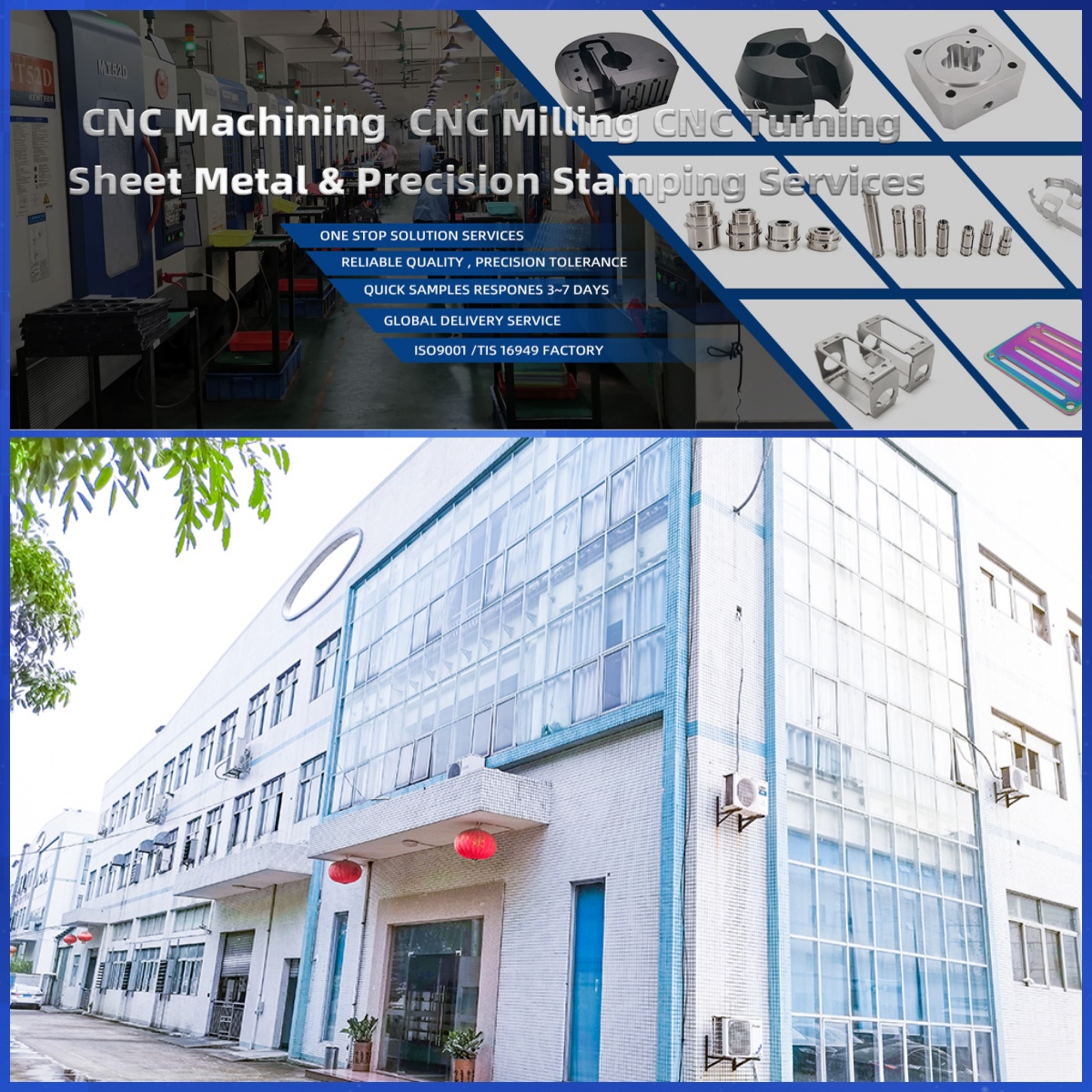
DongGuan YiTai Electronic Technologies Co.,Ltd
DongGuan YiTai Electronic Technologies Co.,Ltd is a manufacturing service provider located in Dongguan, China.
YiTai specialized in CNC turning machining and sheet metal fabrication mainly. As a member of Hung Mou Group, we focus on the overseas marketing development. And based on our parent company’s manufacturing capability and resources, YiTai also expended machining services such as die casting, injection molding, aluminum profile extrusion, 3D printing, which are committed to providing customers with one-stop purchasing services and experience.
CNC MACHINING , CNC MILLING , CNC TURNING , SHEETMETAL , FASTENER , OTHERS




What is SOP in Precision CNC Machining?
Barn Door Hardware: Craft, Features, Materials & Our Company Advantages
Related Article