Sheet Metal Processing Steps: From Steel Plate to Finished Product

- Step 1: Drawing Analysis and Production Preparation
- Step 2: Cutting to Make Basic Blanks
- Step 3: Bending to Shape 3D Forms
- Step 4: Fine Processing to Add Features
- Step 5: Welding to Join Parts
- Step 6: Grinding and Polishing to Fix Surface Issues
- Step 7: Surface Treatment for Protection
- Step 8: Quality Check and Shipping
- Common Industry Questions
Sheet metal fabrication is the process of transforming flat steel plates into ready-to-use components. Our factories adhere to a clear 8-step procedure to ensure the final products meet precise specifications. Using steel plates as the raw material, each step builds upon the previous one. Many companies require these parts for machinery, enclosures, and various equipment. This article will walk you through each step in simple, easy-to-understand terms.
Step 1: Drawing Analysis and Production Preparation
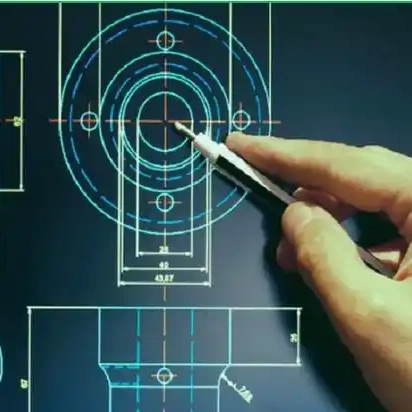
This step serves as the core planning phase prior to actual cutting. Engineers carefully review the product drawings, clearly marking material requirements, dimensional tolerances, welding points, bending angles, and other critical details. They also conduct process simulations on the computer to anticipate potential issues and prevent rework down the line.

Next, technicians create CNC programs. They make NC codes for laser cutters and bending machines. They prepare molds and tools for bending and stamping. They plan how to lay out parts on the steel plate. This plan uses material well and keeps waste low.
A senior engineer at DongGuan YiTai says, "Strong preparation in this step cuts errors by half and saves big costs."
Step 2: Cutting to Make Basic Blanks
This step cuts the full steel plate into basic flat pieces. It is like cutting cloth to start a dress. The cut gives the part its first shape.

The main method is laser cutting. This is the factory core way. Laser cutting reaches 0.1 mm precision. It cuts complex outlines exactly. Every blank comes out the right size. For parts with many standard holes, factories use CNC punching machines. For simple straight cuts, they use shearing machines. After cutting, workers remove burrs on edges. This stops sharp parts from hurting later steps.
Here is a comparison table of cutting methods:
| Cutting Method | Precision (mm) | Speed for Batch | Cost Level | Best For |
|---|---|---|---|---|
| Laser Cutting | 0.1 | Medium | Medium | Complex shapes |
| CNC Punching | 0.2 | Fast | Low | Many standard holes |
| Shearing Machine | 0.5 | Very fast | Lowest | Straight lines only |
The table shows why laser cutting wins for most jobs. It gives the best accuracy for fine work.
Step 3: Bending to Shape 3D Forms
This step is the primary forming stage in sheet metal fabrication, where flat blanks are shaped into 3D forms using a CNC press brake.

Operators begin by test-bending a sample, then adjust the machine pressure and die settings according to the material thickness and bending angle. For a 90-degree bend, the tolerance must be kept under 0.5 degrees to prevent fitting issues later on. Bending follows a specific sequence, starting with non-interfering areas. For complex parts, inner sections are bent before outer ones, and smaller bends are completed before larger ones to maintain high accuracy.
Step 4: Fine Processing to Add Features
This step adds small details for assembly and function. It meets real use needs on the parts.
The main operations are:
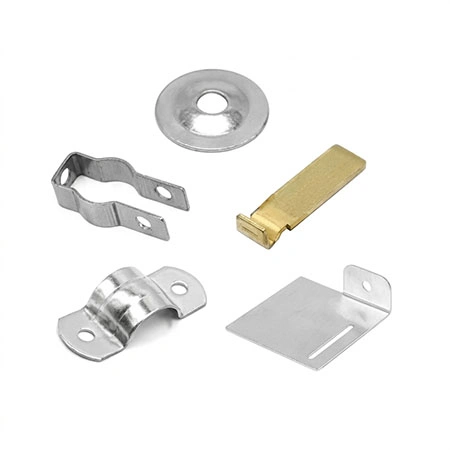
- Riveting: Use a punch press or hydraulic machine to fix rivet studs, nuts, or screws into the plate. This prepares for easy assembly later.
- Edge turning and tapping: For thin plates, pull a small hole bigger and cut threads inside. This makes screw connections stronger and stops stripping.
- Stamping: Use special molds to press bumps, ribs, or louvers. These features make the part more stable.
These steps complete the structure so the part works right in the final product.
Step 5: Welding to Join Parts
This step joins several bent pieces into one strong unit. It gives the part its full strength.
Factories pick the weld type by part size, material, and use. Common types are TIG welding for stainless steel or aluminum. It makes clean and nice seams. CO2 welding works for long strong seams. Spot welding joins overlapping plates fast. Skilled welders keep seams flat and free of holes. After welding, they knock off slag. This keeps connection strength and basic look good.
An experienced welder at the factory says, "Clean welding stops weak spots and makes the part last longer."
Step 6: Grinding and Polishing to Fix Surface Issues

This step cleans the whole surface after welding. It removes all defects from earlier steps.
Workers start with coarse grinding wheels to take off weld marks and high spots. Then they use fine sandpaper for final polish. They clear all burrs, scratches, and bumps from cutting, bending, and welding. The result is a smooth surface. This also stops rust from stress at rough spots later.
Step 7: Surface Treatment for Protection
This step adds a protective layer to the part. It stops rust and can improve looks. Factories choose the method by customer needs and use environment.
Main options are:
- Painting or powder coating: First do phosphate treatment for better stick. The coating resists wear and rust. Outdoor parts can stay good for 8 to 10 years.
- Plating or passivation: Zinc or chrome plating forms a metal film by electricity. It boosts rust resistance.
- Anodizing: Used mostly for aluminum parts. It creates a hard oxide layer. The layer can take color and adds wear resistance plus nice look.
The treatment gives the part a "protection coat" for long life.
Step 8: Quality Check and Shipping
This is the last check before parts leave the factory. Inspectors use calipers, micrometers, and height gauges. They measure sizes, angles, and hole positions exactly. They also do trial assembly to test fit. They look at surface quality by eye. They check coating evenness and no scratches.
All items must match drawing specs. Then workers pack parts by type. They use pearl cotton, cartons, or wood boxes. This stops scratches or bends during transport. Only then do parts ship to customers.
Common Industry Questions
Q: What is the most important step in sheet metal processing?
A: Step 1 drawing analysis is key. It stops most problems before they start.
Q: Why is laser cutting the main method?
A:It gives 0.1 mm accuracy and handles complex shapes well. Other methods cannot match it for fine work.
Q: How do factories control bend accuracy?
A: They do test bends first and follow strict order. Error stays under 0.5 degree for 90 degree bends.
Q: What surface treatment lasts longest outdoors?
A: Powder coating after phosphate treatment. It can last 8 to 10 years without fade.
Q: Can small batch orders be done?
A: Yes. Factories like DongGuan YiTai handle from 10 pieces up with fast delivery.
Q: How do you stop rust on finished parts?
A: Full surface treatment plus good packaging. This keeps parts safe in any environment.
Q: What tools check final quality?
A: Calipers, micrometers, height gauges, and trial assembly. All measurements must pass before shipping.
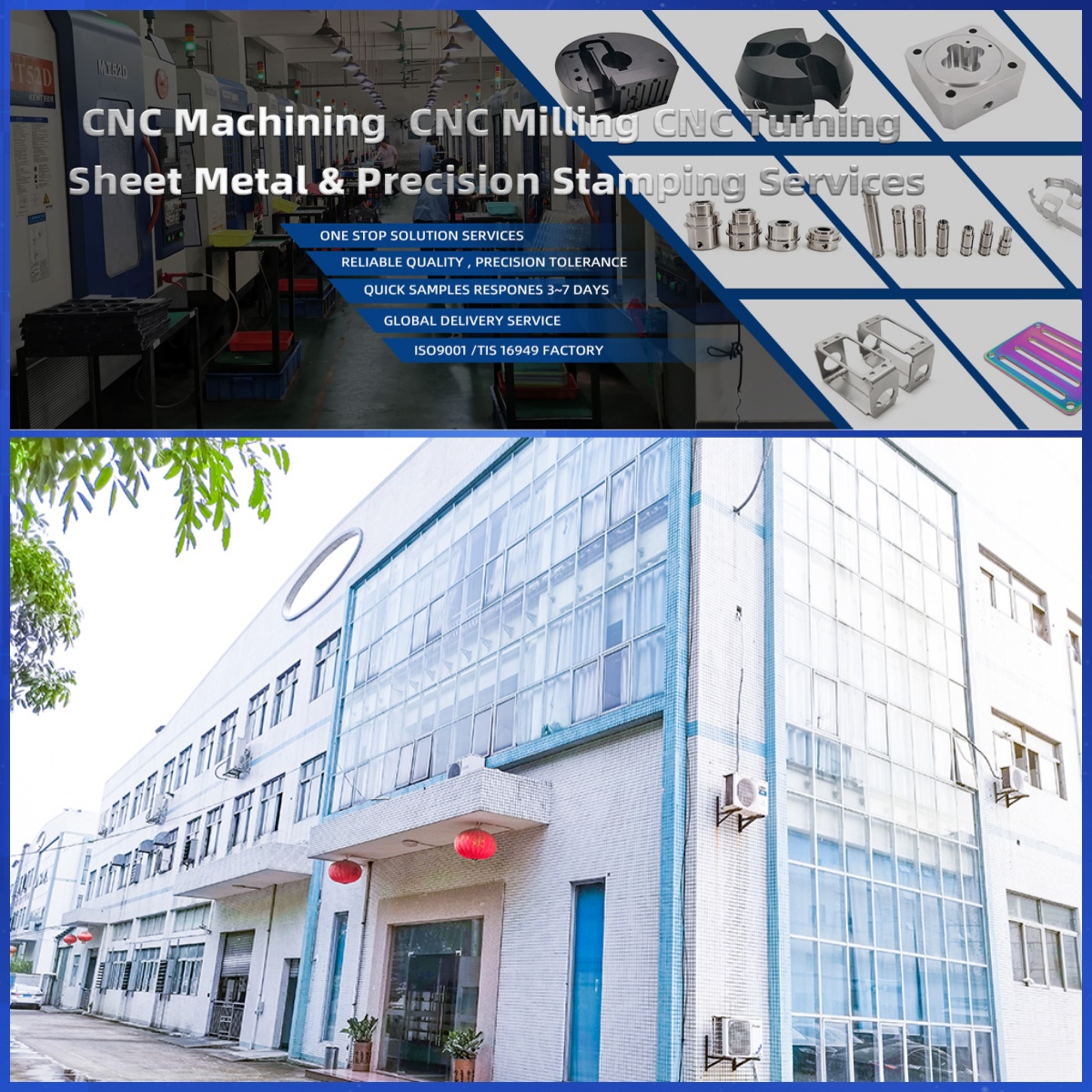
DongGuan YiTai Electronic Technologies Co.,Ltd
DongGuan YiTai Electronic Technologies Co.,Ltd is a manufacturing service provider located in Dongguan, China.
YiTai specialized in CNC turning machining and sheet metal fabrication mainly. As a member of Hung Mou Group, we focus on the overseas marketing development. And based on our parent company’s manufacturing capability and resources, YiTai also expended machining services such as die casting, injection molding, aluminum profile extrusion, 3D printing, which are committed to providing customers with one-stop purchasing services and experience.
CNC MACHINING , CNC MILLING , CNC TURNING , SHEETMETAL , FASTENER , OTHERS




5-Axis CNC Machining for Complex Precision Aluminum Alloy Small Parts – Overcoming Thin Walls and Tight Tolerances
When to Choose 3D Printing for Rapid Prototyping – And When to Switch to CNC Machining
Related Article