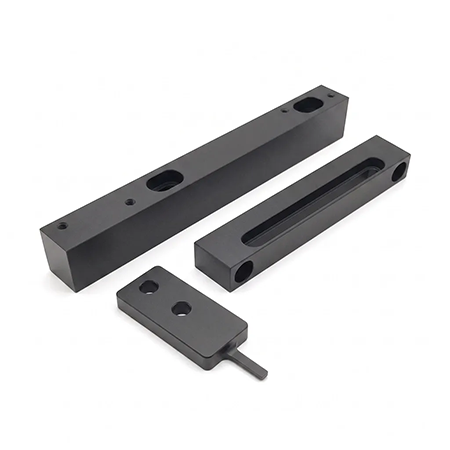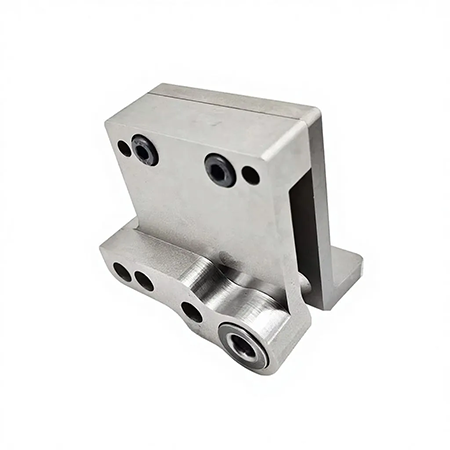
Understanding Sensor Mounting Bases: A Complete Product Manual from Basic Types to Industry Applications

Sensor mounting bases hold sensors in the right place. They give strong support and protect parts in many industries. This guide explains everything from basic types to real uses. It helps you pick the best product for your needs.
Table of Contents
- What is a sensor mounting base
- Main product types and structures
- Types by sensor fit
- Material and surface choices
- DongGuan YiTai custom solutions
- Parameter comparison table
- Expert views
- FAQ
1. What is a sensor mounting base
A sensor mounting base is a part that fixes sensors firmly. It keeps sensors at the exact spot for work.

Precise positioning, rigid support, and environmental protection – three main missions
The base does three big jobs. First, it gives precise positioning. This makes sure the sensor points the right way every time. Second, it offers rigid support. This stops shake and move during use. Third, it provides environmental protection. It keeps dust, water, and heat away from the sensor. These three jobs work together to make the whole system better.
How the product directly affects sensor measurement accuracy and service life
A good mounting base helps sensors give correct readings. Bad support causes vibration. This leads to wrong data. Strong bases cut vibration so measurements stay accurate. They also make sensors last longer. Protection from heat and dirt stops early damage. In short, the base decides how well and how long the sensor works.
2. Main product types and structural forms
Different jobs need different bases. Here are the main kinds.
Fixed brackets: L-type, block-type, flange-type and other standard products
Fixed brackets are simple and strong. L-type works well for side mounts. Block-type gives solid flat support. Flange-type connects easy to machines. These standard products fit most basic needs. They are fast to install and low cost.
Adjustable mounting bases: high-precision positioning products with dovetail slots, ball hinges, rotary adjustments
Adjustable bases let you change position. Dovetail slots give smooth slide moves. Ball hinges allow angle changes. Rotary adjustments turn the sensor. These bases help fine tuning. They fit lines that need quick setup changes.
Quick-change and modular mounting systems: for fast replacement needs in flexible production lines
Quick-change systems let workers swap sensors fast. Modular designs use standard parts. This cuts stop time on production lines. They work great for factories that change products often.
Protective enclosure mounting bases: environment-resistant products with sealing, cooling or air blow structures
These bases add full covers. Sealing stops water and dust. Cooling keeps heat low. Air blow clears dirt. They suit tough places like wet or hot areas.
3. Types by sensor fit
Bases match specific sensors. This makes installation easy and work better.
Photoelectric and fiber optic sensor mounts
These mounts hold light sensors steady. They line up the beam exact. Good alignment gives clear signals.
Proximity and limit switch bases
These bases fix switches at the right gap. They stop false triggers. Strong hold keeps switches safe from hits.
Laser displacement sensors and vision camera mounting assemblies
These assemblies keep lasers and cameras stable. They allow exact angle and height set. This gives sharp data and clear images.
Supporting mounting joints for temperature, pressure, and flow sensors
These joints connect sensors to pipes or tanks. They keep seals tight. This stops leaks and gives true readings.
4. Material and surface choices
Material decides how good the base is and where it works.

Hard anodized aluminum alloy – first choice for general automation
Aluminum alloy is light and strong. Hard anodizing adds a tough surface. It stops wear and rust. This material fits most automation lines. It gives good value and easy machining.
316 stainless steel – exclusive for food, marine and cleanroom applications
316 stainless steel fights rust best. It handles clean chemicals and sea water. It meets food and cleanroom rules. This steel keeps high strength in hard conditions.
Product surface marking and laser engraving for traceability
Laser engraving adds clear marks. It shows model numbers and dates. This helps track parts over time. It makes quality control simple.
5. DongGuan YiTai custom solutions
DongGuan YiTai makes all kinds of sensor mounting bases. They offer standard parts and full custom designs. From single brackets to complete systems, YiTai works with your needs. Their team uses good materials and precise machining. This gives reliable products for your line. Contact them for fast help on special requests.
6. Parameter comparison table
| Type | Material Options | Adjustment Level | Protection Level | Best Application |
|---|---|---|---|---|
| Fixed brackets | Aluminum, Steel | None | Basic | Standard fixed setups |
| Adjustable bases | Aluminum alloy | High | Medium | Flexible positioning |
| Quick-change modular | Aluminum, Stainless | Medium | Medium | Fast production changes |
| Protective enclosures | Stainless steel | Low | High | Harsh environments |
| Sensor specific joints | 316 Stainless | Low | High | Process control sensors |
The table shows clear differences. Pick the type that matches your sensor and work conditions.
7. Expert views
Dr. Emily Tan has 15 years in automation design. She says precise positioning from good bases improves sensor accuracy by 30 percent. She tells engineers to always check material match for the environment.
Mark Lee runs a sensor integration company. He notes that adjustable bases cut setup time in half on flexible lines. He adds that modular systems help factories change products without long stops.
Sarah Wong leads quality at a precision factory. She says 316 stainless steel bases last twice as long in wet areas. She tells teams to use laser engraving for every part to keep full records.
These experts agree on one point. The right mounting base makes sensors work better and longer.
8. FAQ
What is the main job of a sensor mounting base? It gives precise position, strong support, and protection.
Which material works best for food industry? 316 stainless steel. It meets clean standards and fights rust.
Can I adjust the base after installation? Yes. Adjustable types let you change position and angle.
Do protective bases cost more? Yes. But they save money by protecting sensors in tough places.
How do I choose the right type for my sensor? Match the base to your sensor type and work environment.
Does YiTai make custom sizes? Yes. They build from standard parts to full custom solutions.
Why is traceability important? Laser marks help track parts and fix quality issues fast.
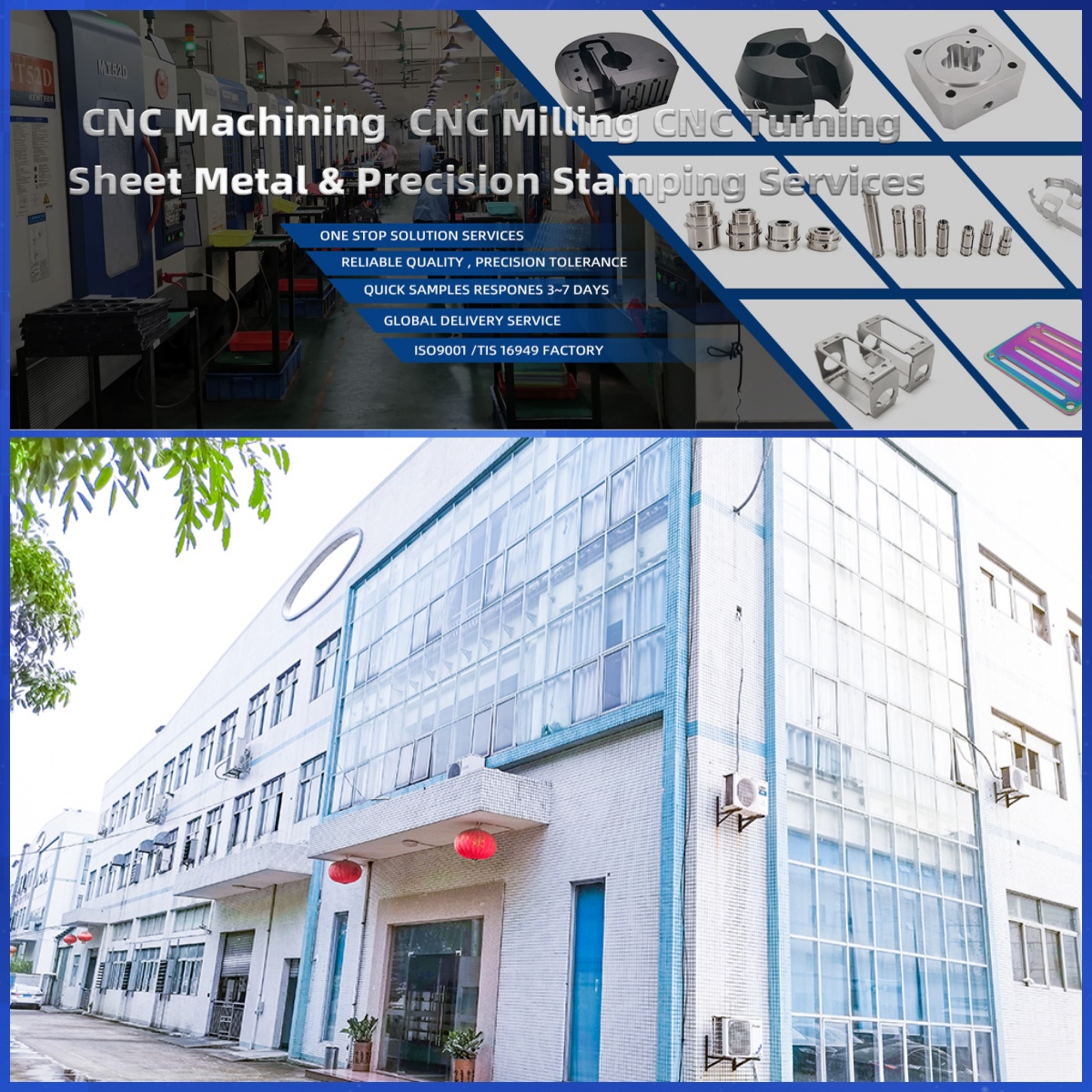
DongGuan YiTai Electronic Technologies Co.,Ltd
DongGuan YiTai Electronic Technologies Co.,Ltd is a manufacturing service provider located in Dongguan, China.
YiTai specialized in CNC turning machining and sheet metal fabrication mainly. As a member of Hung Mou Group, we focus on the overseas marketing development. And based on our parent company’s manufacturing capability and resources, YiTai also expended machining services such as die casting, injection molding, aluminum profile extrusion, 3D printing, which are committed to providing customers with one-stop purchasing services and experience.
CNC MACHINING , CNC MILLING , CNC TURNING , SHEETMETAL , FASTENER , OTHERS




Structure Weight Reduced by 46%: From Overweight to Mass Production of a Smart Robot Vacuum Base
How to Choose a Reliable Laser Machining Supplier | China Laser Cutting, Engraving & Welding Services
Related Article