The Buyer's Guide to Custom Sand Blasted Aluminum Parts: How to Avoid Costly Mistakes
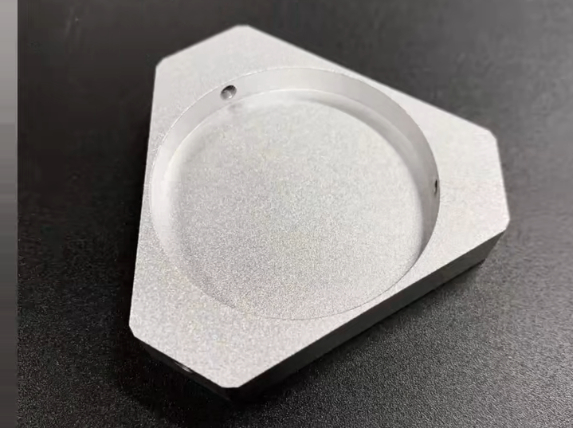
1. DFM Rules for Sand Blasted Aluminum
A good design makes sand blasting easy. A bad design causes rework or scrap. Follow these two rules.

1. Mark Blasting Areas and Surface Roughness Correctly
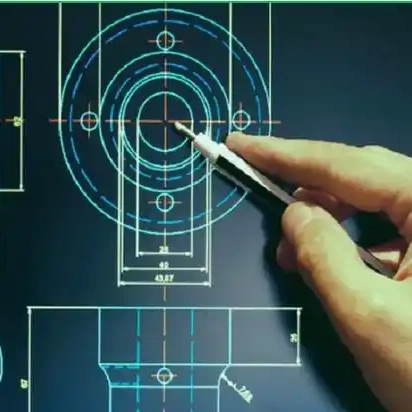
Not every part needs full blasting. Some areas must stay smooth. Some holes must stay clean. On your drawing, draw a dashed line around areas to blast. Write “Sand blast – Ra 1.6–3.2µm” . This tells the shop how rough to make the surface. Too rough (over 3.2µm) may hide fine features. Too smooth (under 1.6µm) wastes time.
2. Protect Threads and Precision Fits
Sand blasting removes material. It rounds sharp edges. It can change the size of holes and threads. If you have threaded holes, you have two choices.
-
Option A: Mask the thread with a screw or tape. The blast media never touches it.
-
Option B: Machine the thread after blasting. This is more work but keeps the thread perfect.
The same goes for press-fit holes and bearing bores. Always mask them. Or leave 0.1–0.2mm stock for a final pass after blasting.
2. 7 Hard Metrics to Check a Supplier's Blasting Ability
Not every shop with a sand blasting cabinet is good. Use these seven checks.
| No. | Check Item | What to Look For |
|---|---|---|
| 1 | Automatic blasting cabinet | Manual booths give uneven finish. Automatic robots (or indexed turntables) give consistent results. |
| 2 | HEPA dust collection | Without HEPA, dust stays on parts. Dust ruins the final look. |
| 3 | Multiple abrasive types | Aluminum oxide, glass bead, ceramic, walnut shell. A good shop has more than one. |
| 4 | Mesh size control (grit) | 80-grit is coarse. 120-grit is medium. 220-grit is fine. The shop must use the right grit. |
| 5 | Colorimeter (for uniform appearance) | Sand blasting can leave a gray or white cast. A colorimeter measures color shift. Ask for the ΔE value. Less than 1.0 is good. |
| 6 | Roughness tester (calibrated) | They must measure Ra before and after. The machine should have a current calibration certificate. |
| 7 | Sample photo or video | Ask to see a sample of their work on the same aluminum alloy (6061, 7075, etc.). |
If a supplier says no to any of these, be careful.
3. RFQ Tips – How to Ask Like a Pro
A good request for quote (RFQ) saves time. It stops confusion. It reduces hidden costs.
Clear Specifications – Abrasive Type and Grit
Write down these three things.
-
Abrasive material: Aluminum oxide (for matte finish), glass bead (for smooth satin), or ceramic (for heavy removal).
-
Grit size: 120-grit is the standard for most aluminum parts. It gives a uniform, light matte.
-
Desired Ra range: Example – “Ra 1.8 – 2.2µm measured after blasting.”
If you do not write these, the shop picks the cheapest method. You may not like the result.
How to Spot Hidden Blasting Costs
Some shops add fees after you place the order. Watch for these.
-
Masking fee: Charged per hole or per mask. This is normal if you have many holes. Ask for a price per part, not per mask.
-
Handling fee for small parts: Parts under 20mm may need special fixtures. Ask up front.
-
Minimum batch charge: Some shops charge a setup fee even for 10 parts. Ask for the “sample quantity” price.
-
Rush fee: Normal for fast delivery. But some shops add it without asking. Confirm the lead time.
Get everything in writing. A simple email quote is fine.
4. Why Choose a Supplier with Machining + Finishing In-House
Many buyers machine parts at one shop. Then they send the parts to another shop for sand blasting. This creates problems.
-
Blame game: The machine shop says the blasting shop ruined the threads. The blasting shop says the threads were already bad.
-
Shipping delay: Parts go back and forth. You pay freight twice.
-
Lost parts: Small parts get lost between shops.
DongGuan YiTai Electronic Technologies – One-Stop Shop
We do both. We CNC mill and turn your aluminum parts. Then we sand blast them in the same building. The same quality team checks everything.
-
Full control: We mask threads before blasting. We measure roughness on the same parts we machined.
-
Clear responsibility: If a part is bad, we fix it. No finger pointing.
-
Faster delivery: No shipping to another city. Parts go from machine to blasting to your box in one day.
Send us your drawing. We quote machining and blasting together. One price. One lead time.
5. Expert Insight: Blasting Does Not Fix Bad Machining
“I have seen buyers try to hide bad machining with sand blasting. They think a rough blast will cover tool marks. It will not. Deep cutter marks stay deep. Sand blasting only removes a few microns. It cannot fix a 0.05mm groove. The rule is simple: machine the part right first. Then blast for the finish. Blasting is the last 1% of work, not the first 50%.”
— Surface Finishing Lead, DongGuan YiTai Electronic Technologies
6. Frequently Asked Questions (FAQ)
Q: What is the best abrasive for sand blasting aluminum?
A: Glass bead gives a smooth, satin finish. It is the most common for cosmetic parts. Aluminum oxide gives a finer, matte finish. It is good for paint prep. Do not use garnet or steel grit. They are too aggressive and can warp thin aluminum.
Q: Does sand blasting change the size of my aluminum part?
A: Yes, but very little. Sand blasting removes about 0.002–0.008mm from the surface. For most parts, this does not matter. For press-fit or bearing bores, mask the surface or leave 0.01mm extra.
Q: How do I write a sand blasting spec on my drawing?
A: Write this in the notes.
“Sand blast all exposed surfaces except masked areas (threads, bearing bores). Use 120-grit glass bead. Achieve surface roughness Ra 1.8–2.2µm. Mask threads with silicone plugs.”
Q: Can I sand blast thin aluminum sheet (under 1mm)?
A: Be careful. Thin sheet can warp. Use low pressure (30–40 psi) and fine media (220-grit). Or use a chemical etch instead of blasting. For very thin parts, send a sample first.
Q: How do I check if my supplier did a good job?
A: Do three checks.
-
Visual: The color should be even. No swirl marks or shiny spots.
-
Tactile: Run your fingernail across the surface. It should feel like fine sandpaper, not sharp or rough.
-
Thread test: Screw a bolt into any threaded hole. It should turn smooth. No grit inside.
Q: Does DongGuan YiTai Electronic Technologies offer sand blasting for one prototype?
A: Yes. We do single parts and large batches. No minimum. We use programmable automatic cabinets for consistency. Send us your part. We will blast one sample for your approval first. Then we run the rest.
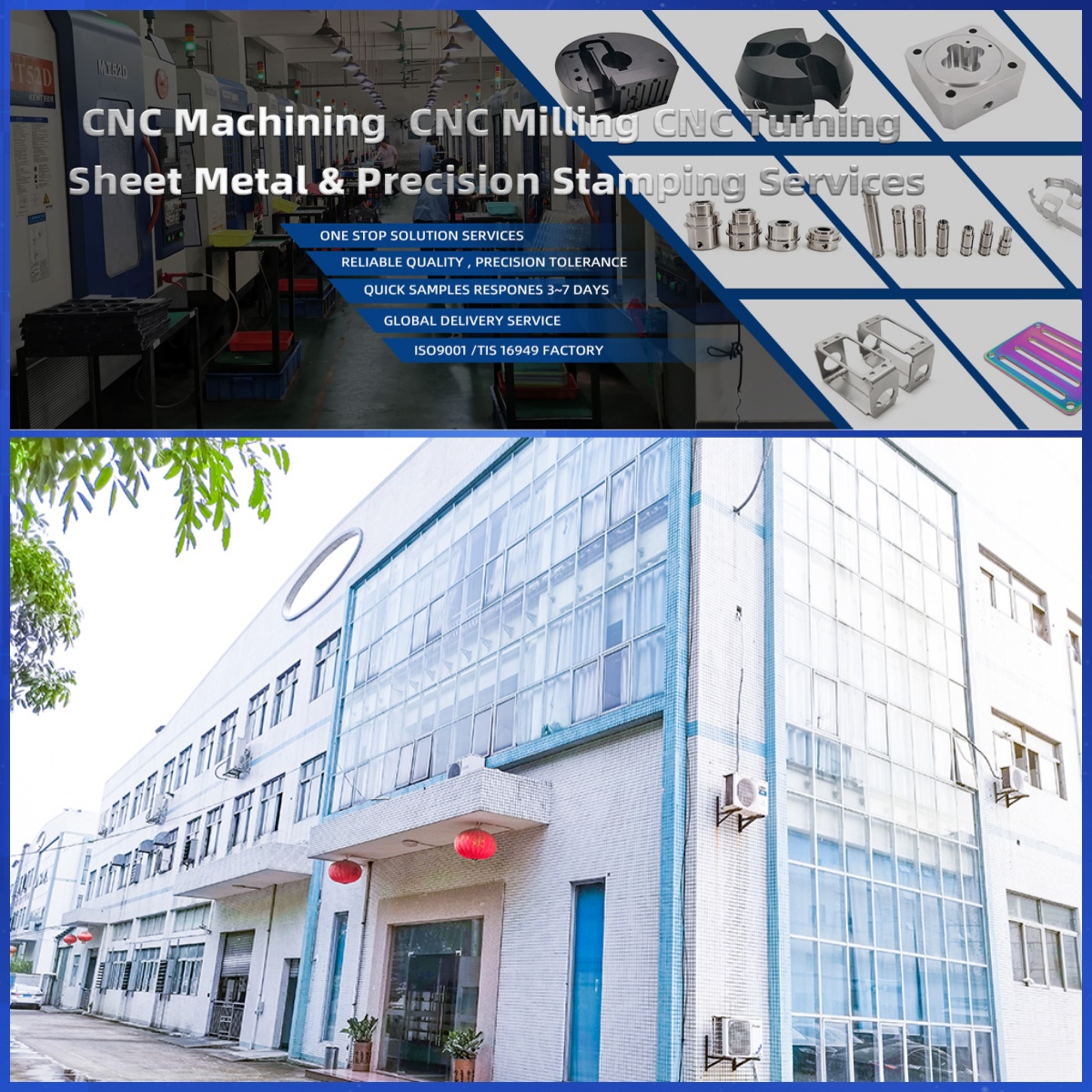
DongGuan YiTai Electronic Technologies Co.,Ltd
DongGuan YiTai Electronic Technologies Co.,Ltd is a manufacturing service provider located in Dongguan, China.
YiTai specialized in CNC turning machining and sheet metal fabrication mainly. As a member of Hung Mou Group, we focus on the overseas marketing development. And based on our parent company’s manufacturing capability and resources, YiTai also expended machining services such as die casting, injection molding, aluminum profile extrusion, 3D printing, which are committed to providing customers with one-stop purchasing services and experience.
CNC MACHINING , CNC MILLING , CNC TURNING , SHEETMETAL , FASTENER , OTHERS




Why Regulated Industries Like Aerospace and Medical See 5‑Axis Milling as a Manufacturing Lifeline
The Complete Guide to Custom Medical CNC Machining: Materials, Precision, and Industry Standards Explained
Related Article