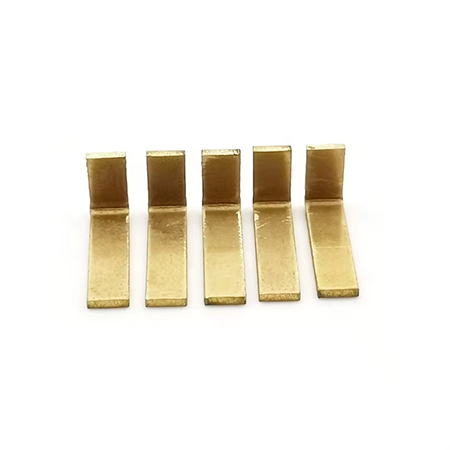
Surface Finishing Options for Red Brass and Yellow Brass: Achieving the Perfect Look for CNC Machined Parts

Brass is a popular material for CNC machined parts. It looks good and works well. But the real beauty of a brass part comes from its surface finish. The finish changes how the part looks and how long it lasts. This guide explains the many ways to finish red brass and yellow brass. We will help you pick the best option for your project.

1. The Natural Beauty of Brass: Why Finish Matters
A brass part comes off the CNC machine with a basic look. The surface finish is the final step. It can make the part shiny, smooth, textured, or colored. The right finish does two things. First, it protects the brass from air and water. This stops it from turning dark . Second, it creates the right look for the product. A good finish makes a simple part feel special and well-made.
1.1 How Composition Affects Base Color and Response to Finishing
Red brass and yellow brass are not the same. Their makeup is different. This changes how they look after finishing. Red brass has more copper. It usually contains about 85% copper and 15% zinc . This gives it a warm, reddish-brown color . Yellow brass has less copper. It is about 65% copper and 35% zinc . This makes it look yellowish or golden .
These different base colors change the final result. For example, a clear coating will look warmer on red brass and brighter on yellow brass. It is important to know your material first.
2. Mechanical Finishing Techniques
Mechanical finishing changes the surface by scraping, rubbing, or smoothing it. These methods create different textures and levels of shine.

2.1 As Machined: The Standard CNC Finish with Visible Tool Marks
This is the simplest finish. You use the part right after machining. There is no extra work. The surface will have small tool marks from the cutting process . It is a utilitarian look . This finish is good for parts where looks are not important. It is also a low-cost choice. But remember, raw brass can tarnish over time if not coated .
2.2 Polishing: Achieving a Mirror-Like, High-Gloss Surface
Polishing makes the surface very smooth and shiny. It creates a mirror-like, high-gloss finish . Workers use special wheels and compounds to buff the metal . This process removes small scratches and makes the brass reflect light . A polished finish looks classic and expensive . It is often used for decorative parts. However, polished surfaces show fingerprints and small scratches easily .
2.3 Brushing: Creating a Linear, Satin Texture for a Modern Look
Brushing gives the metal a textured look with fine lines. It is also called a satin finish . Workers use abrasive belts or wire brushes to create these linear patterns . The result is a soft, matte look with low glare . A brushed finish is very good at hiding fingerprints and water spots . This makes it perfect for parts people touch often, like handles and knobs. It has a modern and understated feel .
2.4 Tumbling / Vibratory Finishing: Smoothing Edges and Improving Uniformity
Tumbling is a way to finish many small parts at once. Parts are placed in a machine with abrasive stones and water. The machine vibrates or rotates. The stones rub against the parts. This process smooths sharp edges and makes the surface more uniform. It is great for deburring and improving the overall feel of a part . It does not create a high polish. Instead, it gives a consistent, matte surface.
3. Protective and Decorative Coatings
Coatings add a layer on top of the brass. They can protect the metal or change its color completely.
3.1 Clear Coating / Lacquering: Preserving the Natural Color and Preventing Tarnish
Brass naturally tarnishes when exposed to air . A clear coating or lacquer stops this. It seals the surface. It keeps the brass looking new and shiny for a long time . The clear layer preserves the natural color of the red or yellow brass underneath . This is a good choice for parts that need to stay bright without regular polishing.
3.2 Electroplating: Applying Thin Layers of Nickel, Chrome, or Gold
Electroplating uses electricity to coat the brass with a thin layer of another metal . Common plating metals are nickel, chrome, and gold . This changes both the look and the properties of the part. For example, chrome plating gives a bright, reflective surface that is very hard . Gold plating adds a luxurious look. Electroplating also improves corrosion and wear resistance .
3.3 Electroless Plating: Uniform Coating for Complex Geometries
Electroless plating is different from electroplating. It does not use electricity . Instead, it uses a chemical bath. The coating deposits evenly on all surfaces. This is very important for complex geometries with holes and deep grooves. The coating thickness is the same everywhere. It is not thicker on edges like with electroplating. This method provides a very uniform coating for protection or function .
3.4 Antiquing / Oxidizing: Creating an Aged or Patina Effect
Antiquing makes new brass look old. It uses chemicals to speed up the aging process. This creates a patina on the surface . The brass gets darker tones, often brown or black, in the recessed areas. The raised areas stay lighter. This creates depth and contrast. An antiqued finish has a timeworn, aged appearance . It is very popular for furniture hardware and decorative items.
4. Comparing Finishing Results on Red Brass vs. Yellow Brass
The base metal changes the final look. Here is how the two brasses react to different finishes.
4.1 How Red Brass's Warm Hue Influences Final Appearance
Red brass has a high copper content. Its natural color is a rich, reddish-brown . When you polish red brass, you get a deep, warm shine. It does not look like gold. It has its own unique, warm glow . When you apply a clear coat, this warm color stays protected. An antique finish on red brass looks very rich and dark. The high copper makes the shadows deeper.
4.2 How Yellow Brass's Brightness Affects Plated and Polished Finishes
Yellow brass is brighter to start with. It has a golden-yellow color . When polished, it looks very similar to 14K gold . It is very reflective and bright. This makes it a great choice for parts that need a luxurious, shiny look. When you plate yellow brass with chrome or nickel, the bright base can make the plated layer look even more vibrant. Yellow brass is often the first choice for decorative hardware because of this brightness .
4.3 Example Comparison: Polished Red Brass vs. Polished Yellow Brass
Let us look at a simple example. Imagine you have two identical parts. One is made of red brass, and one is made of yellow brass. You polish both to a high shine.
-
Polished Red Brass: The part will have a deep, warm, coppery shine. It looks rich and traditional. It is less flashy but feels substantial.
-
Polished Yellow Brass: The part will have a bright, golden, reflective shine. It looks more like real gold. It feels bright and eye-catching.
The choice depends on the feeling you want.
| Finish Property | Red Brass Result | Yellow Brass Result |
|---|---|---|
| Base Color | Reddish-brown, warm | Yellowish-gold, bright |
| Polished Look | Deep, warm, coppery shine | Bright, gold-like, reflective shine |
| Brushed Look | Warm, subtle, muted gold | Soft, light, satin gold |
| Clear Coated | Warm, natural red-gold tone | Bright, classic gold tone |
| Perceived Value | Unique, vintage, substantial | Classic, luxurious, traditional |
5. Selecting the Right Finish for Your Application
How do you choose? Think about how the part will be used.
5.1 Decorative Hardware: Brushed, Polished, or Antiqued?
For knobs, handles, and light fixtures, the look is key.
-
Choose polished brass for a formal, classic, shiny look .
-
Choose brushed brass for modern kitchens and baths. It hides fingerprints well .
-
Choose antiqued brass for a rustic, farmhouse, or vintage style .
5.2 Functional Components: When to Use Protective Coatings
For parts like valves, connectors, and fittings, protection is most important. These parts face water and air.
-
Use clear coating to stop tarnish and keep the part looking clean .
-
Use electroplating (like nickel) to add a hard, corrosion-resistant layer .
-
A simple as-machined finish might be okay for internal parts that no one sees .
5.3 Branding Considerations: Matching Finish to Product Identity
The finish should tell your brand's story.
-
A high-polish finish says luxury and elegance.
-
A brushed finish says modern and practical.
-
An antiqued finish says heritage and craftsmanship .
Pick a finish that matches what your brand stands for.
6. YiTai's Comprehensive Surface Finishing Services for Brass Parts
Getting the perfect finish requires skill and the right tools. YiTai can help you get it right.
6.1 Our Capabilities: From Basic Deburring to Advanced Electroplating
We offer a full range of services. We can do simple deburring and tumbling. We also do advanced work like electroplating and clear coating. We work with both red brass and yellow brass. Our team knows how each metal reacts to different finishes. We help you pick the best option for your budget and design.
6.2 Quality Control: Consistent Finish Across Production Runs
A good finish must be the same on every part. At YiTai, we have strict quality control checks. We make sure the color, texture, and thickness are consistent. Whether you order 100 parts or 10,000 parts, they will all look the same. This is key for building a reliable brand.
6.3 Contact YiTai to Discuss Your Finish Requirements and Request a Quote
Are you ready to start your project? Do you have a design and need advice on the best finish? Contact YiTai today. Tell us about your part and how you want it to look. We will give you a quote and a plan to make your parts perfect.
7. Frequently Asked Questions (FAQ)
Q1: What is the main difference between red brass and yellow brass?
A1: The main difference is the amount of copper. Red brass has more copper (about 85%) and less zinc. This gives it a reddish color. Yellow brass has less copper (about 65%) and more zinc. This gives it a golden color.
Q2: How do I stop my brass parts from tarnishing?
A2: The best way is to apply a clear coating or lacquer. This seals the metal from the air and stops it from darkening . Without a coating, brass will naturally develop a patina over time.
Q3: Which finish is best for hiding fingerprints?
A3: A brushed or satin finish is the best choice for hiding fingerprints, water spots, and small scratches. The textured surface hides smudges very well . Polished finishes show every fingerprint.
Q4: Can you apply a colored coating to brass parts?
A4: Yes. You can use electroplating to add thin layers of different colored metals like gold, chrome, or nickel . You can also use powder coating, which comes in many colors, to add a durable, colored layer.
Q5: Is red brass more expensive than yellow brass?
A5: Yes, generally red brass is more valuable and expensive. This is because it contains a higher percentage of copper, which is the more costly element in the alloy.
Q6: What does an "antiqued" finish look like?
A6: An antiqued finish makes the brass look old and worn. It has darker brown or black tones in the grooves and recesses, with lighter highlights on the raised areas. It creates a timeworn, aged appearance.
DongGuan YiTai Electronic Technologies Co.,Ltd
DongGuan YiTai Electronic Technologies Co.,Ltd is a manufacturing service provider located in Dongguan, China.
YiTai specialized in CNC turning machining and sheet metal fabrication mainly. As a member of Hung Mou Group, we focus on the overseas marketing development. And based on our parent company’s manufacturing capability and resources, YiTai also expended machining services such as die casting, injection molding, aluminum profile extrusion, 3D printing, which are committed to providing customers with one-stop purchasing services and experience.
CNC MACHINING , CNC MILLING , CNC TURNING , SHEETMETAL , FASTENER , OTHERS




When to Choose 3D Printing for Rapid Prototyping – And When to Switch to CNC Machining
How to Print on Metal: A Complete Guide to 5 Proven Techniques for Custom Parts
Related Article