How to Print on Metal: A Complete Guide to 5 Proven Techniques for Custom Parts
-
Technique #1: UV Digital Printing—The Modern Standard for High-Mix, Low-Volume
-
Technique #2: Screen Printing—The Workhorse for High-Volume, Simple Graphics
-
Technique #3: Pad Printing—Printing on Curved and Irregular Metal Surfaces
-
Technique #5: Heat Transfer Printing—Full-Color Images for Decorative Panels
1. Why Printing on Metal is Challenging—and How to Overcome It
Printing on metal is different from printing on paper or plastic. Metal does not soak up ink. This makes it hard to get the ink to stick. If the ink does not stick well, it will peel or scratch off later.
The Core Problem: Metal's Non-Porous, Reflective Surface
Metal surfaces are smooth and tight. There are no small holes for the ink to grab onto . Also, some metals are shiny. This can make printed colors look different depending on the light. You cannot just put ink on metal and hope it stays.
Key Success Factors: Surface Preparation, Ink Selection, and Curing
To get good results, you must follow three steps. First, you clean the metal. Sometimes you need to add a special coating to help the ink bond . Second, you pick the right ink for the job. Some inks need heat to dry. Others dry under UV light. Third, you cure the ink the right way. If you do not cure it, the print will fail.
| Technique | Best For | Durability | Color Quality | Cost Per Part (High Volume) |
|---|---|---|---|---|
| UV Digital Printing | Prototypes, custom enclosures | Good | Excellent (Full-Color) | Medium |
| Screen Printing | Control panels, simple logos | Excellent | Good (Solid Colors) | Low |
| Pad Printing | Curved parts, small areas | Good | Good (Simple Colors) | Medium |
| Chemical Etching | Serial numbers, industrial tags | Very High | None (Surface Mark) | High |
| Heat Transfer | Decorative panels, photos | Good | Excellent (Photo-Quality) | Medium |
2. Technique #1: UV Digital Printing—The Modern Standard for High-Mix, Low-Volume
This method is like using a desktop inkjet printer, but for metal. It is fast to set up and does not need expensive tools.
How It Works: CMYK + White Ink Layers and LED Curing
The printer sprays UV ink directly onto the metal. Right after, UV light flashes on the ink. This makes it dry instantly . For dark metals, the printer first lays down a layer of white ink. This lets the colors on top stay bright.
Best Applications: Custom enclosures, nameplates, prototypes
This method is good for short runs. If you need 10 custom front panels or a prototype part, UV printing is fast and cheap.
Pros and Cons: Speed, full-color capability, durability considerations
The good part is you can print full-color photos and complex designs. There is no setup cost. The bad part is the ink can crack if you bend the metal after printing.
Expert Insight: "For short runs, digital is the only way to go," says a senior finishing engineer at YiTai. "We can print a single custom panel without making screens or tools. It saves time and money for the customer. But for parts that need to bend after printing, we tell the client they must pick a different method."
3. Technique #2: Screen Printing—The Workhorse for High-Volume, Simple Graphics
Screen printing has been used for a long time. It is still the best choice for big jobs with simple designs .
How It Works: Mesh screens, squeegees, and specialty metal inks
A stencil is made on a fine mesh screen. Ink is placed on the screen. A squeegee pushes the ink through the open areas onto the metal . Each color needs its own screen.
Best Applications: Control panels, membrane switches, branding on flat surfaces
If you need 1,000 flat metal control panels with one or two colors, this is the right method. It works for both flat and curved parts if you build the right tool to hold them.
Ink Selection: UV metal inks for adhesion and chemical resistance
You must use the right ink. Epoxy inks or two-component inks are common. They stick well and resist chemicals . Some inks need to dry in a warm cabinet to speed up the process.
4. Technique #3: Pad Printing—Printing on Curved and Irregular Metal Surfaces
Some parts are not flat. Pad printing is made for these jobs.
How It Works: The silicone pad transfer process
A design is etched into a flat plate. A soft silicone pad presses onto the plate to pick up the ink. Then the pad presses onto the metal part. The soft pad bends to fit the shape of the part.
Best Applications: CNC-machined parts, cylindrical components, embossed logos
This method works well for round parts, parts with bumps, or deep holes. It is common for printing on tools, medical parts, and electronics .
5. Technique #4: Chemical Etching—Permanent Marks Without Ink
This method does not use ink at all. It changes the metal itself.
How It Works: Masking and acid etching for recessed graphics
A protective mask is put on the metal. The design areas are left open. The metal goes into an acid bath. The acid eats away the metal where it is not protected . This leaves a recessed mark that is part of the metal.
Best Applications: Industrial tags, serial numbers, deep engraving effects
Etching makes marks that last forever. They will not rub off. This is good for industrial tags and serial number plates that face harsh conditions.
6. Technique #5: Heat Transfer Printing—Full-Color Images for Decorative Panels
If you want a photo to look like it is inside the metal, this is the method.
How It Works: Dye sublimation or thermal transfer onto coated metal
First, the metal gets a special polyester coating. The design is printed on paper with special dye. A heat press pushes the paper against the metal. The heat turns the dye into a gas. The gas goes into the coating and stays there.
Best Applications: Decorative trim, promotional products, artistic panels
This makes very bright colors. It is used for photo prints on metal, signs, and awards . The image is inside the coating, so it will not scratch off.
7. How YiTai Metal Printing with Precision Fabrication

Printing is only one step. You also need to cut, bend, and machine the metal.
From CNC Machining to Final Print: One-Stop Solutions
At YiTai, we do everything in one place. First, we cut and form your part. Then, we print on it. You do not need to ship parts to another company for printing. This saves time and makes sure everything fits right.
Case Example: Printed front panels for medical devices
We often make parts for medical machines. These need precise holes and clear, long-lasting labels. We machine the aluminum panel, add the text and symbols using UV printing, and ship one complete part. This one-stop method reduces errors and lead time.
8. FAQ: Industry Common Questions
Q: What is the most durable way to mark metal?
A: Chemical etching and laser marking are the most durable. They change the metal surface itself. The mark will not wear away like ink can.
Q: Can you print white ink on metal?
A: Yes. UV digital printers can lay down a white layer first. This lets other colors show up bright, even on dark metal.
Q: Which printing method is cheapest for 10,000 parts?
A: Screen printing is usually the cheapest for very high volumes. The setup cost is spread out over many parts, making each part cost very little.
Q: How do you make ink stick to stainless steel?
A: You must clean the steel very well. Some methods use a primer or pre-treatment. Others use special inks made for metal, like epoxy inks.
Q: Can you print on a part that is already bent?
A: Yes. Pad printing is good for this. You can also build special fixtures to hold the curved part in place under a screen printer.
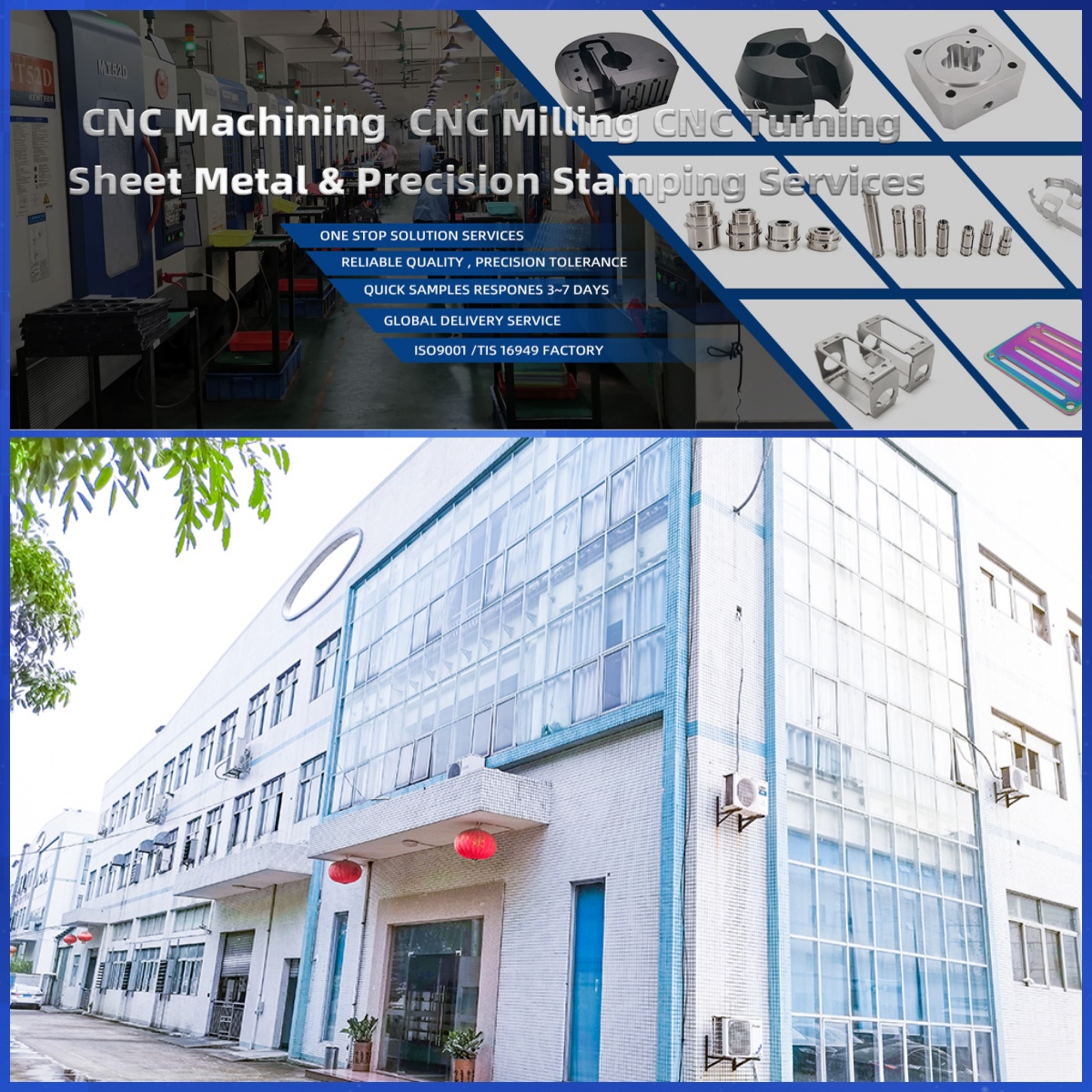
DongGuan YiTai Electronic Technologies Co.,Ltd
DongGuan YiTai Electronic Technologies Co.,Ltd is a manufacturing service provider located in Dongguan, China.
YiTai specialized in CNC turning machining and sheet metal fabrication mainly. As a member of Hung Mou Group, we focus on the overseas marketing development. And based on our parent company’s manufacturing capability and resources, YiTai also expended machining services such as die casting, injection molding, aluminum profile extrusion, 3D printing, which are committed to providing customers with one-stop purchasing services and experience.
CNC MACHINING , CNC MILLING , CNC TURNING , SHEETMETAL , FASTENER , OTHERS




Surface Finishing Options for Red Brass and Yellow Brass: Achieving the Perfect Look for CNC Machined Parts
Aluminum Gauge Selection for Manufacturers: A Practical Guide to Strength, Cost, and Lead Times
Related Article