The Ultimate Guide to Precision Turned Parts Manufacturers: How to Choose a Trusted CNC Machining Partner

This guide walks you through five steps. Each step helps you check if a manufacturer is the right fit. We look at machines, quality, materials, service, and past work. By the end, you will know what to ask. You will know what to look for.
-
Step 1: Check Manufacturing Capability – Machines and Technology
-
Step 2: Verify the Quality System – More Than an ISO Certificate
1. Step 1: Check Manufacturing Capability – Machines and Technology
A good precision turned parts manufacturer starts with the right machines. You need to know what they have. Not just how many machines. But what kind.
Swiss-Type vs CNC Lathe
These two machines do different jobs.
| Machine Type | Best For | Precision Level |
|---|---|---|
| Swiss-Type Lathe | Small, long, complex parts. Medical screws, shaft components. | High. ±0.005mm |
| CNC Lathe | Larger parts. Simple to medium complexity. | Good. ±0.01mm to ±0.02mm |
Swiss-type machines hold the bar close to the cutting tool. This stops the part from bending. It is the best choice for long and thin parts. A CNC lathe is good for bigger diameters and shorter lengths.
Multi-Axis Machining

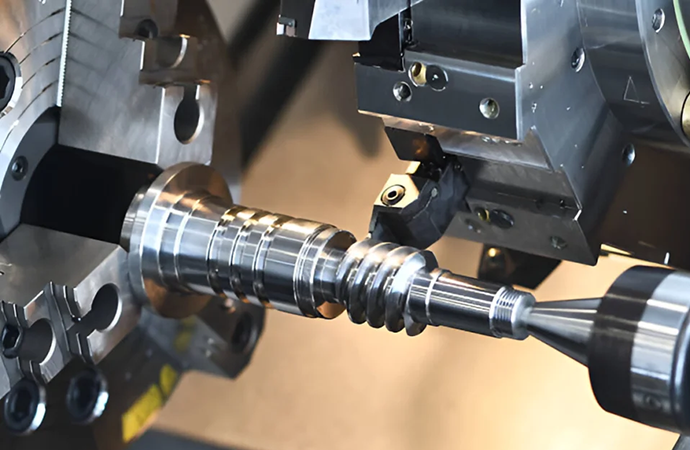
A mill-turn machine combines turning and milling in one setup. This is a big plus. The part goes in once. The machine does the turning. Then it does the milling. This keeps all features aligned. It also cuts lead time.
Equipment Scale and Automation
It's worth asking about the size of their machine fleet. A shop with limited equipment often has restricted capacity; if one machine goes down, your production halts. In contrast, a facility with more machines and automated bar feeders can run parts 24/7. This ensures faster delivery and much better reliability for your supply chain.
2. Step 2: Verify the Quality System – More Than an ISO Certificate
An ISO 9001 certificate is a good start. But it is not the whole picture. You need to see how they check quality every day.
Quality Control Process
A strong quality system covers every step.
-
Incoming Inspection: They check raw material before it goes to the shop floor.
-
In-Process Inspection: They check parts during machining. They catch issues early.
-
Final Inspection: Every part gets checked before it ships.
Inspection Equipment
Look for these tools in their quality lab.

-
Optical Measuring Machine: Checks small features and complex shapes fast.
-
CMM (Coordinate Measuring Machine): Checks 3D dimensions with high accuracy. (For more in-depth knowledge about CMM, click on this vlog)
-
Roughness Tester: Makes sure surface finish meets the spec.
Process Control
Good manufacturers do not just check parts. They control the process. They use SPC (Statistical Process Control) . They track CPK values. A CPK of 1.33 or higher means the process is stable. It will make good parts consistently.
3. Step 3: Look at Material and Surface Treatment Capabilities
A good partner handles more than just machining. They help you from raw material to finished part.
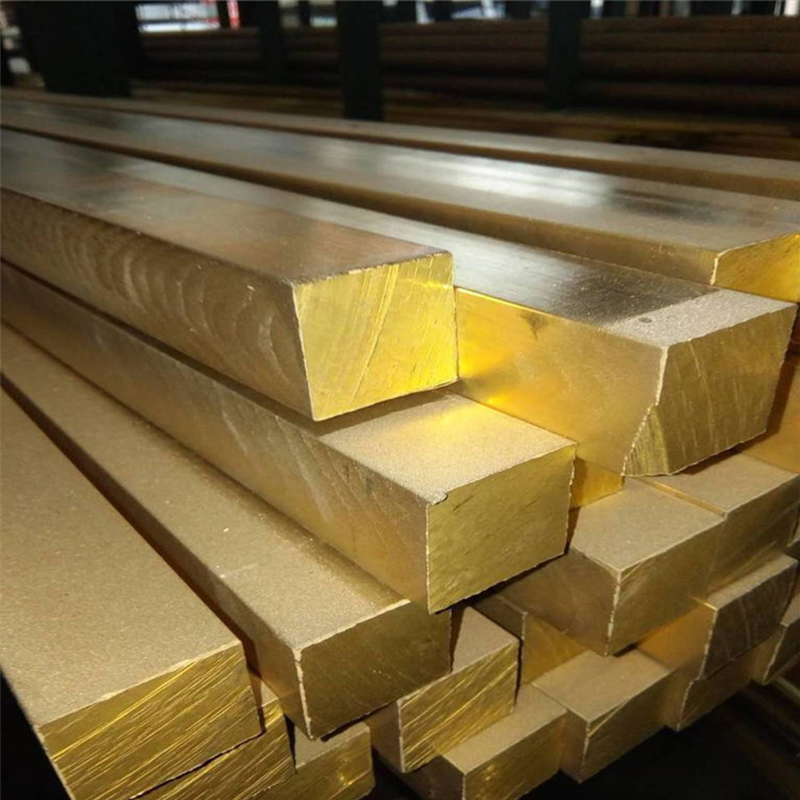
Material Supply Network
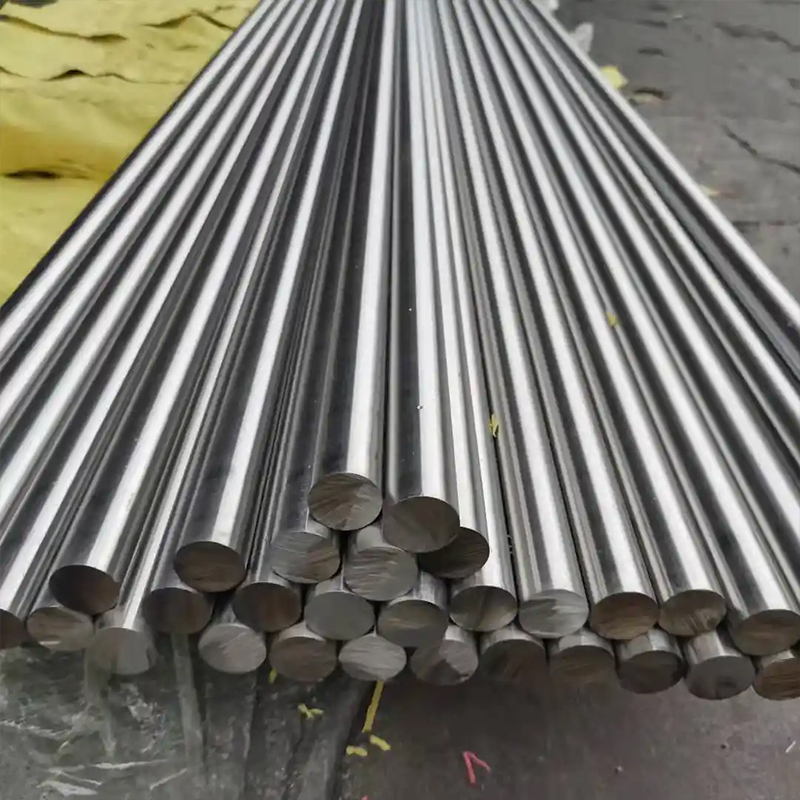
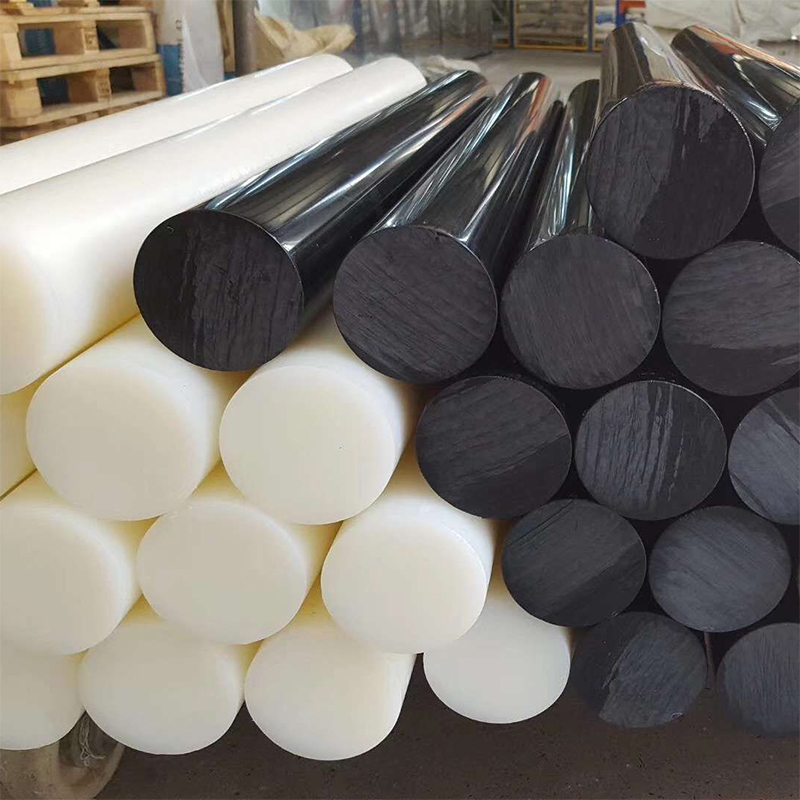
Ask if they can get the material you need. A strong supply network means they can source:
-
Stainless steel (303, 304, 316)
-
Aluminum (6061, 7075)
-
Brass and copper
-
Engineering plastics (PEEK, PTFE, Acetal)
If they have good suppliers, lead times stay short. If they struggle to get material, your project stops.

One-Stop Post-Processing
Sending parts to another shop for surface treatment adds time. It adds risk. A shop with in-house post-processing saves you both.
-
Anodizing for aluminum parts
-
Plating for corrosion resistance
-
Passivation for stainless steel
-
Heat treatment for strength
4. Step 4: Assess Service and Response Capability
Technical skill matters. But service matters just as much.
DFM Support
A trusted partner offers DFM (Design for Manufacturing) feedback. They look at your drawing before they quote. They tell you if a feature is hard to make. They suggest a better way. This saves you money. It saves you time.
Lead Times
Ask two questions.
-
How fast can you get a sample? A good shop delivers prototypes in 1 to 2 weeks.
-
What is the batch lead time? For production runs, 3 to 4 weeks is standard.
Communication and Technical Support
Response time matters. If you send an email, do they reply in hours or days? Do they speak your language? Do they have engineers who can answer technical questions? Fast, clear communication is a sign of a reliable partner.
5. Step 5: Review Customer Cases and Industry Reputation
Past work tells you what a shop can really do.
Industry Specialization
Different industries have different needs. Look for experience in your field.
-
Automotive: High volume, tight tolerances
-
Medical: Cleanliness, traceability, biocompatible materials
-
Aerospace: Strict certifications, exotic materials
-
Electronics: Small sizes, fine features
Client Relationships
Long-term relationships are a good sign. If a client stays for years, the shop is doing something right. Ask for references. Look at online reviews. See what other engineers say about their work.
6. Expert Insight: What Separates Good from Great
*“Many shops can make a part. But a great partner makes the part the right way. They catch problems before they happen. I remember a client who sent us a drawing with a very tight tolerance on a non-critical feature. We told them they could open it up. They saved 20% on the cost. The part worked the same. That is what DFM does. It is not just machining. It is thinking about how the part is used. That is the value we bring.”*
— Senior Sales Engineer, DongGuan YiTai Electronic Technologies
7. Frequently Asked Questions (FAQ)
Q: What is the difference between a Swiss-type lathe and a standard CNC lathe?
A: A Swiss-type lathe has a guide bushing. It holds the bar close to the tool. This stops the part from bending. It is best for long, thin parts. A standard CNC lathe holds the bar in a chuck. It is better for short parts or larger diameters.
Q: How do I know if a manufacturer has good quality control?
A: Look for three things. First, ask if they use CMM and optical inspection tools. Second, ask if they track SPC data. Third, ask if they do in-process inspections. Good shops check parts while they cut, not just at the end.
Q: Why is DFM feedback important?
A: DFM feedback saves money. A good manufacturer looks at your design and says, “This corner is hard to cut. Use a radius instead.” Or, “This tolerance is too tight for this material.” These changes lower cost and speed up delivery.
Q: How long should I expect for a prototype?
A: For a simple turned part, a good shop delivers prototypes in 5 to 10 business days. For more complex parts with milling and surface treatment, expect 2 to 3 weeks. If a shop says they need 4 weeks for a simple part, they may have capacity issues.
Q: Can one manufacturer handle both machining and surface treatment?
A: Yes. Some shops do it in-house. Others send it out. In-house is better. It cuts lead time. It also reduces the risk of lost parts or quality issues. Ask the shop if they control the full process or if they outsource.
DongGuan YiTai Electronic Technologies Co.,Ltd
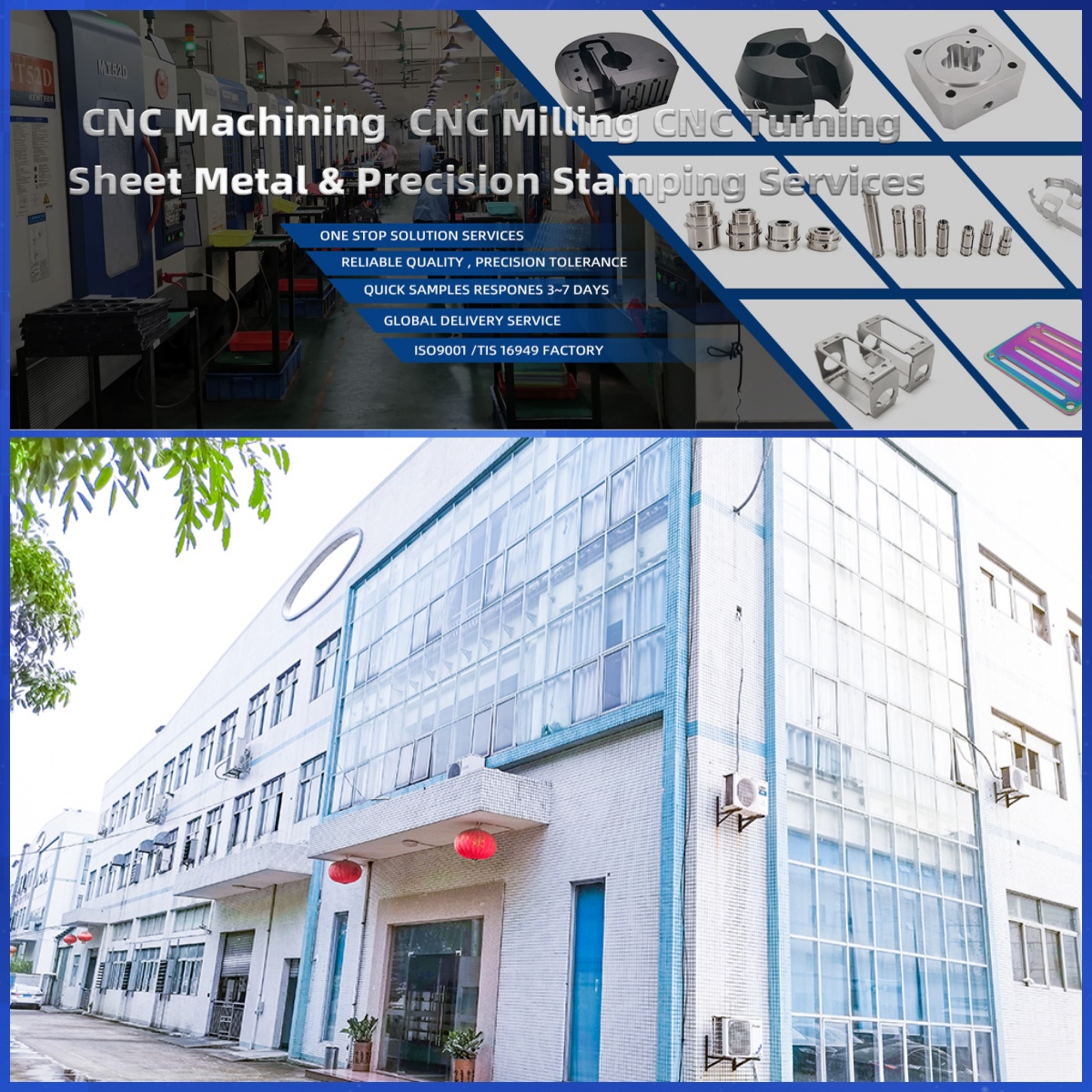
DongGuan YiTai Electronic Technologies Co.,Ltd is a manufacturing service provider located in Dongguan, China.
YiTai specialized in CNC turning machining and sheet metal fabrication mainly. As a member of Hung Mou Group, we focus on the overseas marketing development. And based on our parent company’s manufacturing capability and resources, YiTai also expended machining services such as die casting, injection molding, aluminum profile extrusion, 3D printing, which are committed to providing customers with one-stop purchasing services and experience.
CNC MACHINING , CNC MILLING , CNC TURNING , SHEETMETAL , FASTENER , OTHERS




Deconstructing Custom High‑Precision Transmission Shafts – Real Cost, Delivery, and Full Service Chain
From Function to Beauty: How Anodizing Customizes Surface Properties for CNC Brass & Copper Parts
Related Article