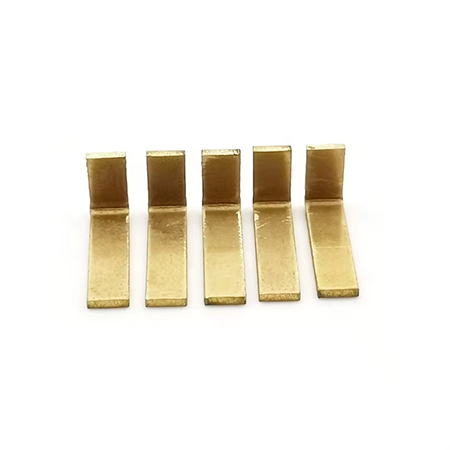
Differences between metal powder for MIM and metal powder for traditional PM
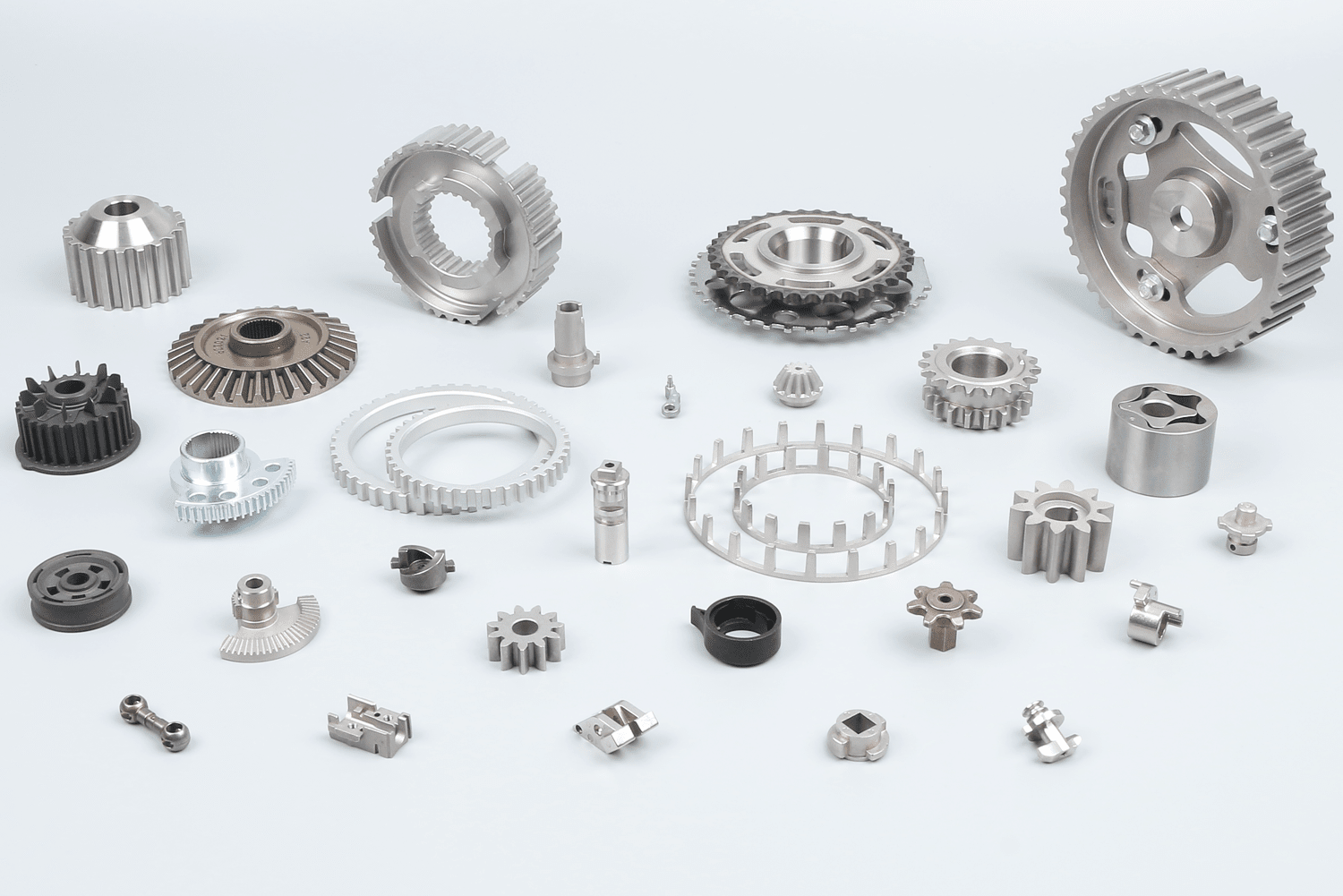
Exploring the difference between powder metallurgys and metal injection molding, industry experts highlight how these advanced manufacturing techniques offer unique solutions for producing complex metal components, with powder metallurgy focusing on compaction and sintering, while metal injection molding integrates plastic injection molding principles for intricate designs.
Differences between metal powder for MIM and metal powder for traditional PM
Although both MIM (metal injection molding) and traditional PM (powder metallurgy) are based on powder processing technology, there are significant differences in the requirements for metal powder between the two, mainly reflected in powder properties, process requirements and application scenarios. The following is a detailed comparison between the two:
1. Powder particle size
Purpose: Coarse particles are easy to cold press, reduce pressing resistance, and reduce the "elastic aftereffect" after demolding.
2. Powder shape
Spherical particles: The powder is required to be close to spherical to improve fluidity and filling density.
Irregular shape: mostly sponge-like, dendritic or irregular polygonal.
Reason: Irregular particles form "blank" strength through mechanical bite during pressing, which is convenient for subsequent demolding.
3. Powder fluidity
High fluidity requirements: It needs to be mixed with a binder to form a homogeneous feed, and its fluidity is similar to that of plastic.
Test standard: Commonly used Hall Flowmeter test, the flow rate must be less than 25 seconds/50g.
Lower fluidity requirements: It relies on mechanical pressure rather than flow filling during pressing, and only needs to meet basic filling properties.
4. Powder purity and composition
Alloying method: Mostly pre-alloyed powder (such as 17-4PH stainless steel) to ensure uniform composition after sintering.
Allow certain impurities: The performance can be adjusted through subsequent sintering or heat treatment.
Alloying method: Commonly used mixed element powder (such as Fe-Cu-C mixture), the cost is lower.
5. Process adaptability
Need to match the binder: The powder needs to be compatible with wax-based or polymer-based binders, and there is less residue after degreasing.
High sintering shrinkage: Because the powder is fine, the sintering shrinkage can reach 15-20%, and the mold needs to be precisely designed.
Pressure performance is prioritized: The powder needs to form a high-density green body under high pressure, and the shrinkage after pressing is low (about 1-3%).
6. Cost difference
High cost: The preparation of fine powder (such as gas atomization) is complex and energy-intensive; pre-alloyed powder is expensive.
Low cost: Coarse powder can be prepared by reduction or mechanical crushing, with a simple process and high raw material utilization.
7. Application scenarios
Complex small parts: such as medical devices (surgical forceps), 3C electronics (mobile phone card trays), clock gears, etc.
High-precision requirements: Part size tolerance can reach ±0.3%, surface roughness Ra<1.6μm.
Simple structural parts: such as automotive gears, bearing seats, lock parts, etc.
Low-cost and high-volume: Suitable for structural parts with low precision requirements (tolerance above ±0.5%).
8. Final part performance

9. Summary MIM powder:
Selection basis: If you pursue complex design, high precision and performance, choose MIM; if you need low-cost and fast mass production of simple parts, choose traditional PM.
DongGuan YiTai Electronic Technologies Co.,Ltd
DongGuan YiTai Electronic Technologies Co.,Ltd is a manufacturing service provider located in Dongguan, China.
YiTai specialized in CNC turning machining and sheet metal fabrication mainly. As a member of Hung Mou Group, we focus on the overseas marketing development. And based on our parent company’s manufacturing capability and resources, YiTai also expended machining services such as die casting, injection molding, aluminum profile extrusion, 3D printing, which are committed to providing customers with one-stop purchasing services and experience.
CNC MACHINING , CNC MILLING , CNC TURNING , SHEETMETAL , FASTENER , OTHERS




The Difference Between Rack Plating and Barrel Plating
The difference between powder metallurgy and injection molding
Related Article