Heat treatment process of powder metallurgy

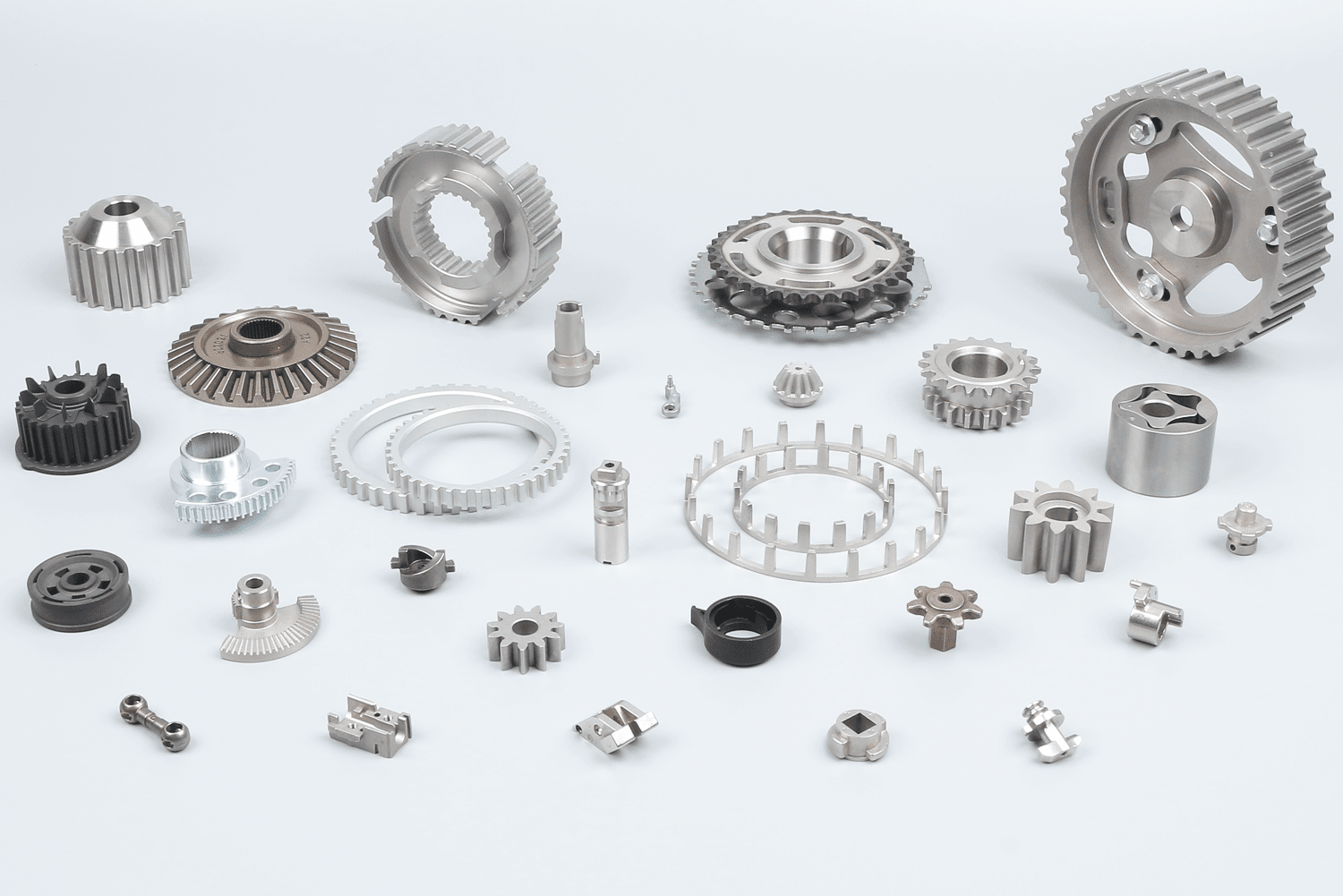
Powder metallurgy1 materials are increasingly used in modern industry. In the application of high-density and high-precision complex parts replacing forged steel parts, they have also achieved rapid development with the continuous advancement of powder metallurgy technology. However, due to the differences in subsequent processing technology, there are still some defects in its physical and mechanical properties. This article briefly explains and analyzes the heat treatment process of powder metallurgy materials, analyzes its influencing factors, and proposes strategies to improve the process.
01 Introduction
02 Heat treatment process of powder metallurgy materials
1. Quenching heat treatment process
In the heat treatment of powder metallurgy materials, in order to improve the hardenability, some alloy elements such as nickel, molybdenum, manganese, chromium, vanadium, etc. are usually added. Their role is the same as that in dense materials. They can significantly refine the grains. When they are dissolved in austenite, they will increase the stability of supercooled austenite, ensure the transformation of austenite during quenching, increase the surface hardness of the material after quenching, and increase the hardening depth. In addition, powder metallurgy materials must be tempered after quenching. The temperature control of tempering has a great influence on the performance of powder metallurgy materials. Therefore, the tempering temperature should be determined according to the characteristics of different materials to reduce the influence of tempering brittleness. General materials can be tempered in air or oil at 175-250℃ for 0.5-1.0h.
2. Chemical heat treatment process
The chemical heat treatment of powder metallurgy materials includes several forms such as carburizing, nitriding, sulfurizing and multi-element co-diffusion. In chemical heat treatment, the hardening depth is mainly related to the density of the material. Therefore, corresponding measures can be taken in the heat treatment process, such as: when carburizing, the time should be appropriately extended when the material density is greater than 7g/cm3. The wear resistance of the material can be improved by chemical heat treatment. The uneven austenite carburizing process of powder metallurgy materials can make the carbon content of the treated material surface reach more than 2%, and the carbides are evenly distributed on the surface of the carburized layer, which can well improve the hardness and wear resistance.
3. Steam treatment
4. Special heat treatment process

03 Analysis of factors affecting heat treatment of powder metallurgy materials
1. The impact of pores on the heat treatment process
It can be seen that hardenability decreases with the increase of porosity. On the other hand, pores also affect the density of the material, and the effect on the surface hardness and hardening depth of the material after heat treatment is related to the influence of density, which reduces the surface hardness of the material. Moreover, due to the presence of pores, salt water cannot be used as a medium during quenching to avoid corrosion caused by salt residue. Therefore, general heat treatment is carried out in a vacuum or gas medium.
2. The influence of porosity on the surface hardening depth during heat treatment
3. The influence of alloy content and type on powder metallurgy heat treatment
4. Effect of high temperature sintering
04 Conclusion
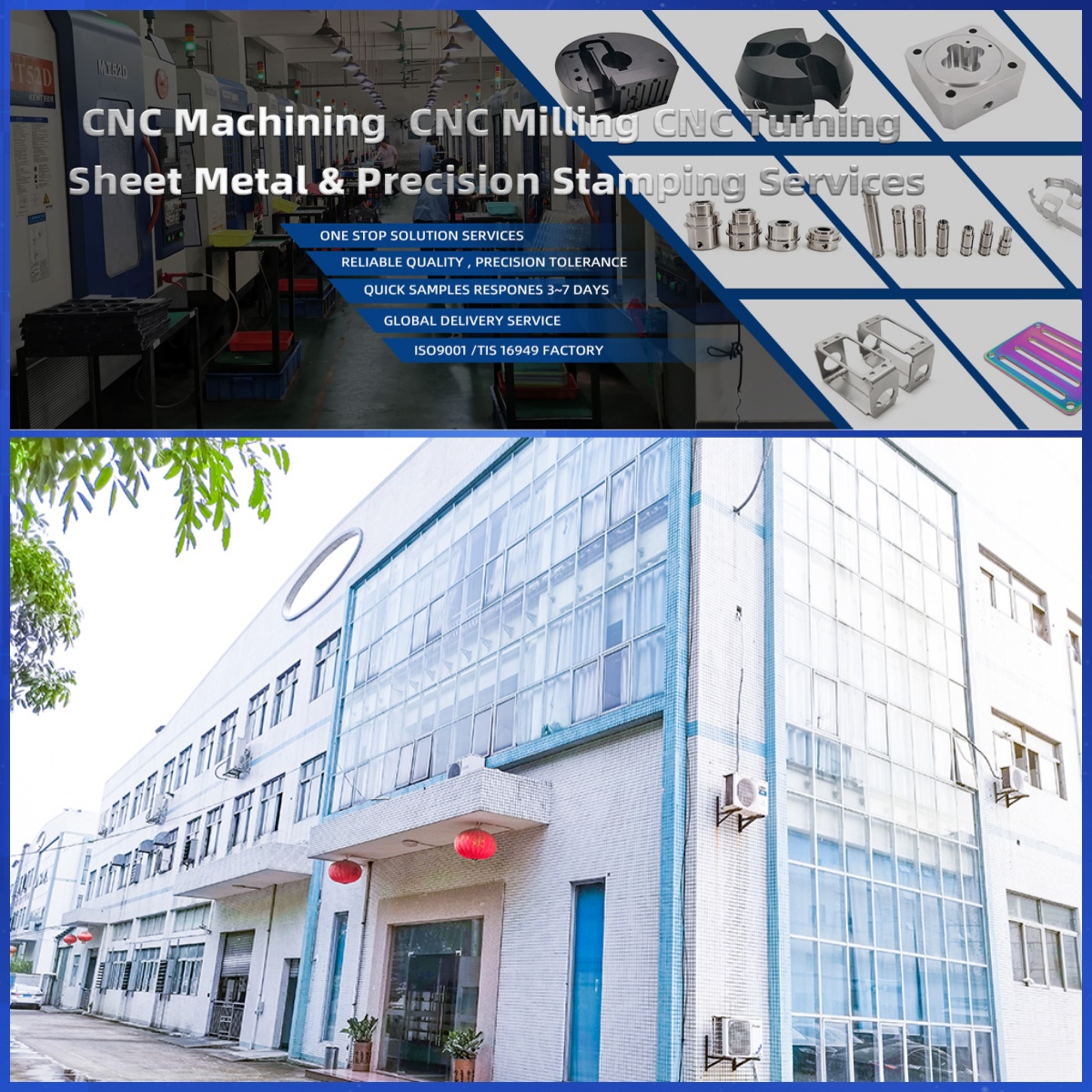
DongGuan YiTai Electronic Technologies Co.,Ltd
DongGuan YiTai Electronic Technologies Co.,Ltd is a manufacturing service provider located in Dongguan, China.
YiTai specialized in CNC turning machining and sheet metal fabrication mainly. As a member of Hung Mou Group, we focus on the overseas marketing development. And based on our parent company’s manufacturing capability and resources, YiTai also expended machining services such as die casting, injection molding, aluminum profile extrusion, 3D printing, which are committed to providing customers with one-stop purchasing services and experience.
CNC MACHINING , CNC MILLING , CNC TURNING , SHEETMETAL , FASTENER , OTHERS




The difference between powder metallurgy and injection molding
What is Powder Metallurgy?
Related Article