Anodizing vs Plating: Cost, Durability, and Applications Compared
1. What is the Role of Surface Treatment in Mechanical Processing Products?
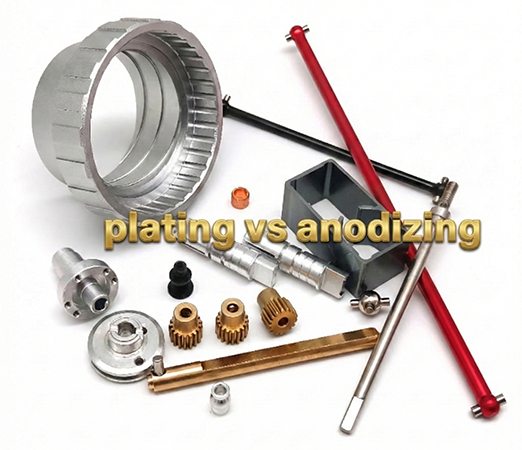
Surface treatment is a very important step in making mechanical parts. First, it protects the base material from rust, wear, and corrosion. Second, it can change how a part looks, giving it different colors or finishes. Also, it can change physical properties, like making a part harder or changing if it conducts electricity. So, picking the right surface treatment is key for the part's performance, life, and appearance.
2. Core Differences in Process Principles: Addition vs. Transformation
The main difference between plating and anodizing is how the protective layer is made.

2.1 Electroplating: "Adding" a Metal Layer
Electroplating uses electricity. The part is placed in a liquid solution with metal ions. Then, an electric current is applied. This makes metal ions stick to the part's surface. So, a new layer of metal, like nickel, zinc, or chromium, is added on top of the original part. The base material can be many types of metal, like steel or copper.
2.2 Anodizing: "Transforming" the Surface Layer
Anodizing is mainly for aluminum and titanium. The part is put in an acid bath and connected to an electrical circuit. This process converts the very top layer of the metal into a thick, strong oxide layer. So, the coating is not added on; it is created from the base material itself.
3. Physical Properties Showdown
These processes create coatings with different physical traits.

3.1 Wear Resistance
-
Hard Anodizing: Creates an extremely hard and thick oxide layer. It is great for parts that get a lot of friction.
-
Hard Chromium Plating: Also gives a very wear-resistant surface. It is often used on tools and hydraulic parts. The choice depends on the specific wear type and base material.
3.2 Electrical Conductivity
This is a key decision point.
-
Electroplating: Metal coatings like copper or nickel are good conductors. They are used for electrical contacts or EMI shielding.
-
Anodizing: The aluminum oxide layer is an excellent electrical insulator. It prevents electrical current from flowing.
Comparison Table: Key Parameters
| Property | Electroplating (e.g., Nickel) | Anodizing (Type III, Hard Coat) |
|---|---|---|
| Coating Thickness | 5 - 50+ µm | 25 - 100+ µm |
| Surface Hardness | 300 - 600 HV | 400 - 600 HV (can exceed 700 HV) |
| Electrical Conductivity | Conductive | Excellent Insulator |
| Corrosion Resistance | Good (depends on metal) | Very Good to Excellent |
| Base Material | Many Metals (Steel, Copper, etc.) | Primarily Aluminum, Titanium |
| Typical Applications | Gears, connectors, decorative trim | Aircraft parts, firearm components, heat sinks |
4. Visual and Aesthetic Differences
The look of the finished part is also very different.

4.1 Anodized Finish
Anodizing gives a characteristic matte or satin metal look. It has a subtle, non-reflective quality. Also, because the porous oxide layer can absorb dyes, anodized parts can be given many durable colors like black, red, blue, and gold.
4.2 Plated Finish
Plating usually gives a high-gloss, mirror-like shine. Think of chrome car parts or shiny bathroom fixtures. It looks very reflective and metallic. Plating colors are limited to the metal used, like the silver of nickel, yellow of gold, or blue-white of zinc.
5. How to Choose? Quick Decision Table
Ask yourself these questions:
| Your Requirement | Recommended Process | Main Reason |
|---|---|---|
| Must conduct electricity? | Electroplating | Metal coatings conduct current. |
| Need electrical insulation? | Anodizing | The oxide layer is a strong insulator. |
| Part is made of aluminum? | Anodizing | The process is designed for aluminum. |
| Need bright, reflective shine? | Electroplating | Provides a classic chrome-like finish. |
| Want vibrant, permanent colors? | Anodizing | Oxide layer can be dyed many colors. |
| Very high wear resistance needed? | Both (Hard Chrome or Hard Anodize) | Both offer excellent solutions; consult an expert. |
6. Expert Insights
We asked a lead engineer at Yitai Electronics about choosing a process. "Many people first think about looks or cost," she said. "But the first question should always be about function. If the part is aluminum and in an electrical assembly, anodizing might cause insulation problems. Or, if you need a wear-resistant surface on a steel shaft, hard chrome plating is the standard choice. Always start with the material and the job the part must do."
7. Frequently Asked Questions (FAQ)
Q1: Can you anodize steel?
No, anodizing mainly works for aluminum, titanium, and some other "valve" metals. For steel, other processes like plating or black oxide are used.
Q2: Which process is more durable?
Both are durable but in different ways. Hard anodizing is very hard and resists abrasion well. Plating like nickel or chrome provides a dense, corrosion-resistant barrier. The environment (salt water, chemicals, friction) decides which is better.
Q3: Is anodizing or plating more expensive?
Cost depends on part size, volume, and specs. Often, anodizing is cheaper for aluminum parts, especially in batch processing. Plating costs can vary with the price of the coating metal (like gold or nickel).
Q4: Can a part be both plated and anodized?
Generally, no. They are different processes for different materials. However, sometimes a part might have anodized aluminum housing with plated metal connectors attached to it.
Q5: How do I maintain parts with these finishes?
For both, use mild soap and water. Avoid harsh abrasive cleaners. Anodized finishes are very scratch-resistant. Plated finishes can be gently polished to maintain shine if they get dull.
DongGuan YiTai Electronic Technologies Co.,Ltd
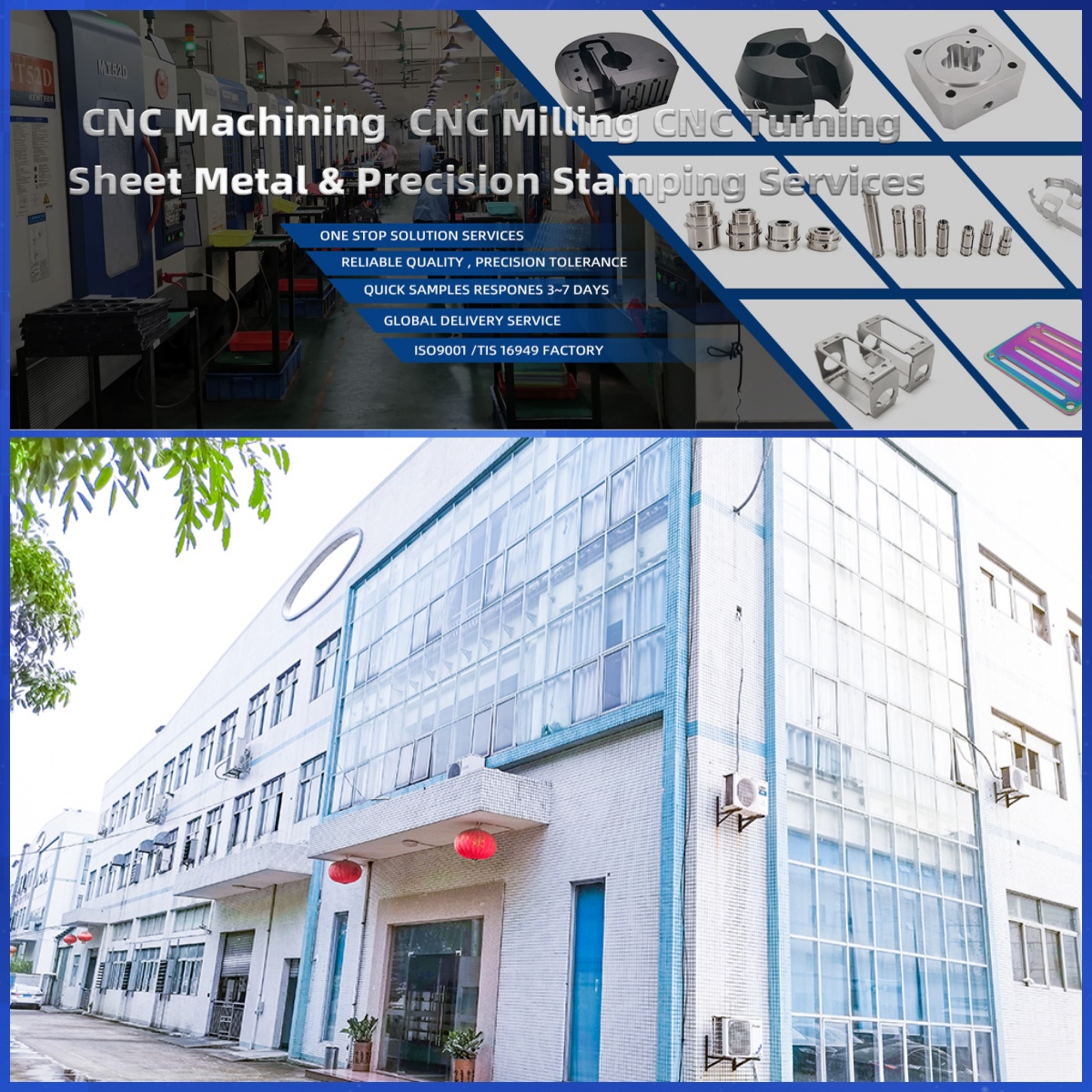
DongGuan YiTai Electronic Technologies Co.,Ltd is a manufacturing service provider located in Dongguan, China.
YiTai specialized in CNC turning machining and sheet metal fabrication mainly. As a member of Hung Mou Group, we focus on the overseas marketing development. And based on our parent company’s manufacturing capability and resources, YiTai also expended machining services such as die casting, injection molding, aluminum profile extrusion, 3D printing, which are committed to providing customers with one-stop purchasing services and experience.
CNC MACHINING , CNC MILLING , CNC TURNING , SHEETMETAL , FASTENER , OTHERS




Mastering GD&T: Achieving True Position and Flatness in Complex Assemblies
Conquering Work Hardening: Ensuring Dimensional Stability in Stainless Steel Parts
Related Article