
What is Passivation?
author: YITECH
2024-12-16
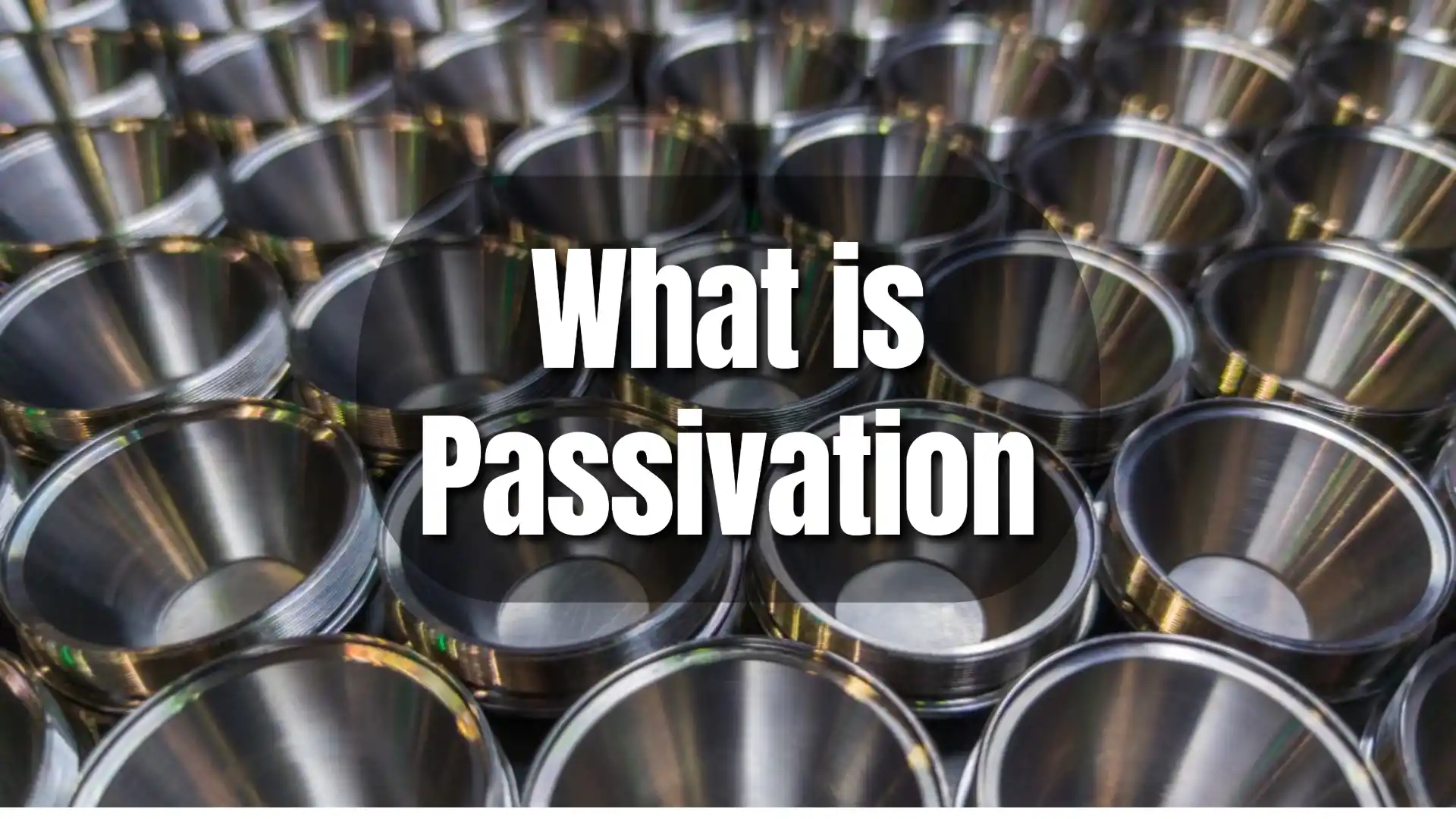
Our company offers high-quality metal parts that undergo a thorough passivation process to enhance their corrosion resistance and prolong their lifespan.
Passivation is a process of treating the surface of a metal with chemical or electrochemical methods to create a protective oxide layer. This oxide layer significantly enhances the metal's corrosion resistance, thus prolonging its lifespan. Passivation is commonly used for stainless steel, aluminum, and other alloy materials, and is an important anti-corrosion technology.
Chemical passivation is one of the main methods of passivation. It involves treating the metal surface with an acidic or alkaline solution to create a dense oxide layer. The process typically includes immersing the metal in an acidic solution such as nitric acid or chromic acid, followed by cleaning and drying. During this process, the chemical components in the acidic solution react with the metal surface to create a protective oxide layer. This layer effectively prevents oxygen and moisture from the external environment from directly contacting the metal, thus preventing further oxidation and corrosion.
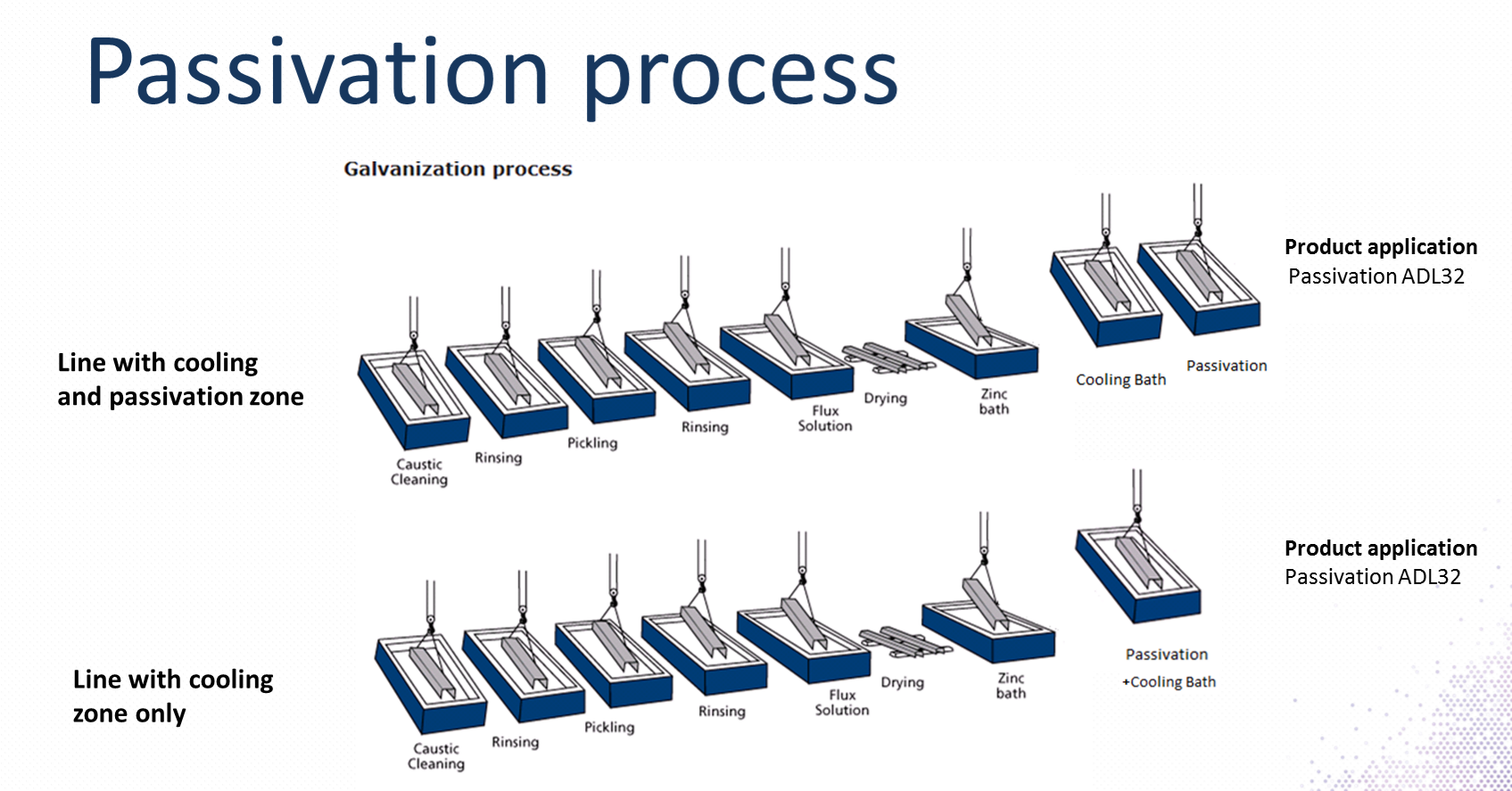
Electrochemical passivation is another common method of passivation. It involves applying an electrical current to the metal surface in an electrolyte solution containing passivating agents. The electrical current triggers electrochemical reactions on the metal surface, facilitating the formation of a protective oxide layer. The advantage of electrochemical passivation is that it can form a uniform and dense protective layer relatively quickly, with long-lasting passivation effects.
The properties of the passivation film are crucial to the passivation process. The passivation film is usually a very thin and uniform oxide layer, with a thickness ranging from a few to tens of nanometers. This oxide layer has high stability and density, effectively isolating oxygen and moisture and preventing oxidation on the metal surface. The formation of the passivation film greatly improves the metal's corrosion resistance, particularly under harsh environmental conditions.
Passivation is widely used in various industries such as aviation and aerospace, automotive, electronics, and construction. For instance, passivated stainless steel and aluminum alloy components in the aerospace industry have higher corrosion resistance, allowing them to remain stable under extreme conditions. Passivated metal components in automotive manufacturing can prolong their lifespan and reduce maintenance costs. Passivated electronic components have better durability and reliability. Passivation-treated stainless steel materials are widely used in building exteriors and decorative materials to prevent corrosion and prolong their lifespan.

In summary, passivation is an effective metal surface treatment technology that enhances corrosion resistance by forming a protective oxide layer. Whether through chemical passivation or electrochemical passivation, it plays an important role in modern industry and is widely used in various fields, greatly improving the lifespan and reliability of metal materials.
Chemical passivation is one of the main methods of passivation. It involves treating the metal surface with an acidic or alkaline solution to create a dense oxide layer. The process typically includes immersing the metal in an acidic solution such as nitric acid or chromic acid, followed by cleaning and drying. During this process, the chemical components in the acidic solution react with the metal surface to create a protective oxide layer. This layer effectively prevents oxygen and moisture from the external environment from directly contacting the metal, thus preventing further oxidation and corrosion.
Electrochemical passivation is another common method of passivation. It involves applying an electrical current to the metal surface in an electrolyte solution containing passivating agents. The electrical current triggers electrochemical reactions on the metal surface, facilitating the formation of a protective oxide layer. The advantage of electrochemical passivation is that it can form a uniform and dense protective layer relatively quickly, with long-lasting passivation effects.
The properties of the passivation film are crucial to the passivation process. The passivation film is usually a very thin and uniform oxide layer, with a thickness ranging from a few to tens of nanometers. This oxide layer has high stability and density, effectively isolating oxygen and moisture and preventing oxidation on the metal surface. The formation of the passivation film greatly improves the metal's corrosion resistance, particularly under harsh environmental conditions.
Passivation is widely used in various industries such as aviation and aerospace, automotive, electronics, and construction. For instance, passivated stainless steel and aluminum alloy components in the aerospace industry have higher corrosion resistance, allowing them to remain stable under extreme conditions. Passivated metal components in automotive manufacturing can prolong their lifespan and reduce maintenance costs. Passivated electronic components have better durability and reliability. Passivation-treated stainless steel materials are widely used in building exteriors and decorative materials to prevent corrosion and prolong their lifespan.

In summary, passivation is an effective metal surface treatment technology that enhances corrosion resistance by forming a protective oxide layer. Whether through chemical passivation or electrochemical passivation, it plays an important role in modern industry and is widely used in various fields, greatly improving the lifespan and reliability of metal materials.
If you need passivation service or you are looking for passivation products, please feel free to contact us!
How to choose the right material for CNC machined parts?
What is the Difference between Chrome Plating, Nickel Plating and Zinc Plating?
Related Article

Choosing between 316 and 316L? 316L resists weld decay better, 316 holds strength at higher heat. Both food-grade, both marine-grade. Quick, no-fluff breakdown.
316 vs 316L Stainless Steel for CNC Machining
What is stamping and when do you use it? A plain guide to sheet metal stamping, dies, and progressive tools, plus the parts it makes faster than machining.
What Is Stamping in Metal Manufacturing?

