Unveiling Stainless Steel Passivation: The Key Chemical Step After CNC Machining That Gives Precision Parts a Self‑Healing Corrosion‑Protection Film
1. The Science and Engineering Value of Passivation
Stainless steel gets its rust resistance from chromium. The chromium reacts with oxygen to form a very thin, invisible layer of chromium oxide (Cr₂O₃) . This layer is only a few atoms thick. But it stops oxygen and water from reaching the iron in the steel. If this layer gets scratched, it normally heals itself in air.
What Passivation Does – Selective Dissolution
Passivation is a chemical treatment. The part goes into an acid bath (nitric or citric acid). The acid dissolves free iron and iron oxides from the surface. It does not attack the chromium. What remains is a surface that is rich in chromium. When the part comes out of the bath and dries, the chromium reacts with oxygen. It forms a new, thicker, and more complete chromium oxide layer. This layer is the protective film.
Why CNC Machining Destroys the Passive Layer
A CNC machined part looks clean. But the cutting tool leaves behind tiny iron particles. The tool itself can transfer iron to the part. Grinding and deburring also leave residues. These iron particles sit on the surface. They rust. They also block the chromium from forming a good oxide layer. So a brand‑new stainless part can show rust spots within days. Passivation removes these contaminants and lets the steel protect itself.
Passivation vs Rust Preventive Oil vs Plating
These three methods are often confused. They are very different.
-
Rust preventive oil: This is a temporary coating. It washes off. It provides no long‑term protection.
-
Plating (like nickel or zinc): This adds a new metal layer on top. It changes the appearance and the dimensions.
-
Passivation: This does not add anything. It does not change the size. It simply removes the bad stuff and lets the steel form its own protective film. It activates the material's natural corrosion resistance.
2. Main Passivation Processes and Specification Systems
Two main acid types are used for passivation. Both are recognized by industry standards.
Nitric Acid Passivation – The Traditional Standard
Nitric acid has been used for decades. It is a strong oxidizer. It works well on all stainless steel grades. It is specified in ASTM A967 and AMS 2700 . The part is immersed in a nitric acid solution at a set temperature for a set time. After the bath, the part is rinsed and dried.
Citric Acid Passivation – Safer and Greener
Citric acid is a newer option. It is less hazardous to handle. It does not produce toxic fumes (NOx). It is also easier to dispose of. Citric acid passivation is also covered by ASTM A967 and AMS 2700. Studies show that the protective layer formed by citric acid is very similar to that formed by nitric acid. For medical and food parts, citric acid is often preferred because it is cleaner and leaves no toxic residues.
Passivation Grades – From Light Cleaning to Heavy Duty
The standards define different classes or types. A mild passivation (like a simple citric acid dip) removes light oils and dirt. A more aggressive treatment (higher concentration, higher temperature, longer time) removes heavier scale and embedded iron. The right grade depends on the steel type and the surface condition.
The table below compares the two main processes.
| Feature | Nitric Acid Passivation | Citric Acid Passivation |
|---|---|---|
| Standard | ASTM A967, AMS 2700 | ASTM A967, AMS 2700 |
| Chemical | Nitric acid (HNO₃) | Citric acid (C₆H₈O₇) |
| Safety | Toxic fumes, strong acid | Safe, non‑toxic, no fumes |
| Effectiveness | Very good on all grades | Very good, similar to nitric |
| Best for | General industrial, aerospace | Medical, food, cleanroom |
| Disposal | Complex (neutralization) | Easier (biodegradable) |
3. How Passivation Affects Key Properties of CNC Parts
Passivation changes only the chemistry of the surface. It does not change the shape or size of the part.

Salt Spray Test – A Big Jump in Corrosion Resistance
The salt spray test (ASTM B117) measures how long a part resists rust. A non‑passivated stainless part may show rust in 24‑48 hours. A properly passivated part can last 96 hours or more without rust. For high‑grade passivation, parts can last hundreds of hours. This is a huge improvement for parts used outdoors or near salt water.
Dimensional Accuracy and Surface Roughness – No Change
Passivation is a chemical reaction. It removes only a microscopic layer of material. It does not change the part’s dimensions. It also does not change the surface roughness. A hole that measures 10.000mm before passivation will still measure 10.000mm after. This is critical for precision CNC parts with tight tolerances. The part geometry stays exactly as machined.
The table below summarizes the effects.
| Property | Effect of Passivation |
|---|---|
| Salt spray resistance | Increases significantly (from hours to days) |
| Dimensional tolerance | No change (microns, if any, are negligible) |
| Surface roughness (Ra) | No change |
| Appearance | Bright, clean, matte finish |
| Weldability | Improves (removes contaminants) |
4. Expert Insight: Passivation Is Not a Coating, It Is a Reset
“I see many people think passivation is like painting or plating. It is not. It is a reset button for the stainless steel surface. The steel already has the ability to resist rust. But machining covers that ability with iron and dirt. Passivation washes that dirt away. The steel then builds its own shield. No added layer. No added thickness. That is why passivation is so valuable for precision parts. You get the corrosion resistance without changing the size.”
— Surface Finishing Engineer, DongGuan YiTai Electronic Technologies
We Seamlessly Combine CNC Precision Machining with Professional Stainless Passivation
At DongGuan YiTai Electronic Technologies , we machine your stainless steel parts to tight tolerances. Then we passivate them in our controlled chemical line. We follow ASTM A967 and AMS 2700 standards. We use both nitric and citric acid processes. We also test the results with water immersion or salt spray tests.
You get a finished part that is ready to install. No rust. No size change. Just a clean, protected surface.
Send us your drawing and material grade. We will recommend the right passivation process and give you a full quote.
5. Frequently Asked Questions (FAQ)
Q: Is passivation the same as pickling?
A: No. Pickling removes heavy scale and weld discoloration. It uses stronger acids and removes more material. Passivation removes only free iron and light contaminants. Pickling is usually done before passivation on welded parts.
Q: Does passivation work on all stainless steel grades?
A: Yes. It works on 300 series (304, 316), 400 series (410, 430), and precipitation hardening grades (17‑4PH). The acid type and time may change based on the grade. We adjust the process for your specific alloy.
Q: How do I specify passivation on my drawing?
A: Write a note: “Passivate per ASTM A967, Method 2 (citric acid). Verify by water immersion test – no rust after 24 hours.” For aerospace, write “Passivate per AMS 2700, Method 1 (nitric), Class 2.” Be specific.
Q: Can I passivate a part that has been welded?
A: Yes. But welding leaves heavy oxide (heat tint). You must pickle or mechanically clean the weld area first. Then passivate the whole part. Passivation alone cannot remove heavy scale.
Q: Does passivation leave a visible change?
A: The part looks cleaner and brighter. It may have a slightly matte or satin finish. The color does not change. It will look like a freshly machined part, but without the dullness from contaminants.
Q: Does DongGuan YiTai Electronic Technologies offer passivation for medical or food parts?
A: Yes. We use citric acid passivation for medical and food‑contact parts. It is safe and leaves no toxic residues. We also provide full documentation for FDA or ISO 13485 compliance. Contact us with your requirements.
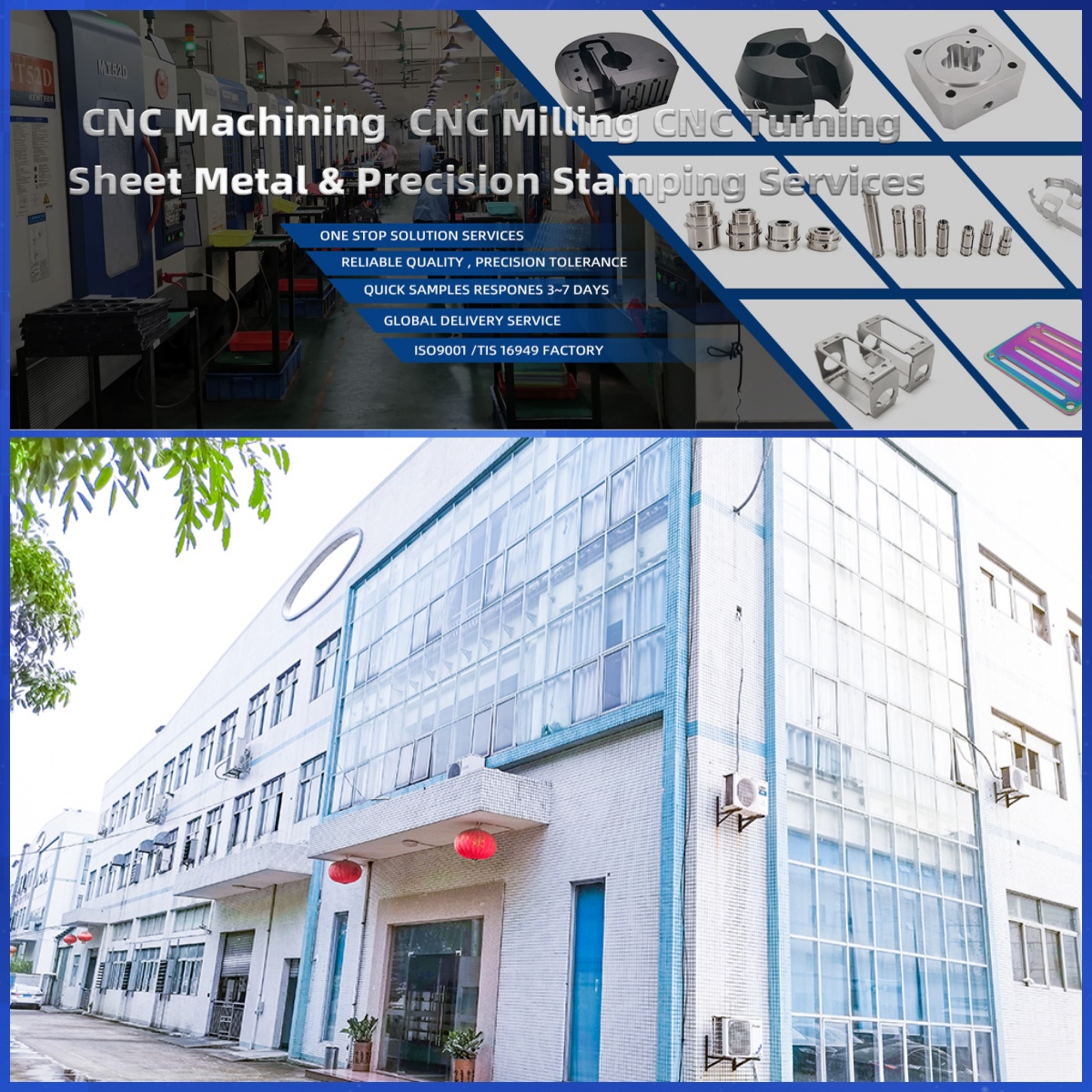
DongGuan YiTai Electronic Technologies Co.,Ltd
DongGuan YiTai Electronic Technologies Co.,Ltd is a manufacturing service provider located in Dongguan, China.
YiTai specialized in CNC turning machining and sheet metal fabrication mainly. As a member of Hung Mou Group, we focus on the overseas marketing development. And based on our parent company’s manufacturing capability and resources, YiTai also expended machining services such as die casting, injection molding, aluminum profile extrusion, 3D printing, which are committed to providing customers with one-stop purchasing services and experience.
CNC MACHINING , CNC MILLING , CNC TURNING , SHEETMETAL , FASTENER , OTHERS




Understanding the Role of 100% Inspection in CNC Precision Manufacturing: From Inspection Tools to a Complete Quality Assurance System
Buying A36 Carbon Steel Parts – How to Select a CNC Supplier and Ensure Qualified Delivery of Cost‑Effective Precision Parts
Related Article