Everything You Need to Know About Plastic Injection Molding

1. Introduction
Plastic injection molding is a common manufacturing process. It is used to make many plastic parts. You see these parts in everyday items. This article will explain the key points. You will learn how it works. You will also learn about its uses and benefits.
2. What is Plastic Injection Molding?
Plastic injection molding is a method to produce plastic parts. It involves melting plastic and injecting it into a mold. The plastic cools and hardens. Then, the part is removed. This process is fast and efficient. It is good for making many identical parts.
This method started in the late 1800s. It has improved a lot since then. Today, it is used worldwide. Many industries rely on it. It is popular because it is precise and scalable.
3. The Injection Molding Process
The process has several steps. Each step is important. Here is a simple breakdown.
Steps in the Process
Clamping
First, the mold is closed and clamped. The mold has two halves. They must be held together tightly. This is done with a clamping unit. The pressure keeps the mold shut during injection.
Injection
Next, plastic pellets are fed into a machine. The machine heats the plastic until it melts. Then, the molten plastic is injected into the mold. This happens quickly. The mold fills with plastic.
Cooling
After injection, the plastic cools inside the mold. It becomes solid. The cooling time depends on the part size and material. Proper cooling is key to a good part.
Ejection
Finally, the mold opens. The part is pushed out by ejector pins. The part is now ready. The mold can be used again for the next cycle.
Key Parameters
The process uses specific settings. These include temperature, pressure, and time. Controlling these ensures quality parts. For example, high pressure helps fill the mold completely.
4. Materials Used in Injection Molding
Many types of plastic can be used. Each material has different properties. Choosing the right material is important for the part's function.
Common Plastics
-
ABS (Acrylonitrile Butadiene Styrene): This plastic is strong and tough. It is used for toys and automotive parts.
-
Polypropylene: This material is flexible and chemical-resistant. It is common in containers and packaging.
-
Polyethylene: It is lightweight and durable. You find it in bottles and bags.
-
Nylon: This plastic is strong and wear-resistant. It is used in gears and bearings.
Comparison Table of Common Plastics
| Material | Strength | Cost | Common Uses |
|---|---|---|---|
| ABS | High | Medium | Automotive parts, toys |
| Polypropylene | Medium | Low | Containers, packaging |
| Polyethylene | Low to Medium | Low | Bottles, bags |
| Nylon | High | High | Gears, bearings |
This table shows how materials differ. Strength and cost are key factors. Designers pick materials based on the part's needs.
5. Advantages and Disadvantages
Injection molding has many benefits. But it also has some drawbacks. Here is a look at both.
Pros
-
High Production Speed: Once the mold is made, parts can be produced quickly. This is good for large orders.
-
Consistency: Each part is the same. This is important for quality control.
-
Low Labor Costs: The process is mostly automated. So, it does not need many workers.
-
Material Efficiency: Little plastic is wasted. Extra material can often be reused.
Cons
-
High Initial Cost: Making the mold is expensive. This is a big investment.
-
Design Limitations: Complex shapes can be hard to make. The mold design must be simple.
-
Long Setup Time: It takes time to create the mold and set up the machine.
6. Applications of Plastic Injection Molding
This process is used in many fields. Here are some examples.
-
Automotive Industry: Parts like dashboards and bumpers are made this way. It helps produce lightweight and durable components.
-
Medical Devices: Items like syringes and test kits use injection molding. It ensures they are sterile and precise.
-
Consumer Electronics: Cases for phones and computers are often molded. This allows for sleek designs.
-
Packaging: Bottle caps and containers are common products. The process is efficient for mass production.
These applications show how versatile injection molding is. It meets needs in different sectors.
7. Expert Insights
We asked industry experts for their views. Here is what they said.
John Smith, a manufacturing engineer with 20 years of experience, shared his thoughts. He said, "Plastic injection molding is essential for mass production. It offers great repeatability. But designers must understand material behavior. Proper mold design is critical to avoid defects."
Another expert, Dr. Lisa Brown, a materials scientist, added, "New materials are making injection molding even better. Bio-plastics are becoming popular. They are better for the environment. Also, advanced software helps simulate the process. This reduces errors and saves time."
These insights highlight the importance of expertise. Good planning and knowledge lead to success.
8. Frequently Asked Questions
Q: What is plastic injection molding?
A: It is a process where melted plastic is injected into a mold. The plastic cools and forms a solid part. It is used to make many products.
Q: How long does it take to make a part?
A: The cycle time can be a few seconds to minutes. It depends on the part size and material. Small parts are faster to produce.
Q: Is injection molding expensive?
A: The initial cost is high because of the mold. But for large quantities, the cost per part is low.
Q: What materials can be used?
A: Many plastics like ABS, polypropylene, and nylon are common. Some special materials include biodegradable plastics.
Q: Can injection molding make complex shapes?
A: Yes, but the mold design must allow it. Simple shapes are easier and cheaper to produce.
Q: What are common defects in injection molding?
A: Defects include warping, sink marks, and short shots. These can happen if the process is not controlled well. Proper settings and mold design help avoid them.
Q: How is the mold made?
A: Molds are usually made from steel or aluminum. They are machined with high precision. This ensures the parts are accurate.
Q: Is injection molding environmentally friendly?
A: It can be if using recycled materials. But plastic waste is a concern. Many companies are working on sustainable practices.
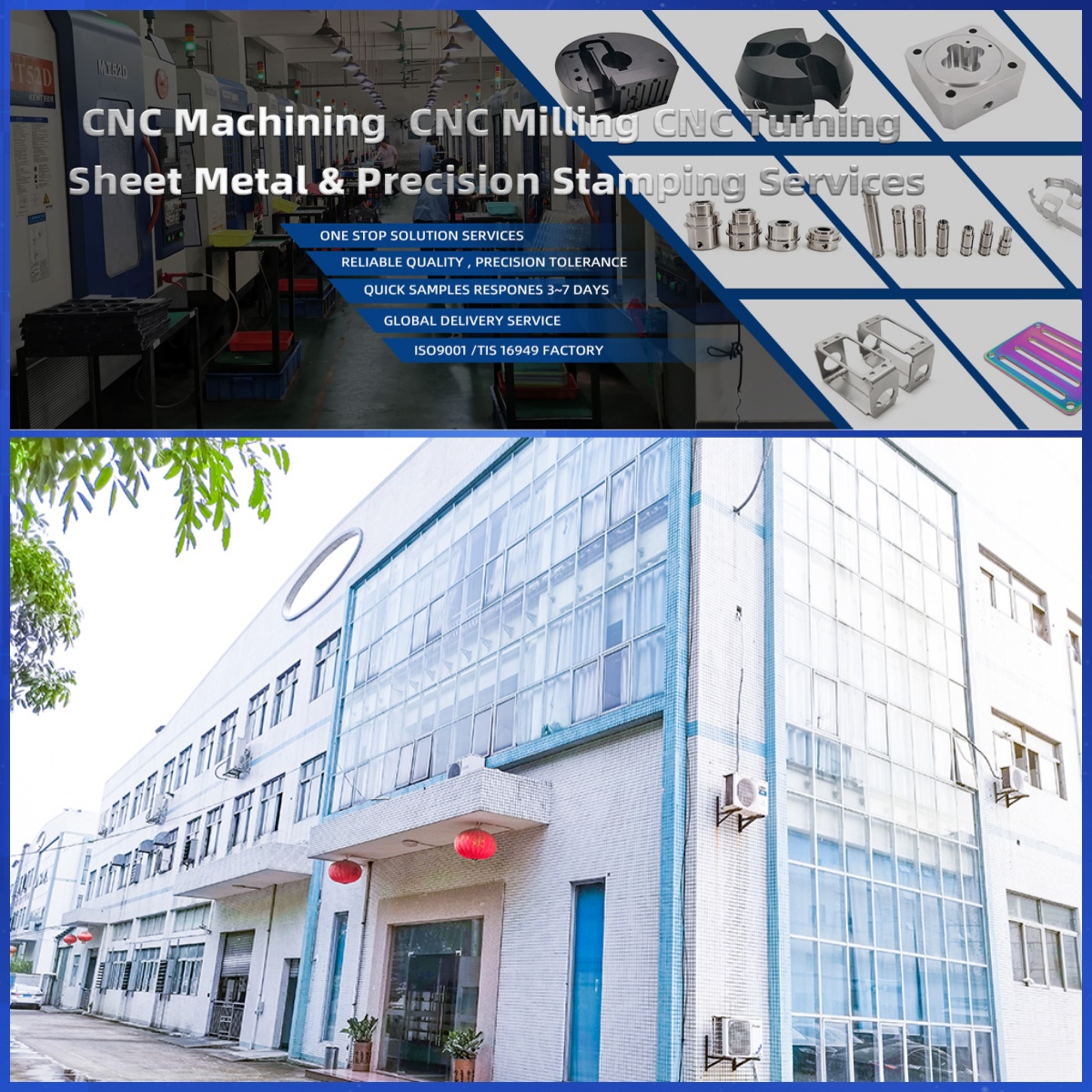
DongGuan YiTai Electronic Technologies Co.,Ltd
DongGuan YiTai Electronic Technologies Co.,Ltd is a manufacturing service provider located in Dongguan, China.
YiTai specialized in CNC turning machining and sheet metal fabrication mainly. As a member of Hung Mou Group, we focus on the overseas marketing development. And based on our parent company’s manufacturing capability and resources, YiTai also expended machining services such as die casting, injection molding, aluminum profile extrusion, 3D printing, which are committed to providing customers with one-stop purchasing services and experience.
CNC MACHINING , CNC MILLING , CNC TURNING , SHEETMETAL , FASTENER , OTHERS




A5052 Aluminum Alloy: Key Applications in Hardware Processes
What Are the Softest Metals?
Related Article