Metal Surface Treatment – How to Interpret Salt Spray Test Reports

The salt spray test is a critical method for evaluating the corrosion resistance of materials, coatings, or products. It is widely used in electronics, automotive, hardware, aerospace, and other industries. However, non-professionals often struggle to accurately interpret salt spray test reports and may even misread the data. This article will systematically explain how to scientifically interpret salt spray test reports from four aspects: test principles, core elements of reports, industry standards, and practical significance. It will also explore the key criteria for determining "how many hours are considered acceptable."
- Basic Principles and Common Types of Salt Spray Testing
- Core Elements of a Salt Spray Test Report
- How Many Hours Are Considered "Good"? Reference Ranges from Industry Standards
- Limitations of Salt Spray Testing: Time ≠ Absolute Reliability
- Frequently Asked Questions (FAQ) - Salt Spray Testing
1. Basic Principles and Common Types of Salt Spray Testing
Salt spray testing simulates salt corrosion conditions in marine or high-humidity environments to accelerate the corrosion process on material surfaces. The core principle involves using a sodium chloride (NaCl) solution to create a salt spray in a sealed environment, which continuously acts on the sample surface. The time until corrosion phenomena (e.g., rust spots, blistering, peeling) appear is observed.

Common Test Standards and Types:
-
Neutral Salt Spray Test (NSS): The most basic standard, with a pH of 6.5–7.2, suitable for most metal materials.
-
Acetic Acid Salt Spray Test (ASS): With a pH of 3.1–3.3, it accelerates corrosion and is used to inspect decorative coatings.
-
Copper-Accelerated Acetic Acid Salt Spray Test (CASS): Adds copper salts to ASS for stronger corrosion, often used for automotive parts.
-
Cyclic Salt Spray Test: Combines dry-wet cycles, temperature changes, and other complex conditions to better simulate real-world environments.
Different test types correspond to significantly varying corrosion rates and evaluation standards, so the test method must be clarified before interpreting reports.
2. Core Elements of a Salt Spray Test Report
A complete salt spray test report typically includes the following key information:
-
Test Conditions: Salt concentration (typically 5% NaCl), temperature (35±2°C), humidity (≥95%), spray method (continuous/intermittent).
-
Test Duration: Recorded in hours (h), indicating the time from the start until specified corrosion phenomena appear.
-
Sample Information: Material type, surface treatment process (e.g., electroplating, spraying, passivation).
-
Result Evaluation:
-
Appearance Rating: Rated according to ISO 10289 standards based on rust area and color change (0–10 scale, 0 being the most severe).
-
Functional Impact: Whether corrosion causes structural loosening, electrical failures, or other functional issues.
-
Corrosion Product Analysis: Detection of corrosion product composition via microscopy or energy-dispersive spectroscopy (EDS).
-
3. How Many Hours Are Considered "Good"? Reference Ranges from Industry Standards
The "acceptable duration" is not a fixed value but must be determined based on the product's application, industry standards, and actual environmental conditions:
| Industry/Product | Typical Test Duration | Standard Reference |
|---|---|---|
| Consumer Electronics | 24–96 hours (NSS) | ASTM B117, IEC 60068-2-11 |
| Automotive Parts | 144–240 hours (CASS) | ISO 9227, GMW 14872 |
| Architectural Hardware | 480–720 hours (NSS) | GB/T 2423.17, JIS Z2371 |
| Aerospace | 1,000+ hours (cyclic test) | RTCA DO-160, MIL-STD-810 |
Key Judgment Principles:
-
Industry Benchmarks: Prioritize standards relevant to the product's industry. For example, automotive exterior parts often require ≥240 hours of CASS testing without red rust.
-
Real-World Simulation: For products used in high-salt environments (e.g., coastal areas), test durations should be extended, or cyclic salt spray tests should be adopted.
-
Process Comparison: Comparisons with similar products are more meaningful. For instance, if one brand of smartphone claims to pass 96 hours of salt spray testing while a competitor only passes 48 hours, the former demonstrates better corrosion resistance.
4. Limitations of Salt Spray Testing: Time ≠ Absolute Reliability
Although salt spray testing is an important method for evaluating corrosion resistance, its results must be analyzed in conjunction with the following factors:
-
Acceleration vs. Reality: Salt spray testing accelerates corrosion rates by several to dozens of times compared to natural environments but cannot fully simulate complex conditions (e.g., UV exposure, chemical pollutants).
-
Hidden Localized Corrosion: The test may mask localized defects (e.g., electroplating pinholes), leading to short-term passes but long-term failures.
-
Material Compatibility: Some materials (e.g., aluminum alloys) may develop "white rust" in salt spray tests, which does not affect functionality and requires combined functional testing for judgment.
Recommendations:
-
Salt spray testing should be combined with other corrosion tests (e.g., humidity testing, SO₂ testing).
-
Long-term outdoor exposure tests (e.g., Florida exposure tests) are the "gold standard" for verifying corrosion resistance but are cost-prohibitive.
Interpreting a salt spray test report requires focusing on three core aspects: test type, duration results, and industry standards. When determining "how many hours are considered good," avoid comparisons disconnected from the product's actual use. For example:
-
General hardware may only require 48 hours of NSS testing to meet basic needs.
-
Automotive chassis parts may require 240 hours of CASS testing to ensure long-term reliability.
-
Outdoor communication equipment may need cyclic salt spray testing combined with real-world environmental data.
Ultimately, salt spray testing is a quality control tool, not the sole standard. Companies must dynamically adjust test requirements based on product positioning, cost budgets, and user feedback while continuously improving product durability through process optimization.
Professional metal surface treatment service provider, offering high-performance environmentally friendly passivation solutions, pickling solutions, degreasers, rust removers, etc. If you have any needs in this regard, please contact us.
5. Frequently Asked Questions (FAQ) - Salt Spray Testing
Q: 1. Why is salt spray testing important?
A: It helps manufacturers ensure product durability and quality by predicting how materials or coatings will perform in real-world corrosive environments. Industries like automotive, aerospace, electronics, and construction rely on it for quality control.
Q: 2. What are the common types of salt spray tests?
-
Neutral Salt Spray (NSS): pH 6.5–7.2, widely used for metals.
-
Acetic Acid Salt Spray (ASS): pH 3.1–3.3, faster corrosion for decorative coatings.
-
Copper-Accelerated Acetic Acid Salt Spray (CASS): Enhanced with copper salts for automotive parts.
-
Cyclic Salt Spray Test: Incorporates temperature/humidity cycles for realistic simulations.
Q: 3. How long should a salt spray test last?
A: The duration depends on the industry and product:
-
Consumer Electronics: 24–96 hours (NSS).
-
Automotive Parts: 144–240 hours (CASS).
-
Architectural Hardware: 480–720 hours (NSS).
-
Aerospace: 1,000+ hours (cyclic tests).
Q: 4. How do I interpret a salt spray test report?
A: Focus on:
-
Test Conditions (e.g., salt concentration, temperature).
-
Test Duration (hours until failure).
-
Results: Appearance rating (e.g., ISO 10289 rust grades), functional impacts, and corrosion analysis.
5. What does "passing" a salt spray test mean?
A: "pass" typically means no visible corrosion (e.g., red rust) or functional degradation within the required test hours based on industry standards. For example, automotive parts may need to withstand 240 CASS hours without rust.
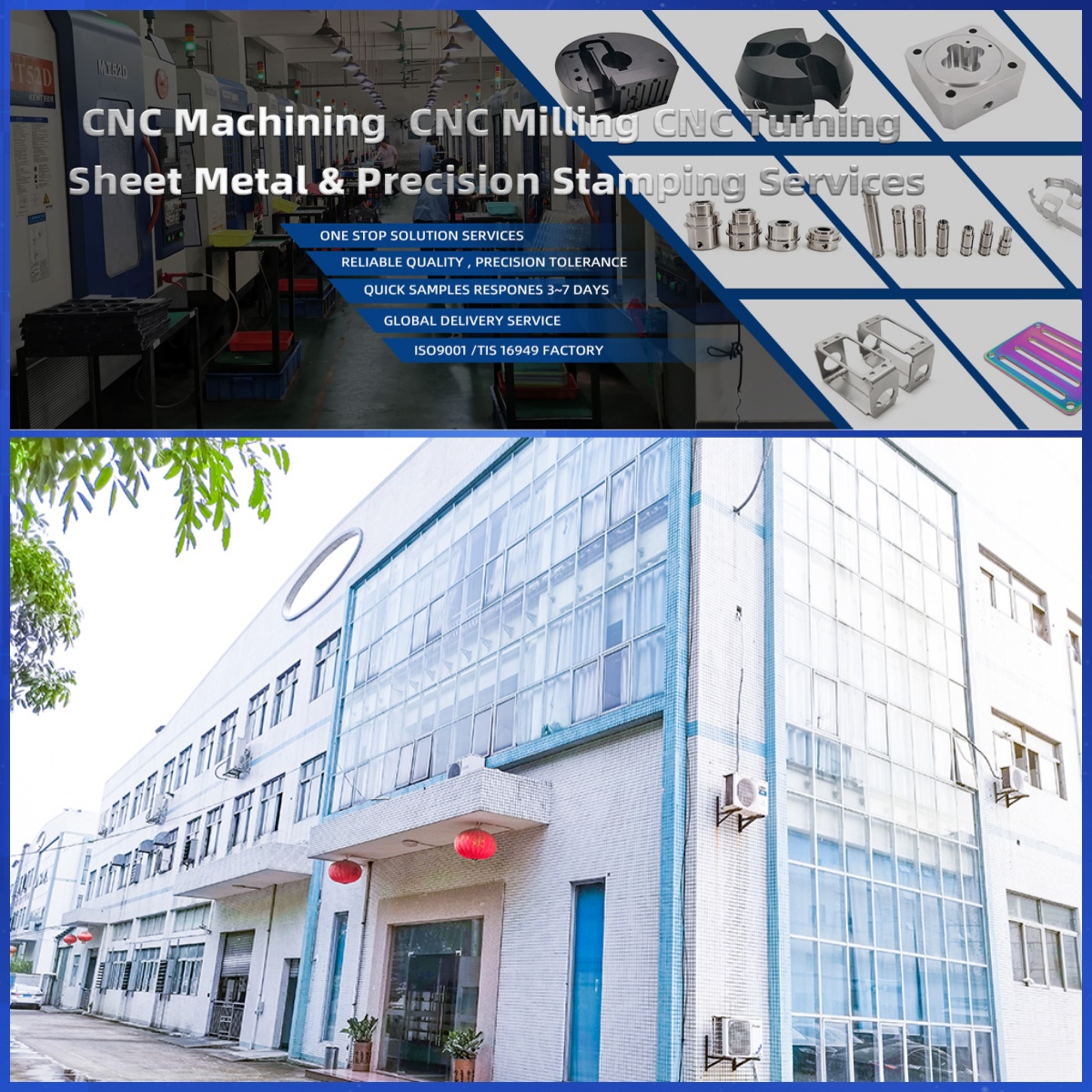
DongGuan YiTai Electronic Technologies Co.,Ltd
DongGuan YiTai Electronic Technologies Co.,Ltd is a manufacturing service provider located in Dongguan, China.
YiTai specialized in CNC turning machining and sheet metal fabrication mainly. As a member of Hung Mou Group, we focus on the overseas marketing development. And based on our parent company’s manufacturing capability and resources, YiTai also expended machining services such as die casting, injection molding, aluminum profile extrusion, 3D printing, which are committed to providing customers with one-stop purchasing services and experience.
CNC MACHINING , CNC MILLING , CNC TURNING , SHEETMETAL , FASTENER , OTHERS




Application of aluminum alloy in motorcycle components
Why is Material Galvanized?
Related Article