Metal Powder Coatings: Technology, Application, and Performance Optimization
Table of Contents
1. Overview of Metal Powder Coatings
Metal powder coatings are special coatings formed by blending metal pigments with various types of powder coatings. They offer bright and luxurious decorative effects, making them highly suitable for spraying on various indoor and outdoor objects such as furniture, accessories, and automobiles.

Regarding manufacturing processes, dry blending is primarily used domestically in China, while the bonding process is widely adopted internationally. Furthermore, there is a wide variety of metal pigments, including aluminum silver powder pigment, pearlescent pigment, and copper gold powder pigment. These products with different hues further enrich the diversity and decorativeness of powder coatings.
2. Characteristics and Influence of Metal Pigments
2.1 ► Aluminum Silver Powder Pigment

The particle size of the aluminum powder significantly impacts its functionality within the aluminum silver powder. These aluminum powders can be classified into different grades ranging from 5 μm to 75 μm. Different particle sizes exhibit varying levels of brightness, sparkle, and hiding power. Its advantages lie in its strong metallic texture and readily available materials, but its shortcomings include a relatively singular hue and room for improvement in chemical resistance.
2.2 ► Pearlescent Pigment

As an inorganic pigment, pearlescent pigment stands out for its rich color hues and excellent chemical resistance. However, compared to aluminum silver powder, its metallic texture is relatively weaker.
2.3 ► Copper Gold Powder Pigment

Additionally, copper gold powder pigment uses copper-zinc alloy as its main raw material. Through special mechanical processing and surface chemical treatment, it forms a flake-like structure. This pigment can float in the binder, presenting a golden luster while possessing the characteristics of a pigment. Although copper powder offers rich hues and a strong metallic feel, it has poor chemical resistance, a high specific gravity, requires higher usage amounts, and has certain requirements for heat resistance and compatibility.
2.4 ► Purple Powder Coat

Purple powder coatings are typically formulated using organic pigments or complex inorganic colorants (such as cobalt-based or manganese violet pigments) to achieve stable and vibrant hues. This type of coating offers a unique balance between aesthetic appeal and functional performance. The metallic effect in purple powder coatings is often enhanced by combining purple pigments with aluminum silver powders or pearlescent pigments, creating depth and iridescence. Advantages include a distinctive appearance and good UV resistance when formulated with high-quality pigments. However, challenges may arise in achieving color consistency across batches due to the sensitivity of organic pigments to processing conditions. Additionally, some purple pigments may exhibit limited thermal stability, requiring careful selection of materials suitable for the curing temperatures of powder coatings. Applications range from consumer electronics and automotive accessories to high-end furniture, where a bold and customized visual effect is desired.
3. Metal Powder Coating Process
3.1 ► Spraying Process and Safety
In the metal powder spraying process, the powder coating is first fluidized and then transported to the spray gun via air flow. The spray gun is equipped with a high-voltage electrostatic generator. When the powder is ejected from the gun nozzle, corona discharge occurs at the electrode needle of the nozzle, creating a dense area of negative charges around the electrode. Under the combined action of air flow, electrostatic field, and gravity, these charged powder particles fly towards the grounded workpiece surface and adhere to the substrate. Therefore, strict safety precautions must be taken during spraying to ensure operational safety and effectiveness.
3.2 ► Electrostatic Spray Gun and Reclaimability
The application method for metal powder coatings primarily uses electrostatic spray guns due to the presence of metal pigments. During application, it is essential to ensure the system is well-grounded and to set appropriate electrostatic voltage and powder output to prevent sparking. Because prolonged spraying can lead to the accumulation of metal powder on the gun's discharge needle, operators need to clean the discharge needle regularly to ensure spraying effectiveness and safety. For powder coatings produced by dry blending, a separation phenomenon occurs during spraying and recycling, causing differences in metal pigment content between reclaimed powder and new powder. This phenomenon stems from the difference in properties between metal pigments and powder particles. However, for powder coatings produced by the bonding process, the ratio of metal pigment to powder particles remains relatively stable, allowing reclaimed powder to be fully reused.
4. Coating Film Performance Optimization
4.1 ► Gloss and Visual Comparison Method
In most cases, using a gloss meter to measure the gloss of metallic appearance coating films is not recommended due to significant potential error. Instead, the visual comparison method is more commonly used, judging whether the film gloss meets standards by comparing it against a reference standard panel.
4.2 ► Application of Top Clear Coat
Applying an additional top clear coat over the metal powder coating film offers multiple benefits: it not only enhances the stone chip resistance of the metal powder coating but also further improves its aesthetic appearance. Furthermore, the top coat can effectively solve the problem of metal pigment rub-off (or wipe-off) and significantly enhance the weatherability of the metal powder coating film. However, to fully leverage the appearance advantages of the top coat, the initially coated workpiece must be free from any contamination. Therefore, fully automated spraying lines and two separate spray booths for distinct application stages are typically required. Nevertheless, in practice, applying a top coat is not necessary for all applications. It is primarily used under high-standard requirements, such as for high-end appliances, automobile wheels, and outdoor applications requiring assured weatherability.
4.3 ► Solving the Rub-off Resistance Challenge
Powder coatings produced by either dry blending or the bonding process cannot fundamentally solve the metal pigment rub-off issue. To address this challenge, the common practice within the industry is to apply an additional transparent coating layer over the metal powder coating film. This enhances weatherability and fixes the metal pigments in place, thereby effectively resolving the rub-off problem.
5. Maintaining Appearance Consistency
5.1 ► Reducing Batch Differences and Controlling Spraying Conditions
When addressing the rub-off issue in metal powder coatings, ensure the same product uses metal powder coating from the same batch to minimize the impact of batch-to-batch variation. Simultaneously, maintaining consistency in spraying conditions is crucial. This includes using identical spraying equipment, voltage, air pressure, and other parameters, and ensuring a constant distance between the spray gun and the workpiece to maintain stable film thickness. Additionally, ensure the powder coating is fully fluidized before spraying. When using reclaimed powder, control the ratio of reclaimed powder to new powder to be at least 1:4. To avoid unnecessary trouble, it is advisable to avoid spraying workpieces with complex shapes or deep recesses with metal powder coatings. Finally, to ensure consistency in the sprayed appearance, it is recommended to spray multiple workpieces that require assembly together simultaneously.
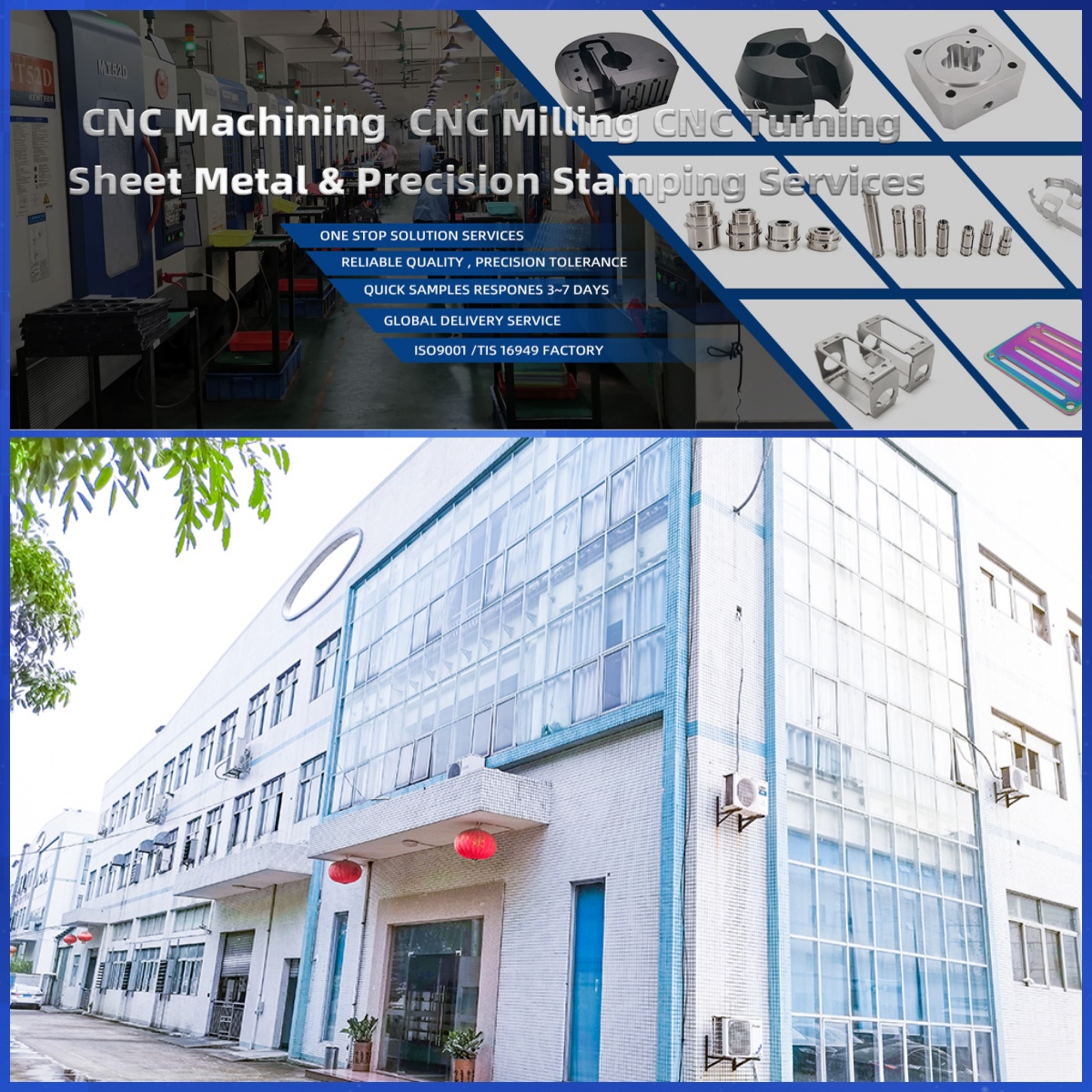
DongGuan YiTai Electronic Technologies Co.,Ltd
DongGuan YiTai Electronic Technologies Co.,Ltd is a manufacturing service provider located in Dongguan, China.
YiTai specialized in CNC turning machining and sheet metal fabrication mainly. As a member of Hung Mou Group, we focus on the overseas marketing development. And based on our parent company’s manufacturing capability and resources, YiTai also expended machining services such as die casting, injection molding, aluminum profile extrusion, 3D printing, which are committed to providing customers with one-stop purchasing services and experience.
CNC MACHINING , CNC MILLING , CNC TURNING , SHEETMETAL , FASTENER , OTHERS




Anodizing Dyeing Principles and Color Theory
Deep Comparison of Turning Performance for Different Aluminum Alloy Grades
Related Article