The Role of a Machinist Vise in CNC Machining

1. Introduction
Machinist vise is a benchtop tool used in workshops, with its primary function being to securely hold workpieces. In the metalworking and precision manufacturing industries, machinist vise is the most fundamental, essential, and frequently used workholding fixture. It is employed in operations such as drilling, milling, and various other machining processes. The tool clamps the material with its jaws, ensuring the workpiece remains stationary. Machinist vises are widely used in metalworking and woodworking, contributing to machining precision and accuracy. Without a reliable vise, machining operations may not only lack accuracy but also pose safety hazards.
Machinist vises come in various types, differing in size and design. Some are simple in structure, while others are more complex, yet all serve the same core purpose: firmly clamping objects. This blog will delve into the application principles of vises in CNC machining, analyze how they address practical machining challenges, and provide a comparative analysis of different models of vises.
2. Role in CNC Machining
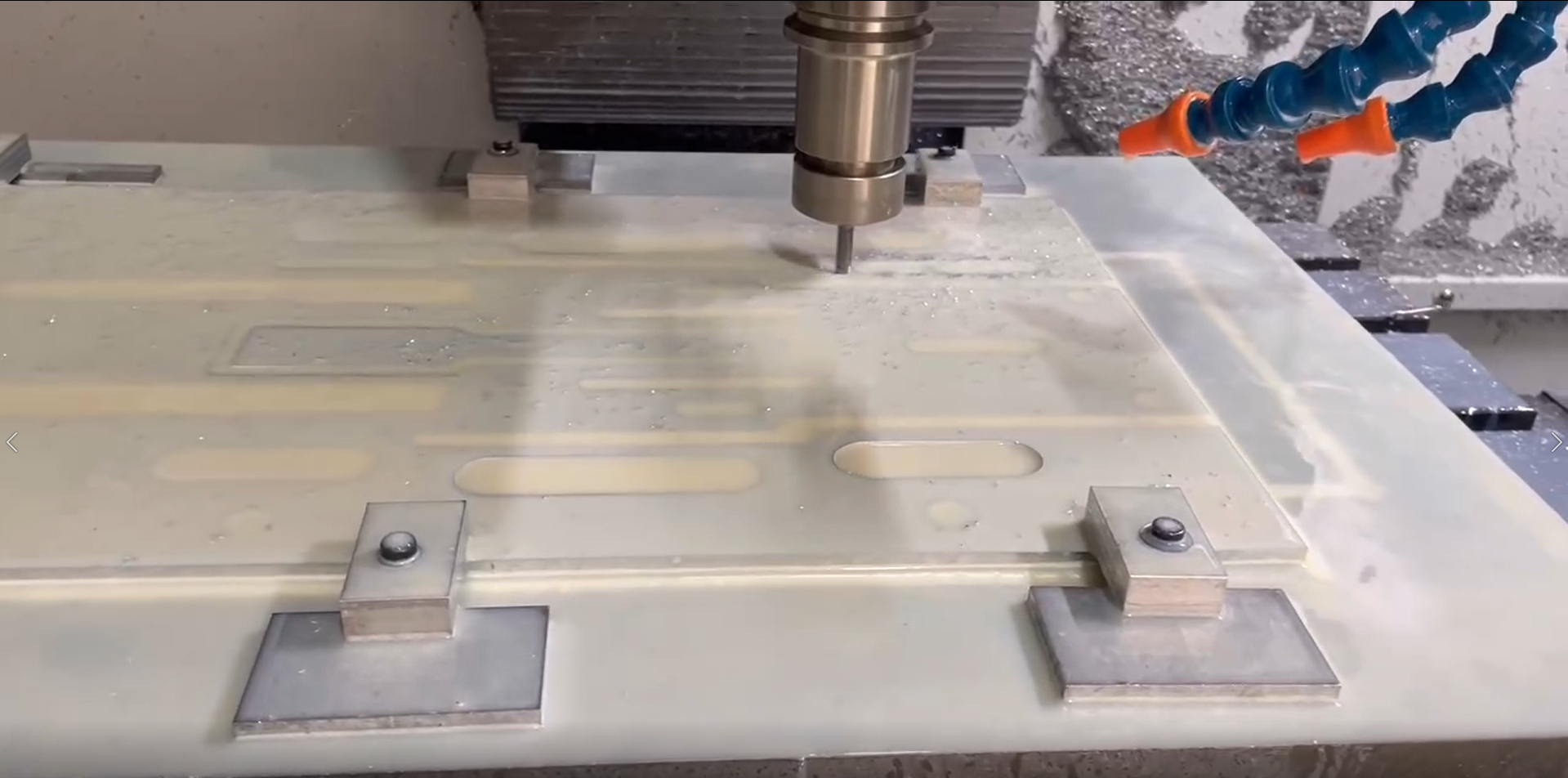
In CNC machining, a machinist vise is crucial. CNC machines use computer controls to cut materials, while the machinist vise secures the workpiece in place. This clamping mechanism enables the machine to process with precision. Without firm fixation, the cutting tool could damage the workpiece or even lead to inaccuracies in the final product.
The vise is mounted on the machine table, keeping the part stable during operations such as milling or drilling. This stability is key to achieving repeatable accuracy. In mass production, where the same part needs to be manufactured repeatedly, a high-quality vise ensures each piece is identical. It also enhances efficiency by allowing operators to set up jobs quickly, saving both time and costs. Improper use of the vise can result in low yield rates and reduced production efficiency.
Moreover, CNC-specific vises often come with special features. They may support quick workpiece changeovers, effectively minimizing downtime. Although the vise is a structurally simple tool, it plays an indispensable role in modern manufacturing.
3. Solving Machining Problems
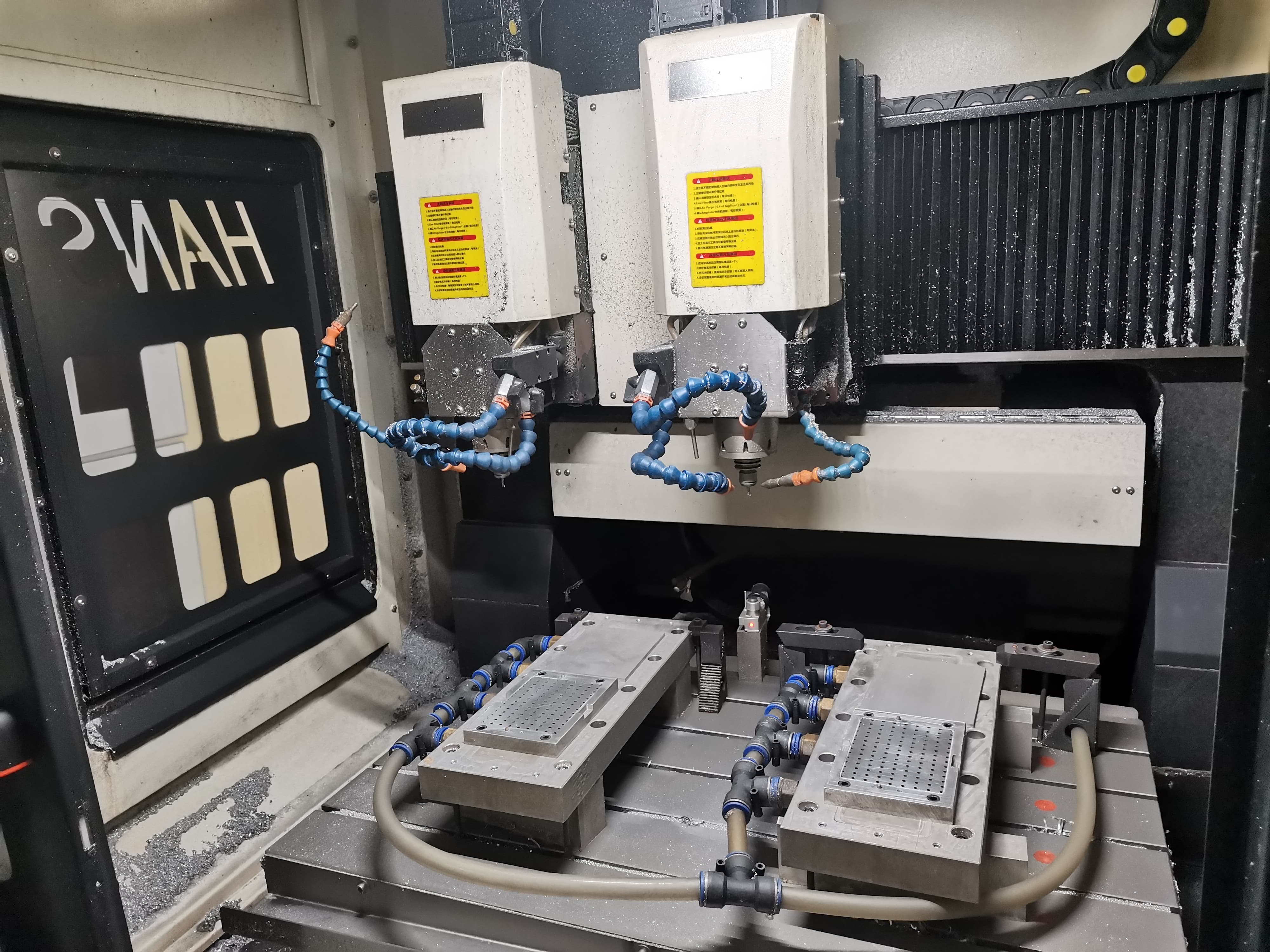
Machinist vises help solve many common problems in machining. One problem is vibration. When a machine cuts material, it can shake. This leads to poor surface finishes. A strong vise reduces vibration by holding the workpiece tightly.
Another issue is workpiece movement. If the part shifts during cutting, the dimensions will be wrong. A vise with good clamping force prevents this. It ensures the part stays in the same position. This is crucial for tight tolerances.
Vises also address safety concerns. Loose workpieces can fly off and cause injuries. A secure vise makes the workplace safer. It protects both the operator and the machine.
Additionally, vises can help with setup time. Some vises have modular designs. They allow for fast loading and unloading. This is useful in high-volume production. It means less waiting between jobs.
A a reliable vise solves problems like vibration, movement, and safety. It makes machining smoother and more reliable. Finally, When using machinist vises, wipe them promptly and keep them clean, as this contributes to stability during machining.
4. Comparison of Various Machinist Vises
There are several types of machinist vises. Each has its own features. Below, we compare common types.
Standard Machinist Vise
This is the basic type. It has fixed jaws. It is good for general work. But it might not be ideal for high-precision tasks.
CNC Machinist Vise
This type is made for CNC machines. It often has a swivel base. This allows for easy positioning. It is designed for accuracy and durability.
Quick-Change Vise
This vise lets users swap jaws quickly. It is useful for jobs that need frequent changes. It saves time in setups.
Angle Vise
This vise can hold work at an angle. It is good for complex cuts. It offers more flexibility.
Here is a table comparing key parameters:
| Type | Jaw Width (inches) | Opening Capacity (inches) | Material | Price Range | Best Use |
|---|---|---|---|---|---|
| Standard Vise | 4-6 | 4-8 | Cast Iron | $50-$150 | General workshop |
| CNC Vise | 5-8 | 6-10 | Steel | $200-$500 | Precision machining |
| Quick-Change Vise | 4-6 | 4-8 | Aluminum/Steel | $150-$300 | High-mix production |
| Angle Vise | 3-5 | 3-6 | Cast Iron | $100-$250 | Complex angles |
This table shows differences in size, material, and cost. Choose a vise based on your needs. For example, a CNC vise is best for accurate work. A standard vise is good for simple tasks.
5. Expert Insights
We asked experts for their views. John Smith is a CNC machinist with 20 years of experience. He says, "A good vise is the foundation of quality machining. I always recommend investing in a durable CNC vise. It pays off in the long run. It reduces errors and increases productivity."
Another expert, Maria Lopez, works in manufacturing. She adds, "In our shop, we use quick-change vises. They help us switch jobs fast. This is important for meeting deadlines. The key is to match the vise to the job. Do not use a cheap vise for precision work."
These insights show that choosing the right vise matters. Experts agree that quality tools lead to better results.
6. Frequently Asked Questions
Q: What is a machinist vise?
A: A machinist vise is a clamping tool. It holds workpieces during machining operations. It ensures stability and precision.
Q: How do I choose the right vise?
A: Consider your work type. For general use, a standard vise is fine. For CNC machining, pick a CNC-specific vise. Look at jaw width and opening capacity. Also, think about material and price.
Q: Can I use a regular vise on a CNC machine?
A: Yes, but it might not be ideal. Regular vises may not offer the same precision. They can cause vibration issues. A CNC vise is designed for better performance.
Q: How do I maintain a machinist vise?
A: Keep it clean. Lubricate moving parts regularly. Check for wear on the jaws. Replace them if needed. This ensures long life and accuracy.
Q: What is the average cost of a good vise?
A: Prices range from $50 to $500. It depends on the type and features. A basic vise costs less. A high-end CNC vise costs more.
Q: Why is clamping force important?
A: Clamping force keeps the workpiece from moving. Strong force prevents errors and improves safety. Always check the vise's force rating.
Q:Can I repair a damaged vise?
A: Sometimes. Small parts like jaws can be replaced. But if the body is cracked, it might be better to buy a new one. Repair costs can add up.
DongGuan YiTai Electronic Technologies Co.,Ltd
DongGuan YiTai Electronic Technologies Co.,Ltd is a manufacturing service provider located in Dongguan, China.
YiTai specialized in CNC turning machining and sheet metal fabrication mainly. As a member of Hung Mou Group, we focus on the overseas marketing development. And based on our parent company’s manufacturing capability and resources, YiTai also expended machining services such as die casting, injection molding, aluminum profile extrusion, 3D printing, which are committed to providing customers with one-stop purchasing services and experience.
CNC MACHINING , CNC MILLING , CNC TURNING , SHEETMETAL , FASTENER , OTHERS




Maximizing ROI: 10 DFM Tips to Lower CNC Machining Costs
2026 The Latest Market Trends in Custom Hardware Manufacturing
Related Article