Complete Guide to Stainless Steel CNC Machining: Material Types, Machining Challenges, and Best Practices

1. Why Stainless Steel Is a Top Choice for Precision Parts
Stainless steel has four big strengths.
-
Corrosion resistance: It has at least 10.5% chromium. The chromium forms a thin oxide layer. This layer stops rust. It heals itself if scratched.
-
High strength: Stainless steel is as strong as many alloy steels. It holds heavy loads.
-
Heat resistance: Some grades keep their strength up to 800°C. Good for exhaust and furnace parts.
-
Hygienic and easy to clean: The smooth surface does not trap bacteria. This is key for medical and food industries.
Because of these strengths, stainless steel is a standard material for medical instruments, food processing equipment, chemical plant parts, and marine hardware.
2. Main Types of Stainless Steel and Their Machining Traits
There are four main families of stainless steel. Each one machines differently.
| Type | Common Grades | Machinability | Key Challenge |
|---|---|---|---|
| Austenitic | 303, 304, 316L | Fair (40-60% of carbon steel) | Work hardening, stringy chips |
| Martensitic | 410, 420, 440C | Fair to poor (hardened) | Hardness increases with heat treat |
| Ferritic | 430 | Good (60-70%) | Lower toughness, can tear |
| Precipitation Hardening | 17-4PH | Fair (40-50%) | Requires specific heat treat state |
Austenitic (303, 304, 316L)
This is the most common type. 304 is general purpose. 316L adds molybdenum for better saltwater resistance. 303 has sulfur for better machinability.
-
Machining traits: Work hardens fast. Chips are long and tough. They stick to the tool.
-
Tip: Use sharp tools. Take a deep enough cut to stay under the hardened layer.
Martensitic (410, 420, 440C)
These grades can be heat treated to high hardness (up to 60 HRC). They are used for cutlery, bearings, and surgical tools.
-
Machining traits: Annealed (soft) state machines like austenitic. Hardened state is very difficult. Use grinding or EDM.
-
Tip: Machine in the annealed state. Then heat treat. Then finish grind.
Ferritic (430)
Ferritic stainless has lower carbon. It is magnetic. It is cheaper than 304.
-
Machining traits: Better machinability than austenitic. But it is less tough. Edges can tear.
-
Tip: Use sharp tools. Avoid low feed rates.
Precipitation Hardening (17-4PH)
This grade gets very strong after a heat treatment (aging). It is common in aerospace.
-
Machining traits: Machines well in the solution-treated (Condition A) state. After aging, it is hard (40-48 HRC).
-
Tip: Rough machine in Condition A. Then age harden. Then finish grind.
3. Three Core Challenges When Machining Stainless Steel
Stainless steel is not like aluminum or mild steel. It has three specific problems.

1. Work Hardening
When you cut stainless, the surface gets harder. If the tool rubs instead of cuts, the hardness jumps. The next cut must go through a harder layer. This wears tools fast.
-
What to do: Always take a cut depth bigger than the work-hardened layer (usually 0.2-0.5mm). Do not take light finishing passes.
2. High Cutting Heat
Stainless steel conducts heat poorly. 80% of the cutting heat stays in the chip and the tool. The tool tip gets very hot. This softens the tool. It leads to rapid wear.
-
What to do: Use coolant. Use tools with heat-resistant coatings (TiAlN, AlCrN). Keep the cut continuous.
3. Chip Control
Austenitic stainless makes long, stringy chips. These chips wrap around the tool and the workpiece. They can scratch the surface. They can break the tool.
-
What to do: Use chip breakers on inserts. Use high-pressure coolant to break chips. Do not let chips build up.
4. Best Practices to Overcome These Challenges
Here are four proven steps to machine stainless steel successfully.

Tool Selection
-
Geometry: Use sharp edges with positive rake angles. This cuts the metal, not pushes it.
-
Material: Use carbide tools. Do not use HSS (high-speed steel) for production.
-
Coating: TiAlN (titanium aluminum nitride) or AlCrN (aluminum chromium nitride) handles high heat. These coatings also reduce built-up edge.
Cutting Parameters
-
Cutting speed: Slower than for carbon steel. For 304 stainless with carbide, start at 60-100 m/min. For 316L, go slower (50-80 m/min).
-
Feed rate: Use higher feed rates to get under the work-hardened layer. Do not let the tool rub.
-
Depth of cut: Keep constant. For finishing, take at least 0.2mm depth. Do not take 0.05mm passes.
Cooling Strategy
-
High-pressure coolant: Direct a jet of coolant right at the cutting edge. This washes chips away. It also cools the tool.
-
Minimum quantity lubrication (MQL): A fine oil mist. Works well for some stainless jobs. Less mess than flood coolant.
Machine and Fixture Requirements
-
Rigid machine: Stainless needs high cutting forces. A light machine will chatter. Use a heavy-duty CNC mill or lathe.
-
High-power spindle: At least 10 HP for medium jobs. The machine must not bog down.
-
Stable fixture: Clamp the part tight. Any movement will cause rubbing and work hardening.
5. Expert Insight: Stainless Rewards Respect
“I have seen new machinist treat stainless like aluminum. They take light cuts. They use high speeds. The tool wears out in five minutes. The part work hardens. Then they blame the material. Stainless is not hard to machine if you respect it. Use sharp tools. Use high feed. Use lots of coolant. And never, ever let the tool rub. Once you learn these rules, stainless becomes a reliable material.”
— Senior CNC Machinist, DongGuan YiTai Electronic Technologies
Our Stainless Steel CNC Machining Expertise
At 'DongGuan YiTai Electronic Technologies' , we machine stainless steel every day. We work with 303, 304, 316L, 17-4PH, 420, and 430. We use rigid CNC lathes and milling centers with high-pressure coolant systems. We hold tolerances down to ±0.005mm on stainless parts.
We also offer post-machining services. Passivation. Electropolishing. Heat treatment. All in one place.
Send us your drawing. Tell us the stainless grade. We will give you a quote and a DFM review for machinability.
6. Frequently Asked Questions (FAQ)
Q: Which stainless steel is easiest to machine?
A: 303 stainless is the easiest. It has sulfur added. The sulfur makes chips break short. It also reduces tool wear. For general parts, 303 is a good choice. For better corrosion resistance, use 316L, but it is harder to machine.
Q: Why does stainless steel get harder when I cut it?
A: This is work hardening. The energy from cutting rearranges the metal crystals. The surface becomes harder. To avoid it, take a cut depth bigger than the hardened layer (at least 0.2mm). Do not take very light finishing passes.
Q: Can I machine stainless steel without coolant?
A: Technically yes, but not recommended. Without coolant, heat builds up fast. The tool will wear out quickly. The surface finish will be poor. For production work, always use high-pressure coolant or at least an air blast with mist.
Q: What is the best tool coating for machining stainless steel?
A: TiAlN (titanium aluminum nitride) and AlCrN (aluminum chromium nitride) are best. These coatings stay hard at high temperatures. They also reduce built-up edge. Avoid uncoated carbide or TiN (titanium nitride) for stainless.
Q: What is the difference between 304 and 316L stainless steel?
A: 304 is general purpose. It resists rust in most indoor and outdoor environments. 316L has molybdenum added. This gives better resistance to saltwater and chlorides. 316L is the standard for marine and chemical equipment. 316L also has lower carbon (the L stands for low carbon), which helps welding.
Q: Does DongGuan YiTai Electronic Technologies machine 17-4PH stainless steel?
A: Yes. We machine 17-4PH in the Condition A (solution treated) state. This is the soft state. After rough machining, we can age harden the part to H900 or H1150 condition. Then we finish grind critical features. Send us your drawing for a quote.
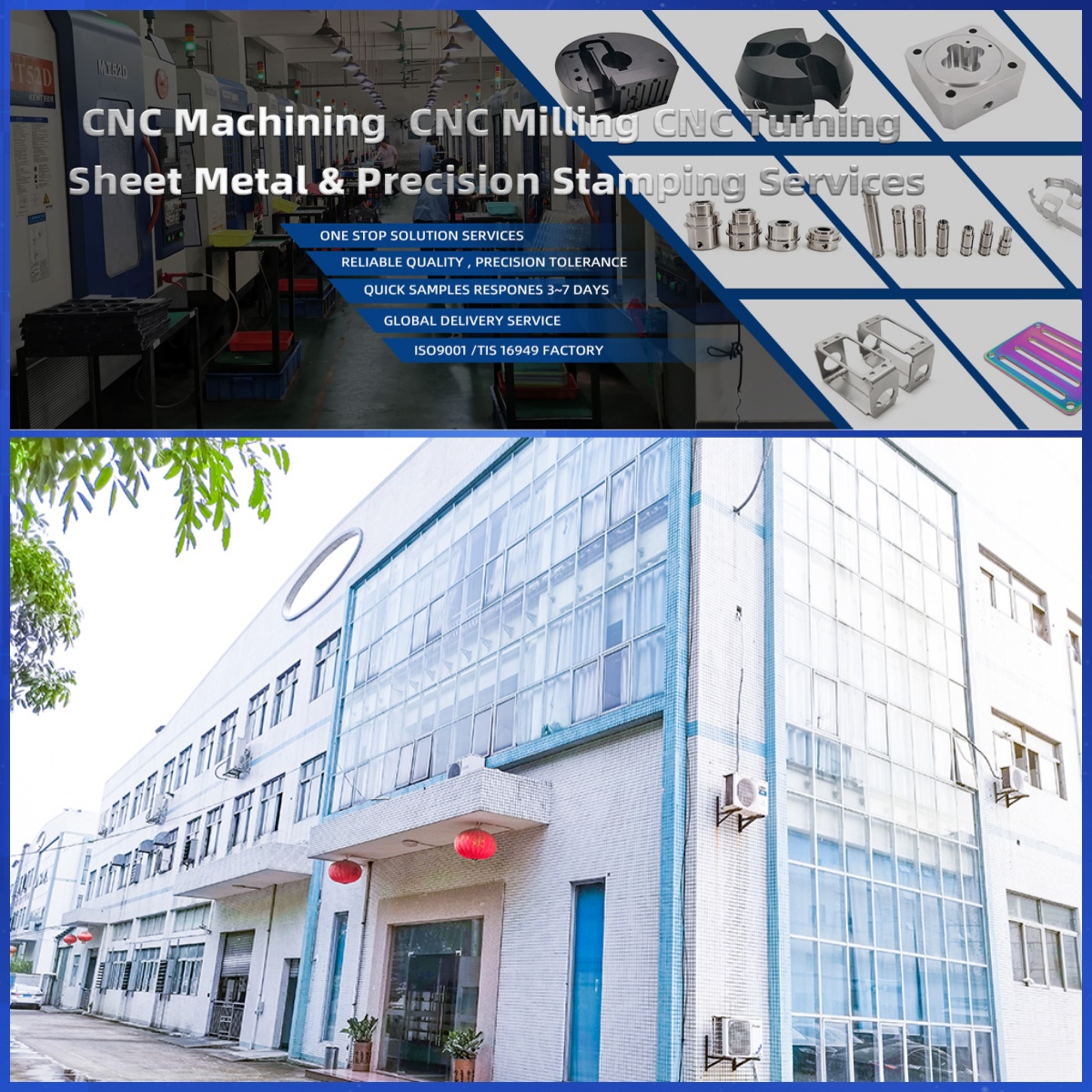
DongGuan YiTai Electronic Technologies Co.,Ltd
DongGuan YiTai Electronic Technologies Co.,Ltd is a manufacturing service provider located in Dongguan, China.
YiTai specialized in CNC turning machining and sheet metal fabrication mainly. As a member of Hung Mou Group, we focus on the overseas marketing development. And based on our parent company’s manufacturing capability and resources, YiTai also expended machining services such as die casting, injection molding, aluminum profile extrusion, 3D printing, which are committed to providing customers with one-stop purchasing services and experience.
CNC MACHINING , CNC MILLING , CNC TURNING , SHEETMETAL , FASTENER , OTHERS




Complete Guide to Brass Insert Nuts: Types, Functions, and Key Applications in CNC Precision Machining
Powder Coating Color Durability Comparison: Which Colors Last Longest for Outdoor CNC Parts?
Related Article