ISO 9001 2015 certification CNC precision machining quality assurance

When you order a custom CNC part, you want it right. No bad surprises. No missing certificates. No finger‑pointing. ISO 9001:2015 is a quality management system. It helps a machine shop do things the same way every time. It also gives you proof that they follow a plan.
This guide explains how ISO 9001:2015 works with CNC machining. You will see how it protects your project. You will also learn what a valid certificate means for your supplier audit.
-
Core Requirements of ISO 9001:2015 and Their Natural Fit with CNC Machining
-
How a Valid Certificate Simplifies Your Supplier Approval Audit
-
Expert Insight: The Certificate Is a Starting Point, Not the Destination
1. Core Requirements of ISO 9001:2015 and Their Natural Fit with CNC Machining
ISO 9001:2015 is built on three key ideas. Each one fits perfectly with making precision parts.
Risk‑Based Thinking – From Contract Review to Process Control
A CNC shop faces many risks. A bad material batch. A broken tool. A wrong program. ISO 9001 asks the shop to think about risks before they happen. For example, during contract review, the shop checks if the material certificate is valid. They check if the tolerance is achievable. They plan for tool wear. This stops problems before they start.
Process Approach – Connecting Turning, Milling, Grinding, and Finishing
A CNC part goes through many steps. First turning, then milling, then heat treatment, then grinding, then anodizing. If each step is managed alone, errors slip through. The process approach treats all steps as one chain. The output of turning becomes the input of milling. Quality checks happen between steps. This makes the whole system stable.
PDCA Cycle – Continuous Improvement from Prototype to Production
PDCA stands for Plan‑Do‑Check‑Act. In CNC work, the shop plans the process (Plan). They run the first sample (Do). They measure everything (Check). Then they fix any issues (Act). The next batch is better. This cycle repeats. Even after 10,000 parts, the shop still looks for small improvements.
The table below shows how PDCA applies to a typical CNC job.
| PDCA Phase | CNC Example |
|---|---|
| Plan | Write the setup sheet. Choose tools. Program the tool path. |
| Do | Machine the first part. |
| Check | Measure with CMM. Compare to drawing. |
| Act | Adjust offsets or tool paths. Update the process document. |
2. Specific Value of Certification for CNC Machining Clients
An ISO 9001 certificate is not just a paper. It gives you four real benefits.
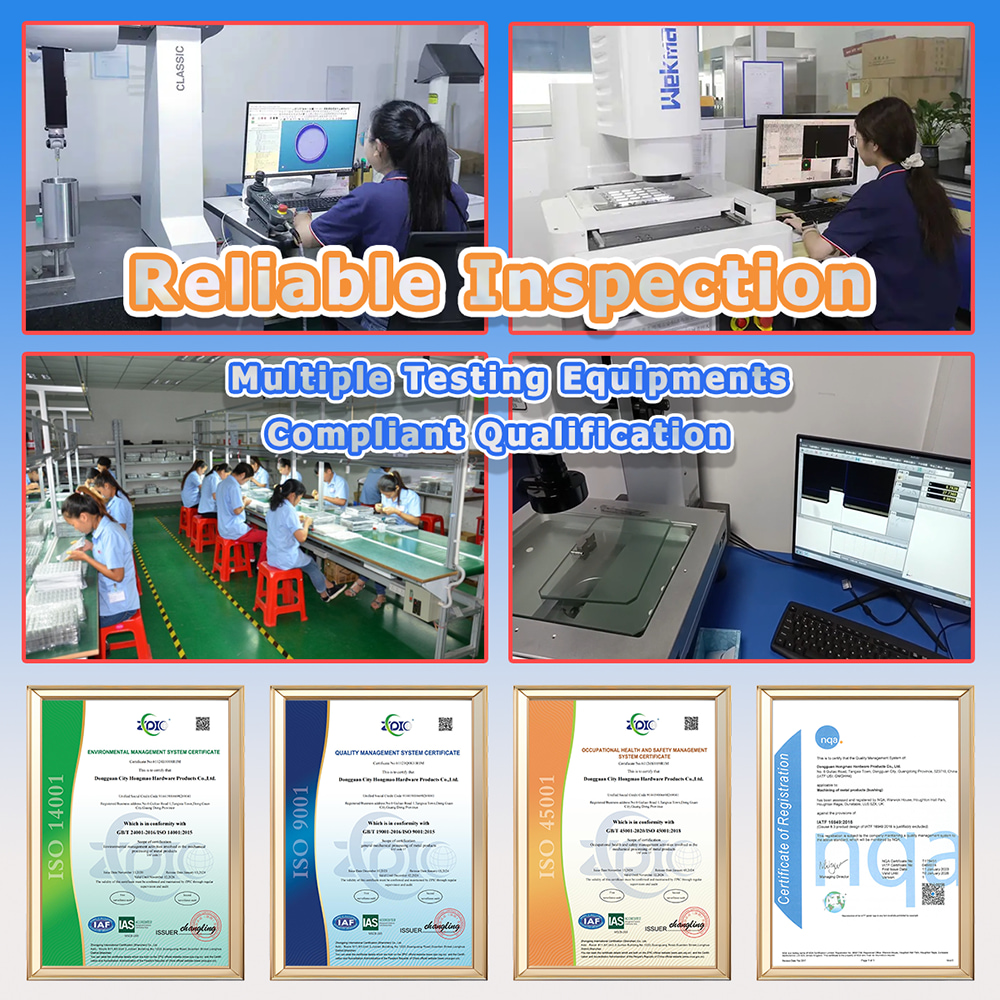
Documented System – Full Traceability from Material to Final Part
A certified shop keeps records. They keep the material certificate (mill test report). They keep the first article inspection report (FAI). They keep process CPK data for production batches. If a part fails, you can trace it back to the bar of metal and the machine that cut it. No guessing.
Competence and Equipment – Only Trained People and Calibrated Machines
ISO 9001 requires that people are trained for their job. A new operator cannot run a 5‑axis mill alone. The shop also must calibrate measuring tools (micrometers, CMM, gauges) on a schedule. You can trust the measurements because the tools are proven accurate.
Supplier Management – Control Over Heat Treatment and Plating
Many CNC shops send parts outside for heat treatment or anodizing. ISO 9001 requires the shop to audit those outside suppliers. They must make sure the heat treater follows the same quality rules. This means the part you get from the CNC shop has consistent hardness and coating, even if the shop did not do it in‑house.
3. How a Valid Certificate Simplifies Your Supplier Approval Audit
If you work in aerospace, medical, or automotive, you must audit new suppliers. An ISO 9001 certificate cuts your audit time.
Instead of checking every process yourself, you can review the shop's ISO 9001 records. You look at their internal audit results. You check their corrective action log. You see if they follow the plan. This takes hours, not days.
Many large buyers accept ISO 9001 as the baseline. They still do a small audit, but it is much faster. The certificate tells you the shop has a working quality system.
The table below shows what a certificate replaces in a typical audit.
| Without ISO 9001 | With ISO 9001 |
|---|---|
| Check every machine's calibration record | Review the calibration log summary |
| Interview operators about training | Review the training matrix |
| Trace one part's material back to the order | Review the traceability procedure and one sample record |
| Spend 2‑3 days on‑site | Spend 0.5‑1 day on‑site |
4. Expert Insight: The Certificate Is a Starting Point, Not the Destination
“I have seen shops with ISO 9001 certificates that still shipped bad parts. The certificate alone does not make good parts. It is the discipline behind it. A good shop uses the standard to catch mistakes early. They write down what went wrong. They fix the root cause. A bad shop just keeps the certificate on the wall. When you audit a supplier, ask for their last three corrective action reports. That tells you more than the certificate.”
— Quality Manager, DongGuan YiTai Electronic Technologies
We Deliver Trusted Precision Parts Based on Our Current ISO 9001:2015 Certification
At DongGuan YiTai Electronic Technologies , we are ISO 9001:2015 certified. We use risk‑based thinking on every job. We document everything. We control our outside suppliers. You get full traceability and peace of mind.
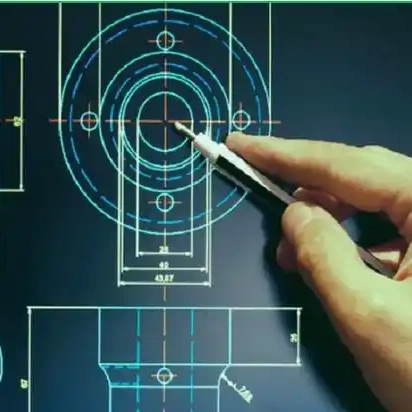
Send us your drawing. We will give you a quote and a quality plan. No shortcuts. Just parts that work.
5. Frequently Asked Questions (FAQ)
Q: Is ISO 9001:2015 enough for medical or aerospace parts?
A: No. Medical parts often need ISO 13485. Aerospace parts need AS9100. But ISO 9001 is the base. A shop with ISO 9001 is better than a shop with no certification. It shows they have a working quality system.
Q: How often is a CNC shop re‑audited for ISO 9001?
A: Every 3 years for the full re‑certification. Every year, a surveillance audit checks that the system still works. The shop must keep all records for at least 3‑5 years.
Q: Can I ask for specific quality records under ISO 9001?
A: Yes. The shop must provide records that are required by their own procedures. For example, if their procedure says they do first article inspection, they must give you the report. You can ask for material certificates, calibration logs, and training records.
Q: Does ISO 9001 guarantee that every part is perfect?
A: No standard can guarantee zero defects. But ISO 9001 makes the shop follow a plan. When a defect happens, they must find the root cause and fix it. Over time, defects become very rare. A certified shop will have a much lower defect rate than a non‑certified shop.
Q: How do I verify a supplier's ISO 9001 certificate is real?
A: Check the accreditation body (like UKAS, ANAB, JAS‑ANZ). Look up the certificate number on that body’s website. Also check the expiry date. A certificate that expired last month is not valid.
Q: Does DongGuan YiTai Electronic Technologies provide ISO 9001:2015 certificates with each shipment?
A: Yes. We include a Certificate of Conformance that states the parts were made under our ISO 9001 system. We also provide material certificates and inspection reports on request. Contact us to learn more.
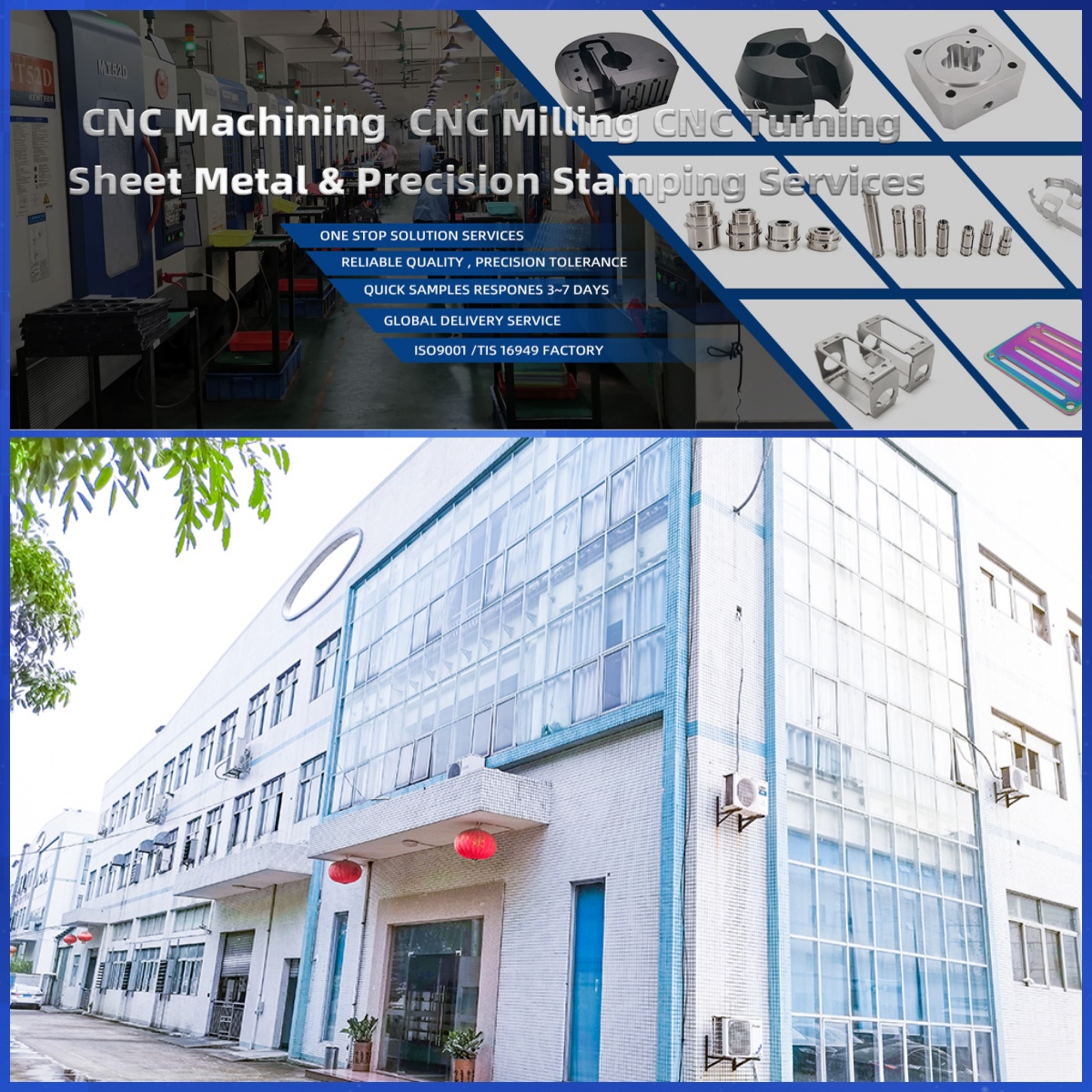
DongGuan YiTai Electronic Technologies Co.,Ltd
DongGuan YiTai Electronic Technologies Co.,Ltd is a manufacturing service provider located in Dongguan, China.
YiTai specialized in CNC turning machining and sheet metal fabrication mainly. As a member of Hung Mou Group, we focus on the overseas marketing development. And based on our parent company’s manufacturing capability and resources, YiTai also expended machining services such as die casting, injection molding, aluminum profile extrusion, 3D printing, which are committed to providing customers with one-stop purchasing services and experience.
CNC MACHINING , CNC MILLING , CNC TURNING , SHEETMETAL , FASTENER , OTHERS




Enter the Bronze Family: A Complete Guide to the Most Common Bronze Alloys for CNC Precision Machining – Tin Bronze, Aluminum Bronze, Silicon Bronze and More
Custom DFM Handbook for 7075-T6 Aluminum Parts: Balance High Strength and Machinability
Related Article