Mechanical Properties: Is Steel a Magnetic Material?

1. Is Steel Magnetic? The Short Answer
2. What Makes Steel Magnetic?
3. Magnetism in Different Steel Types
3.1 Carbon Steel

- Low-carbon steel (0.05-0.25% carbon): It is soft and easy to shape. It is used for nails, pipes, and car body parts. It sticks strongly to magnets.
- Medium-carbon steel (0.25-0.6% carbon): It is harder. It is used for bolts, gears, and axes. It is just as magnetic as low-carbon steel.
- High-carbon steel (0.6-1.5% carbon): It is very hard. It is used for knives, springs, and tools. It is magnetic too. The high carbon does not stop the magnetic domains from lining up.
3.2 Stainless Steel

- Ferritic stainless steel (like 430): It has more iron and less nickel. It is magnetic. It is used for dishwashers, sinks, and outdoor grills. It resists rust well but is not as strong as other stainless steels.
- Austenitic stainless steel (like 304 and 316): It has nickel (8-10%). Nickel changes the structure of the steel. The magnetic domains can't line up easily. So it is not magnetic, or only slightly. It is used for kitchen utensils, medical tools, and chemical tanks. It resists rust very well.
- Martensitic stainless steel (like 410): It has less chromium than ferritic steel. It is magnetic. It is hard and can be sharpened. It is used for knives, scissors, and turbine blades.
3.3 Other Steel Alloys
- Alloy steel with manganese or silicon: These metals do not stop magnetism. The steel stays magnetic. It is used for bridges and machinery.
- Tool steel with tungsten or vanadium: It is very hard. It is magnetic. It is used for drill bits and molds.
4. Magnetism Comparison Table
|
Steel Type
|
Magnetic?
|
Main Elements
|
Example Uses
|
Magnet Strength (1-10)
|
|
Low-carbon steel
|
Yes
|
Iron, 0.05-0.25% carbon
|
Nails, pipes
|
8
|
|
High-carbon steel
|
Yes
|
Iron, 0.6-1.5% carbon
|
Knives, springs
|
7
|
|
Ferritic stainless (430)
|
Yes
|
Iron, chromium
|
Dishwashers, sinks
|
6
|
|
Austenitic stainless (304)
|
No
|
Iron, chromium, nickel
|
Kitchen utensils
|
1
|
|
Martensitic stainless (410)
|
Yes
|
Iron, chromium
|
Knives, scissors
|
7
|
|
Alloy steel (with manganese)
|
Yes
|
Iron, manganese
|
Bridges, machinery
|
8
|
5. Expert Opinions on Steel Magnetism
6. Everyday Examples of Steel Magnetism
- Refrigerator magnets: They stick to the steel door because the door's iron domains line up with the magnet.
- Toolboxes: Most are made of carbon steel. They stick to magnets, so you can hang tools on them.
- Stainless steel sinks: If they are ferritic (430), a magnet will stick. If they are austenitic (304), the magnet will fall off.
- Car parts: Steel bolts and frames are magnetic. This is why junkyards use big magnets to lift cars.
7. Common Questions About Steel and Magnetism
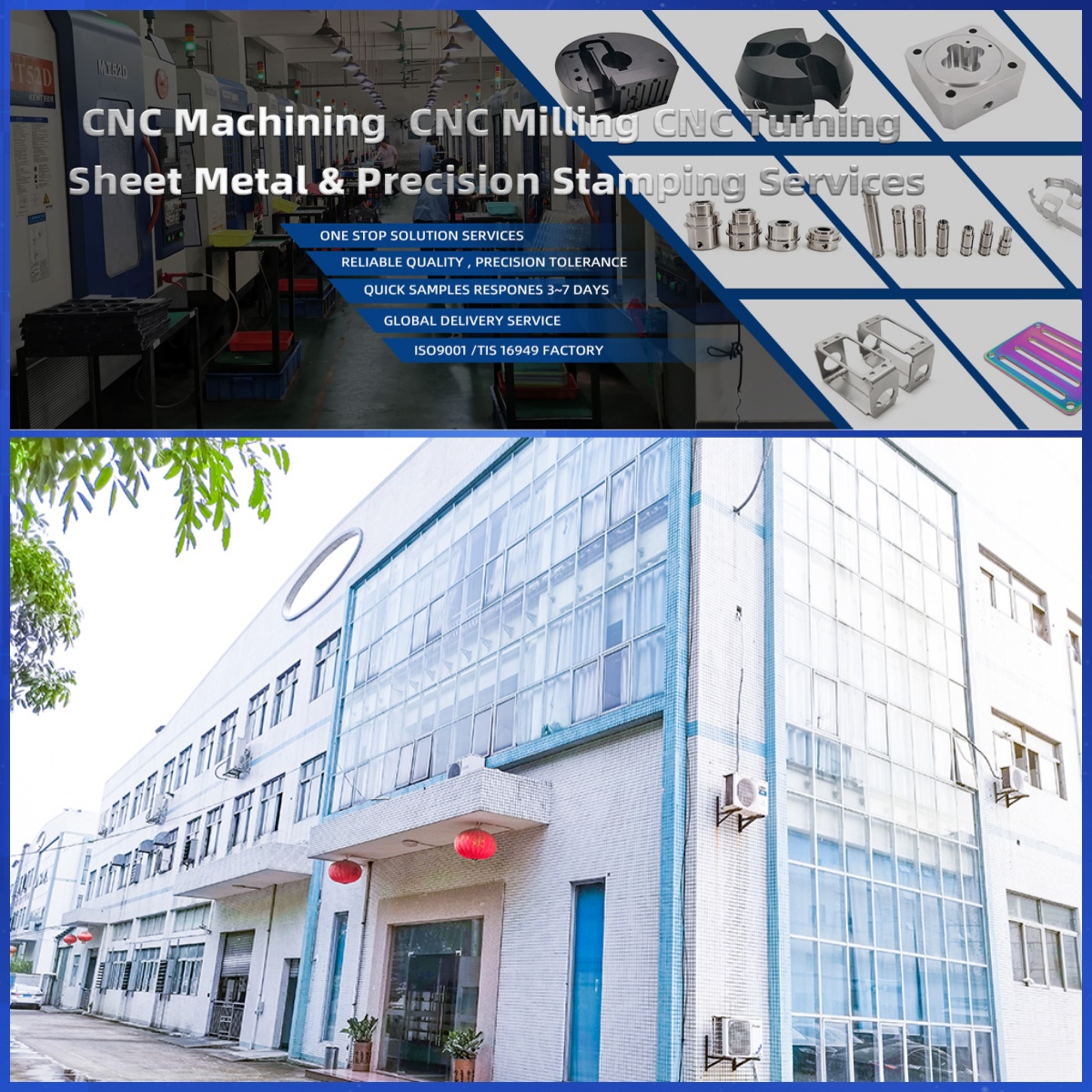
DongGuan YiTai Electronic Technologies Co.,Ltd
DongGuan YiTai Electronic Technologies Co.,Ltd is a manufacturing service provider located in Dongguan, China.
YiTai specialized in CNC turning machining and sheet metal fabrication mainly. As a member of Hung Mou Group, we focus on the overseas marketing development. And based on our parent company’s manufacturing capability and resources, YiTai also expended machining services such as die casting, injection molding, aluminum profile extrusion, 3D printing, which are committed to providing customers with one-stop purchasing services and experience.
CNC MACHINING , CNC MILLING , CNC TURNING , SHEETMETAL , FASTENER , OTHERS




Brass vs Stainless Steel: A Detailed Comparison
Exploring Cold Heading: Machines and Their Products
Related Article