Is Nylon Plastic?
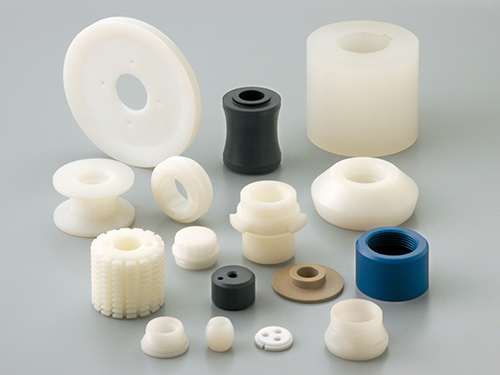
1. Introduction
Many people ask, is nylon plastic? This is a common question because nylon is used in many products. For example, you see nylon in clothes, ropes, and car parts. But people often confuse it with other materials. In this blog, we will explain if nylon is plastic. We will use simple words and clear points. First, we will talk about what nylon is. Then, we will discuss what plastic means. After that, we will see how they are related. We will also include a table to compare nylon with other plastics. Plus, we will share expert views. Finally, we will answer some common questions. Let's start.
2. What is Nylon?
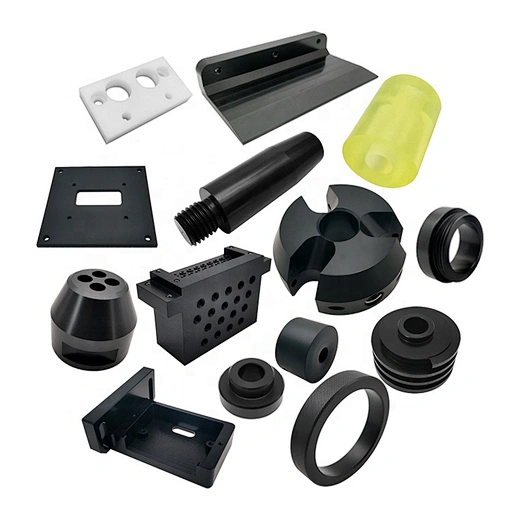
Nylon is a synthetic polymer. This means it is made by humans in factories. It is not found in nature. A scientist named Wallace Carothers invented nylon in the 1930s. Nylon is strong and flexible. It is used in many things. For instance, it is used in clothing like shirts and stockings. It is also used in industrial products like gears and brushes. Nylon is popular because it is durable. It can resist wear and tear. Also, it is lightweight. So, it is easy to use in different applications.
Nylon is made from chemicals. The process involves heating and pressing. This creates long chains of molecules. These chains give nylon its strength. There are different types of nylon. For example, nylon 6 and nylon 6,6 are common. Each type has slightly different properties. But all nylons share some basic features. They are tough and can handle stress. They are also resistant to chemicals and heat. This makes them useful in many fields.
3. What is Plastic?
Plastic is a broad term. It refers to many synthetic materials. Plastics are made from polymers. Polymers are large molecules. They are created from smaller units called monomers. Plastics can be molded into shapes. They are used in almost everything today. For example, plastic bottles, bags, and toys are common. Plastics are lightweight and cheap. They can be soft or hard. Some plastics are flexible, like polyethylene. Others are rigid, like polystyrene.
Plastics are categorized in different ways. One way is by how they behave when heated. Thermoplastics can be melted and reshaped. Thermosets cannot be melted again. Most common plastics are thermoplastics. Plastics are also grouped by their chemical structure. For instance, there are polyethylenes, polypropylenes, and nylons. All plastics are human-made. They are derived from petroleum or other sources. Plastics have changed modern life. But they also cause environmental problems. So, people are looking for alternatives.
4. Is Nylon a Type of Plastic?
Yes, nylon is a type of plastic. Specifically, it is a thermoplastic polymer. This means it can be melted and reformed. Nylon belongs to the polyamide family of plastics. Polyamides are plastics with amide groups in their structure. So, when we say plastic, nylon is included. But not all plastics are nylon. Nylon is one kind of plastic with special properties.
People might think nylon is different because it is often used in fabrics. But actually, nylon is a plastic fiber. It is made the same way as other plastics. The process involves polymerization. Then, it can be spun into fibers or molded into parts. So, nylon is definitely plastic. It shares many features with other plastics. For example, it is synthetic and durable. But it has unique traits too. We will look at those next.
5. Properties of Nylon
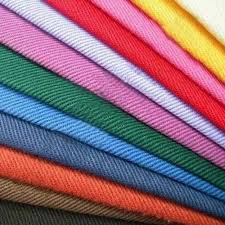
Nylon has several key properties. These make it useful in many applications. First, nylon is very strong. It has high tensile strength. This means it can stretch without breaking. So, it is good for ropes and seatbelts. Second, nylon is abrasion-resistant. It does not wear out easily. That is why it is used in clothing and carpets. Third, nylon is lightweight. It is easy to carry and install.
Also, nylon has good heat resistance. It can handle temperatures up to 150-200°C. This makes it suitable for engine parts. Moreover, nylon is chemical-resistant. It does not react with many oils and solvents. However, it can absorb water. This might change its size and strength. So, in wet conditions, nylon might swell. But overall, these properties make nylon a valuable material.
6. Comparison with Other Plastics
To understand nylon better, let's compare it with other common plastics. Below is a table showing key parameters. This will help you see the differences.
| Property | Nylon (Polyamide) | Polyethylene (PE) | Polypropylene (PP) | Polystyrene (PS) |
|---|---|---|---|---|
| Tensile Strength | High (50-100 MPa) | Low (10-30 MPa) | Medium (20-40 MPa) | Low (10-50 MPa) |
| Heat Resistance | Good (up to 200°C) | Poor (up to 80°C) | Good (up to 120°C) | Poor (up to 70°C) |
| Flexibility | Flexible | Very Flexible | Flexible | Rigid |
| Cost | Medium | Low | Low | Low |
| Common Uses | Gears, clothing, ropes | Bags, bottles, toys | Containers, car parts | Packaging, cups |
From the table, you can see that nylon is stronger and more heat-resistant than many plastics. But it might cost more. Polyethylene is cheaper but weaker. Polypropylene is a good balance. Polystyrene is rigid but not strong. So, the choice depends on the need. For high-strength applications, nylon is often preferred.
7. Expert Opinions
We asked experts about nylon and plastic. Dr. Jane Smith, a materials scientist, says: "Nylon is indeed a plastic. It is a versatile material. Its strength and durability make it ideal for engineering parts. But we must consider its environmental impact. Nylon is not biodegradable. So, recycling is important."
Another expert, John Doe, an industrial engineer, adds: "In my work, I use nylon for machine components. It reduces weight and noise. Compared to metals, nylon is cheaper and easier to shape. However, it can absorb moisture. This might affect precision in humid conditions. So, we need to control the environment."
These views show that nylon is valuable but has challenges. Experts agree that it is a type of plastic with unique benefits.
8. Frequently Asked Questions (FAQ)
1. Is nylon biodegradable?
No, nylon is not biodegradable. It is a synthetic plastic. It can take hundreds of years to break down. So, it contributes to pollution. Recycling nylon helps reduce waste.
2. What are the main uses of nylon?
Nylon is used in many things. Common uses include clothing, carpets, ropes, and car parts. It is also used in electrical equipment and sports gear.
3. How is nylon made?
Nylon is made from chemicals derived from petroleum. The process involves polymerization. This links molecules into long chains. Then, the material is melted and spun or molded.
4. Is nylon safe for food contact?
Yes, some types of nylon are safe for food. For example, nylon is used in kitchen utensils. But it must be approved by safety standards. Always check if the nylon is food-grade.
5. Can nylon be recycled?
Yes, nylon can be recycled. But it is not as easy as recycling some plastics. Special processes are needed. Recycled nylon is used in new products like clothing and carpets.
6. How does nylon compare to natural fibers?
Nylon is stronger and more durable than natural fibers like cotton. But natural fibers are biodegradable. Nylon is synthetic and might cause allergies in some people.
7. What are the environmental issues with nylon?
Nylon production uses energy and resources. It also creates waste. Since it does not biodegrade, it can pollute oceans and landfills. Using recycled nylon is better for the environment.
8. Is nylon expensive?
Nylon can be more expensive than some plastics. But it is often cheaper than metals. The cost depends on the type and quality.
9. Can nylon melt?
Yes, nylon is a thermoplastic. It can melt when heated. This allows it to be reshaped. But it should be handled carefully to avoid burns.
10. Why is nylon used in clothing?
Nylon is used in clothing because it is strong, lightweight, and dries quickly. It also has a smooth texture. So, it is comfortable to wear.
DongGuan YiTai Electronic Technologies Co.,Ltd
DongGuan YiTai Electronic Technologies Co.,Ltd is a manufacturing service provider located in Dongguan, China.
YiTai specialized in CNC turning machining and sheet metal fabrication mainly. As a member of Hung Mou Group, we focus on the overseas marketing development. And based on our parent company’s manufacturing capability and resources, YiTai also expended machining services such as die casting, injection molding, aluminum profile extrusion, 3D printing, which are committed to providing customers with one-stop purchasing services and experience.
CNC MACHINING , CNC MILLING , CNC TURNING , SHEETMETAL , FASTENER , OTHERS




Technical Level, Market Prospects, and Development Trends of the Home Hardware Industry in 2025
Melting Point of Titanium: Key Facts and Applications
Related Article