Why is Material Galvanized?

Any metal structure must be durable and maintain this characteristic for as long as possible. There is no doubt that steel possesses great strength, but many of its alloys are susceptible to damage under certain environmental conditions. When it comes to protecting metals from corrosion, galvanizing seems to be the best choice. Let's first take a look at some advantages of galvanizing and why it is performed.
Table of Contents
- What is Galvanized Steel?
- Advantages of Galvanized Steel
- Applications of Galvanized Steel
- Methods of Galvanizing Steel
- How Long Does Zinc Coating Last?
1. What is Galvanized Steel?
The galvanizing process involves applying a thin coating of another metal onto the existing metal. In most cases, zinc is used as the coating material for metal structures. This zinc protective layer shields the metal from the surrounding environment. Galvanized steel can withstand harsh environmental conditions, making it durable and highly suitable for outdoor use.
2. Advantages of Galvanized Steel
-
Enhanced Protection
The primary purpose of galvanizing is to prevent rust. This is why the surface of galvanized steel is covered with zinc oxide. The idea behind galvanizing is that the zinc layer must corrode first, ensuring the steel remains safe for a longer period. Without the zinc coating, the metal is more likely to corrode, and the corrosion process will accelerate due to exposure to natural elements. -
Longer Lifespan
This is a result of the protective properties of the coating. Research shows that under normal conditions, a piece of galvanized industrial steel can last up to 50 years. In highly corrosive environments with significant water exposure, the same piece can last up to 20 years. -
Better Appearance
This advantage is somewhat subjective, but most people agree that galvanized steel looks better compared to most steel alloys. Typically, it is brighter and can even appear shinier under certain types of coatings.
3. Applications of Galvanized Steel

The uses of galvanized steel are virtually unlimited. It is widely employed in many industries, such as construction, energy plants, agriculture, and sports. Galvanized steel also plays a critical role in the construction of roads, buildings, bridges, railway tracks, gates, signal gantries, storage containers, and sculptures. Therefore, whenever corrosion prevention is necessary, galvanizing is essential to protect the metal.
4. Methods of Galvanizing Steel
Different processes can be used for galvanizing:-
Hot-dip galvanizing
-
Electro-galvanizing
-
Sherardizing
-
Metal spraying
01 Hot-Dip Galvanizing
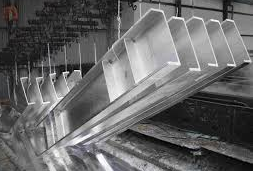
In this process, steel is immersed in a bath of molten zinc. Hot-dip galvanizing (HDG) involves three basic steps: surface preparation, galvanizing, and inspection.
-
Surface Preparation
Prefabricated steel sent for galvanizing undergoes three cleaning stages: degreasing, pickling, and fluxing. Without this cleaning process, galvanizing cannot proceed, as zinc will not react with impure steel. -
Galvanizing
After surface treatment, the steel is immersed in a bath of 98% molten zinc at 830°F. The steel is angled during immersion to allow air to escape from tubular shapes or other pockets. This also ensures zinc flows over and into the entire steel body. The iron inside the steel reacts with the zinc, forming a zinc-iron intermetallic coating, while a pure zinc coating deposits on the outer surface. -
Inspection
The final step involves inspecting the coating. Visual checks are conducted for uncoated areas, as the coating will not adhere to unclean steel. A magnetic thickness gauge can also determine the coating thickness.
02 Electro-Galvanizing

Electro-galvanized steel is produced through an electrochemical process. The steel is immersed in a zinc bath, and an electric current is passed through it. This process is also known as electroplating.
Before electro-galvanizing, the steel must be cleaned. Here, zinc acts as an anode to protect the steel. For electrolysis, zinc sulfate or zinc cyanide is used as the electrolyte, while the cathode protects the steel from corrosion. The electrolyte ensures zinc deposits as a coating on the steel surface. The longer the immersion time, the thicker the coating.
To enhance corrosion resistance, certain conversion coatings are highly useful. This process creates another layer of zinc and chromium hydroxide, giving the metal surface a blue appearance.
03 Sherardizing
Sherardizing involves forming a zinc coating on the surface of iron or steel to prevent metal corrosion.
In this process, steel is placed in a container with zinc, which is then sealed and heated to a temperature below the melting point of zinc. The reaction results in the formation of a zinc-iron alloy, with a robust outer layer of pure zinc adhering to the steel surface, providing considerable corrosion resistance. This coating also facilitates better paint adhesion on the surface.
Sherardizing is ideal for small metal objects. It is particularly suitable for shaped steel metal parts, as the outer layer easily follows the pattern of the base steel.
04 Metal Spraying
In metal spray galvanizing, charged or atomized molten zinc particles are sprayed onto the steel surface. This process is carried out using a pistol-type spray gun or a special flame.
Before spraying the zinc coating, all contaminants such as unwanted surface coatings, oil, and rust must be removed. After cleaning, atomized molten zinc particles are sprayed onto the roughened surface, where they solidify.
This metal spraying method is most suitable for avoiding flaking and peeling but is less effective in providing comparable corrosion resistance.
5. How Long Does Zinc Coating Last?
Durability typically depends on the thickness of the galvanized layer, as well as other factors such as environmental conditions, the type of galvanizing used, and the quality of paint or coating applied. The thicker the galvanized layer, the longer its lifespan.Hot-dip galvanized coatings tend to be more durable than cold-galvanized coatings, as they are generally thicker and more robust. Hot-dip galvanizing involves immersing the metal in molten zinc, whereas cold galvanizing involves spraying or brushing one or two layers.
In terms of durability, hot-dip galvanized coatings can last over 50 years under various environmental conditions. In contrast, cold-galvanized coatings may last only a few months or years, depending on the number of layers applied.
Additionally, in highly corrosive environments such as industrial settings, zinc coatings may not last long. Therefore, selecting high-quality zinc coatings and maintaining them is crucial for maximizing protection against corrosion, wear, and rust.
6. FAQs: Galvanized Steel Common Questions
Q1: Why is zinc used for galvanizing instead of other metals?
A: Zinc is the metal of choice for galvanizing primarily due to its unique sacrificial property. When exposed to the environment, zinc corrodes preferentially to steel, thereby protecting the underlying base metal. It also forms a tight, protective layer of zinc oxide that further shields the steel from moisture and oxygen.
Q2: What is the difference between hot-dip galvanizing and electro-galvanizing?
A: The key differences lie in the process and the resulting coating:
-
Hot-dip galvanizing involves immersing the steel in a bath of molten zinc, resulting in a thicker, more durable coating that is ideal for harsh outdoor environments.
-
Electro-galvanizing (electroplating) uses an electrical current to deposit zinc onto the steel surface. This creates a thinner, smoother coating that is more suited for aesthetic applications or indoor use where corrosion threats are lower.
Q3: Can galvanized steel be welded?
A: Yes, galvanized steel can be welded, but it requires special precautions. Welding generates extreme heat that vaporizes the zinc coating, releasing harmful fumes. Proper ventilation and respiratory protection are absolutely essential. Additionally, the weld area will lose its corrosion protection and will need to be treated with a zinc-rich paint to restore it.
Q4: How can I tell if steel is galvanized?
A: There are a few simple ways to identify galvanized steel:
-
Appearance: It typically has a characteristic crystalline pattern or spangle pattern (especially from hot-dipping) and a silvery-gray, somewhat dull finish.
-
Surface Test: Gently scratching the surface can reveal a bright, silvery layer underneath a darker oxide layer.
-
Magnet: A magnet will stick to galvanized steel since its core is still magnetic steel.
Q5: Does a scratched galvanized steel surface lose all protection?
A: No, that's a significant advantage of galvanizing. Even if the surface is scratched down to the bare steel, the surrounding zinc coating will continue to act as a sacrificial anode, corroding preferentially to protect the exposed steel area. This phenomenon is known as cathodic protection.
Q6: How long does a galvanized coating truly last?
A: The lifespan varies greatly depending on the environment:
-
Industrial/Coastal (high corrosion): 20-25 years or more.
-
Suburban/Temperate (moderate corrosion): 50+ years.
-
Rural/Dry (low corrosion): Can last over 100 years.
The thickness of the zinc coating is the primary factor determining its longevity.
Q7: Can you paint over galvanized steel?
A: Yes, but proper surface preparation is critical. The zinc coating must be weathered for about 6 months or chemically treated (e.g., with a vinegar solution or a special etching primer) to create a surface that paint can properly adhere to. Using a primer designed for galvanized metal is highly recommended.
DongGuan YiTai Electronic Technologies Co.,Ltd
DongGuan YiTai Electronic Technologies Co.,Ltd is a manufacturing service provider located in Dongguan, China.
YiTai specialized in CNC turning machining and sheet metal fabrication mainly. As a member of Hung Mou Group, we focus on the overseas marketing development. And based on our parent company’s manufacturing capability and resources, YiTai also expended machining services such as die casting, injection molding, aluminum profile extrusion, 3D printing, which are committed to providing customers with one-stop purchasing services and experience.
CNC MACHINING , CNC MILLING , CNC TURNING , SHEETMETAL , FASTENER , OTHERS




Metal Surface Treatment – How to Interpret Salt Spray Test Reports
The Complete Guide to CNC Machining Workflow: From Blueprint to Finished Product
Related Article