Decoding Mold Costs: What Are You Paying For?
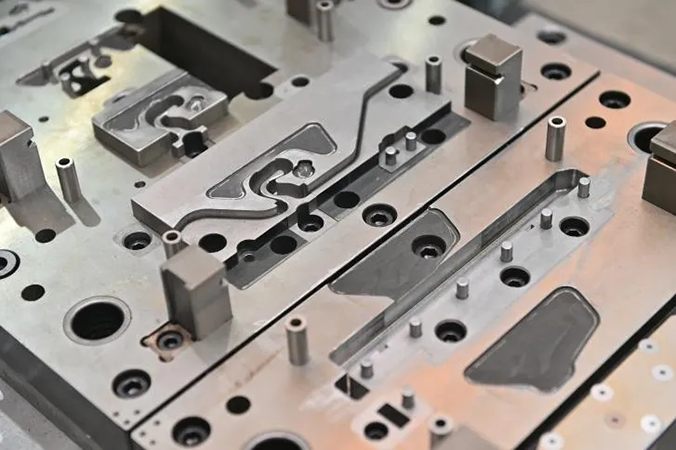
Getting a quote for a new mold can be surprising. The price, often called the "mold tooling cost" or "upfront investment," is a big number. This article explains what that cost includes. We will break down the main parts of the price. We will also show hidden factors that change the price. Finally, we give tips to help lower your cost.
1. The Three Main Parts of Mold Cost
A mold price is not one single thing. It is the total of three major cost blocks. These are materials, design work, and machine time.

1.1 Material Cost: Mold Base and Core Steel Weight and Market Price
The mold is made from special, hard steel. There are two main parts. First, the standard mold base. This is the outer frame. Second, the core and cavity steel blocks. These are custom-cut to shape your product.
The cost here depends on the size and weight of the steel. Larger molds need more steel. More complex products need bigger blocks of steel. The grade of steel also matters. Harder, more durable steel costs more. This is a direct material cost you pay for.
1.2 Design and Programming Fee: What is an Experienced Engineer Worth?
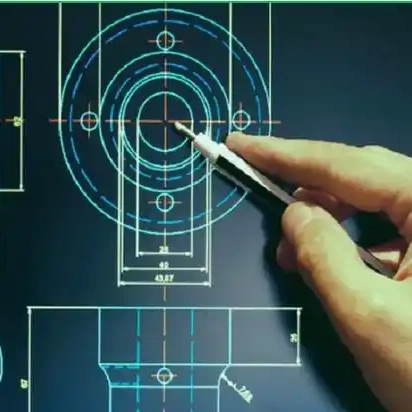
Before any steel is cut, the mold must be designed. A skilled engineer uses CAD software to design every part. This work is critical. A good design means a mold that works well and lasts long. A bad design causes production problems.
Next, a programmer creates the CNC machine paths. They turn the 3D design into instructions for machines. This work needs experience and knowledge. You pay for the engineer's and programmer's time and expertise. This cost is fixed and happens before manufacturing starts.
1.3 Machining Hourly Cost: Equipment Costs for CNC, EDM, and Wire Cutting
This is the largest part of the cost usually. It is the fee for using expensive machines to make the mold.

-
CNC Machining: Uses milling machines to cut the basic shape. Rough machining is faster. Precision finishing is slower and more expensive.
-
EDM (Electrical Discharge Machining): Uses sparks to burn very detailed or hard-to-reach shapes. This process is slow but very accurate.
-
Wire Cutting: Uses a thin electrified wire to cut precise, straight shapes. It is used for tight slots and holes.
You pay for the machine time (hourly rate) for each process. Complex molds need more machine hours.
2. Hidden Factors That Affect Mold Price
Two big choices you make early on will change the price significantly. Many people do not see these costs at first.
2.1 Cavity Number Choice: The Trade-off Between Cost and Output
This is a key decision. How many parts do you want the mold to make in one cycle?
-
Single-Cavity Mold (1+1): Makes one part per cycle. It has the lowest upfront cost. Good for low-volume production or prototypes.
-
Multi-Cavity Mold (e.g., 1+4): Makes four parts per cycle. It has a much higher upfront cost. But, the cost per part is lower in mass production.
| Factor | Single-Cavity Mold (1+1) | Multi-Cavity Mold (1+4) |
|---|---|---|
| Mold Cost | Lower | Much Higher (3-4x or more) |
| Part Output per Cycle | 1 | 4 |
| Effective Part Cost | Higher | Lower |
| Best For | Prototypes, Low Volume | High-Volume Mass Production |
2.2 Mold Life Expectancy: The Cost Difference Between 300k and 1 Million Cycles
How long should your mold last? A mold for 300,000 cycles is different from one for 1,000,000 cycles.
A high-life mold needs:
-
Better quality steel that is more wear-resistant.
-
More robust design with stronger components.
-
Additional hardening treatments on critical areas.
This increases the initial cost. But, it lowers the cost per part over the mold's lifetime. You must choose based on your total production plan.
3. How to Optimize Product Design to Lower Mold Cost
You can control the cost. Smart product design makes the mold simpler and cheaper to build.
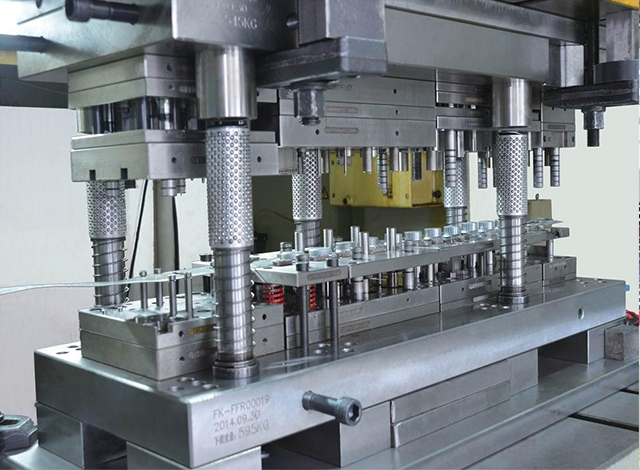
3.1 Practical Tips to Reduce Sliders and Undercuts
Undercuts are features that "lock" the part in the mold, requiring sliders.
3.2 Tips to reduce them:
-
Design draft angles on all vertical walls. This helps the part eject easily.
-
Avoid side holes. If possible, design the part so holes are in the top or bottom.
-
Use "shut-offs" in the main mold design instead of side actions.
-
Simplify geometry. Every curve and corner can add machining time. Straight lines and simple curves are easier to machine.
3.3 The Rule of Thumb
A simpler part design means a simpler mold. A simpler mold costs less money and takes less time to build. Always consult with your mold maker before finalizing your design.
4. Expert Insights
Mike Zhang, a Mold Design Manager with 15 years of experience, says: "The biggest cost-saving happens before the drawing is finalized. Many clients focus on the machine hour rate. But, one smart design change can save 20% of the machining time. For example, removing one unnecessary slider can save thousands of dollars in mold cost and weeks in delivery time. Always do a design for manufacturability (DFM) review with your supplier."
5. Frequently Asked Questions (FAQ)
Q1: Why is the initial mold cost so high? Can I get it back?
A: The high cost pays for the custom design, precision engineering, and machining of your unique tool. It is a capital investment. You get this cost back over time because the cost per molded part becomes very low. The mold is an asset you own.
Q2: Who owns the mold after paying for it?
A: Typically, you, the customer, own the mold. It is your property. A good supplier will store it for you and maintain it when production is paused. Always confirm ownership terms in your agreement.
Q3: Can I get a cheaper price by using a softer steel?
A: Sometimes. But, this is risky. Softer steel wears out faster. It may only last for 50,000 cycles instead of 500,000. Your cost per part will be higher in the long run because you must repair or replace the mold sooner. It is not recommended.
Q4: How long does it take to build a typical injection mold?
A: For a standard, medium-complexity mold, expect 6 to 10 weeks. Very simple molds may take 4 weeks. Very large or complex molds can take 14 weeks or more. Time depends on your design and the supplier's workload.
Q5: What are "mold maintenance costs"?
A: Molds need care. After many cycles, parts wear down. Maintenance costs cover cleaning, polishing worn surfaces, and replacing small parts like springs or pins. This is a normal operational cost to keep your mold running well.
DongGuan YiTai Electronic Technologies Co.,Ltd
DongGuan YiTai Electronic Technologies Co.,Ltd is a manufacturing service provider located in Dongguan, China.
YiTai specialized in CNC turning machining and sheet metal fabrication mainly. As a member of Hung Mou Group, we focus on the overseas marketing development. And based on our parent company’s manufacturing capability and resources, YiTai also expended machining services such as die casting, injection molding, aluminum profile extrusion, 3D printing, which are committed to providing customers with one-stop purchasing services and experience.
CNC MACHINING , CNC MILLING , CNC TURNING , SHEETMETAL , FASTENER , OTHERS




CNC Machining vs. 3D Printing: Choosing the Right Process for Your Metal Prototypes and Final Parts
Laser Cutting & CNC: Machining Limits and Tolerances for Different Aluminum Gauges
Related Article