The Complete Guide to Hard Anodizing Colors: Types, Properties, and How to Choose for CNC Aluminum Parts
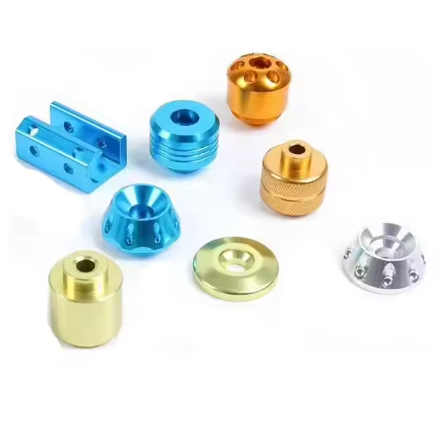
This guide explains hard anodizing colors. It shows what colors you can get. It explains how color affects performance. And it helps you pick the right color for your CNC aluminum parts.
1. What is Hard Anodizing? – Function Meets Beauty
Hard anodizing is also called Type III anodizing. It is different from regular anodizing. The process uses cold temperatures and higher current. This creates a much thicker oxide layer.
How It Works
The aluminum part goes into an acid bath. Electric current runs through it. The surface turns into aluminum oxide. This oxide is very hard. It is almost as hard as diamond. For Type III, the layer is 25 to 150 microns thick.
Type II vs Type III – Key Differences
The table below shows the main differences.
| Feature | Type II (Regular) | Type III (Hard) |
|---|---|---|
| Coating Thickness | 5–25 microns | 25–150 microns |
| Hardness | 200–400 HV | 400–600 HV |
| Wear Resistance | Good | Excellent |
| Color Options | Wide range | Limited |
| Cost | Lower | Higher |
Performance Gains
Hard anodizing adds three key benefits.
-
Hardness: The surface becomes much harder. It resists scratching and wear.
-
Wear Resistance: Moving parts last longer. The coating does not wear off.
-
Corrosion Resistance: The thick oxide layer stops rust. It protects the aluminum.
2. Hard Anodizing Color Options Explained
Color is a big reason people choose anodizing. But hard anodizing has limits. The thick coating changes how colors look.
Natural / Undyed
The natural color of hard anodizing is gray to dark gray. It depends on the aluminum alloy and the process. 6061 aluminum gives a lighter gray. 7075 gives a darker, olive-gray. No dye is used. This is the most common finish for functional parts.
Black Hard Anodizing
Black is the most popular color for hard anodizing. It takes dye well. The black is deep and consistent. It does not fade. Black hard anodizing is common on cameras, firearms, and industrial equipment.
Colors – Green, Red, Blue, Gold
Colors are possible. But they are not as bright as Type II colors. The thick coating absorbs dye differently. Green and gold work well. Red and blue can look darker than expected. For large production runs, colors are doable. For prototypes, the cost is higher.
Why Color Choices Are Limited
Hard anodizing has a thick, porous structure. The pores are not uniform. Dye absorption is uneven. Bright, light colors are hard to get. Dark colors work best. If you need a bright red part, Type II is a better choice.
3. How Color Affects Performance
Many engineers worry that color changes performance. Here is what you need to know.
Does Dye Affect Hardness and Wear?
No. The dye goes into the pores. It sits inside the oxide layer. The hardness comes from the oxide itself. Dye does not change it. A black hard anodized part is just as hard as a natural one.

UV Resistance
This matters for outdoor parts.
-
Natural and black: Excellent UV resistance. They do not fade.
-
Colors (green, red, blue): Some fading over time. For outdoor use, ask about UV-stable dyes.
Color and Coating Thickness
Thicker coatings look darker. A 25-micron hard coat looks lighter than a 75-micron coat. If color consistency matters, we control the thickness tightly.
4. How to Choose a Hard Anodizing Color for Your Part
Not every part needs color. Here is how to decide.
Function First – Natural or Black
For parts that need maximum wear resistance, natural or black are the safe choices. These colors are reliable. They do not fade. They work on all alloys.
Brand Identity – Evaluate Color Feasibility
If your part needs a specific brand color, we can test it. Send us a sample. We run a test batch. We check if the color matches your brand guide. This is common for consumer products and high-end tools.
Match the Use Case
Different industries have different color needs.
-
Outdoor equipment: Black or natural. UV resistance matters.
-
Military and defense: Olive drab, black, or natural. Matte finishes preferred.
-
Consumer goods: Colors like gold, blue, or red. Aesthetics matter.
5. Comparison Table: Hard Anodizing Colors at a Glance
| Color | Availability | UV Resistance | Best Use |
|---|---|---|---|
| Natural (Gray) | Always | Excellent | Industrial, functional parts |
| Black | Always | Excellent | Consumer goods, outdoor gear |
| Gold | Good | Good | Aerospace, high-end tools |
| Green | Good | Moderate | Military, tactical equipment |
| Red / Blue | Limited | Moderate | Brand-specific, prototypes |
6. Expert Insight: Getting Color Right on Hard Coat
“Clients often expect the same bright colors from Type II anodizing. But hard anodizing is different. The coating is thick. It changes the light reflection. A red hard coat looks burgundy, not bright red. We always run a sample first. We put the color sample next to the part. We let the client approve it. This stops surprises. And for parts that need both hard coat and a bright color, we sometimes do two steps. A thin Type II coat for color. Then a hard coat on the wear surfaces.”
— Anodizing Process Engineer, DongGuan YiTai Electronic Technologies
7. One-Stop Service: CNC Machining + Hard Anodizing with Color
At ‘DongGuan YiTai Electronic Technologies’ , we do it all. We machine your aluminum parts. We run the hard anodizing line. We add the color. All in one place.
Why this helps you.
-
One vendor: No need to ship parts to another shop.
-
Tighter control: We manage the whole process. Quality is consistent.
-
Faster delivery: No back-and-forth between vendors.
Send us your 3D drawing. Tell us the color you want. Tell us how the part will be used. We will recommend the right anodizing type and color. We will also give you a quote that covers machining and finishing.
8. Frequently Asked Questions (FAQ)
Q: Can I get a bright red color with hard anodizing?
A: Not really. Hard anodizing gives dark, muted colors. A red hard coat looks burgundy or dark wine. If you need a bright red, consider Type II anodizing or powder coating. Type II gives much brighter colors.
Q: Does hard anodizing change the size of my part?
A: Yes. Hard anodizing adds 25 to 150 microns to the surface. That is about half the thickness of a sheet of paper. For press-fit parts or threaded holes, we account for this. We machine the part smaller. The anodizing brings it to the final size.
Q: Is black hard anodizing more expensive than natural?
A: A little. The dye and the extra sealing step add cost. For small runs, the difference is small. For large runs, black adds 10–20% to the anodizing cost. The machining cost stays the same.
Q: Can I hard anodize all aluminum alloys?
A: No. Some alloys work better than others. 6061 and 7075 are excellent. They give a hard, uniform coating. 2024 and 5052 are harder to anodize. The coating may be uneven. For the best result, we recommend 6061-T6 or 7075-T6.
Q: How do I choose between Type II and Type III anodizing?
A: Ask one question. Does the part need wear resistance? If the part moves against another part, choose Type III. If the part only needs corrosion protection and a bright color, choose Type II. We help you decide based on the part drawing.
Q: Does DongGuan YiTai Electronic Technologies offer colored hard anodizing?
A: Yes. We offer black, gold, green, and custom colors for hard anodizing. We run a sample first. We confirm the color matches your expectation. Then we run the full order.
DongGuan YiTai Electronic Technologies Co.,Ltd
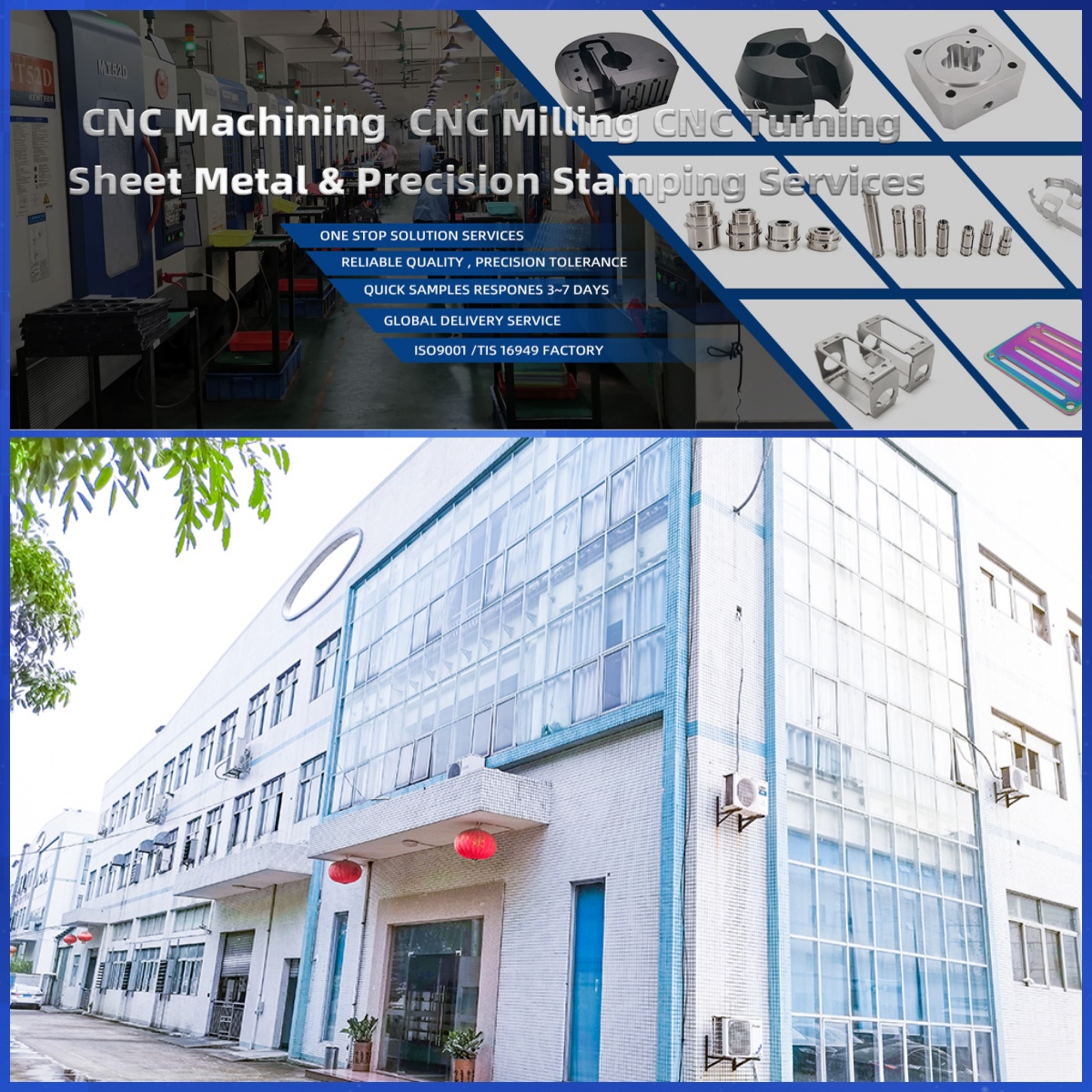
DongGuan YiTai Electronic Technologies Co.,Ltd is a manufacturing service provider located in Dongguan, China.
YiTai specialized in CNC turning machining and sheet metal fabrication mainly. As a member of Hung Mou Group, we focus on the overseas marketing development. And based on our parent company’s manufacturing capability and resources, YiTai also expended machining services such as die casting, injection molding, aluminum profile extrusion, 3D printing, which are committed to providing customers with one-stop purchasing services and experience.
CNC MACHINING , CNC MILLING , CNC TURNING , SHEETMETAL , FASTENER , OTHERS




What is a Threaded Hole? A Complete Guide to Threads in CNC Machining
What is Galvanizing? A Complete Guide to Corrosion Protection for CNC Machined Steel Parts
Related Article