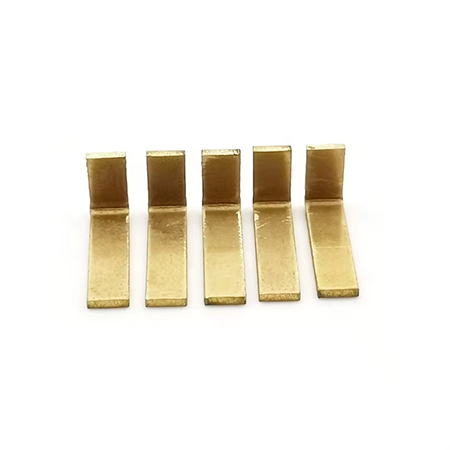
What is Gold Electroplate? A Complete Guide

1. Definition & Core Purpose
- Aesthetic appeal: Mimics the luxurious look of solid gold at a fraction of the cost.
- Functional protection: Shields the base metal from corrosion, tarnish, and wear, while also enhancing conductivity (key for electronics).
2. How Gold Electroplating Works (Step-by-Step)

Step 1 – Surface Preparation
- Degreasing with solvents.
- Etching (light acid treatment) to create a rough surface for better gold adhesion.
Step 2 – Electrolyte Bath Setup
Step 3 – Electroplating Process
- The cleaned base metal is dipped into the bath and connected to the cathode (negative terminal) of a power source.
- A solid gold piece (or gold alloy) is connected to the anode (positive terminal).
- When electricity flows, gold ions from the solution are drawn to the cathode (base metal), where they solidify into a thin, uniform layer.
Step 4 – Post-Treatment
3. Key Types of Gold Electroplate
1. Decorative Gold Electroplate

- Thickness: 0.1–0.5 microns.
- Use: Jewelry, watches, decorative hardware (e.g., drawer pulls).
- Features: Often alloyed with copper or silver to warm the gold tone; may have a lacquer coating to prevent scratching.
2. Functional Gold Electroplate

- Thickness: 0.5–1.5 microns.
- Use: Electronics (connectors, circuit boards), medical devices.
- Features: High purity (99.9% gold) to maximize electrical conductivity and resistance to corrosion. For a deeper dive into non-electrolytic gold coating alternatives, check out our previous blog Chemical Gold Plating.
3. Hard Gold Electroplate
- Thickness: 1.0–2.5 microns.
- Use: High-wear parts (e.g., switch contacts, aerospace components).
- Features: Alloyed with nickel or cobalt to increase hardness; withstands repeated friction without peeling.
4. Applications Across Industries
Jewelry & Luxury Goods
Electronics
Automotive & Aerospace
Medical Devices
5. Gold Electroplate vs. Related Processes
Gold Electroplate vs. Solid Gold
- Solid gold: The entire piece is gold (e.g., 14K, 18K), making it expensive and heavy.
- Gold electroplate: Only a thin gold layer covers a base metal—affordable but less durable long-term.
Gold Electroplate vs. Gold-Filled
- Gold-filled: A thicker gold layer (5%+ of total weight) is bonded to base metal via heat and pressure—more durable than electroplate but pricier.
- Gold electroplate: Thinner layer (<<1% of total weight) applied via electrolysis—cheaper but prone to wear over time.
6. Expert Insights
7. Frequently Asked Questions (FAQs)
DongGuan YiTai Electronic Technologies Co.,Ltd
DongGuan YiTai Electronic Technologies Co.,Ltd is a manufacturing service provider located in Dongguan, China.
YiTai specialized in CNC turning machining and sheet metal fabrication mainly. As a member of Hung Mou Group, we focus on the overseas marketing development. And based on our parent company’s manufacturing capability and resources, YiTai also expended machining services such as die casting, injection molding, aluminum profile extrusion, 3D printing, which are committed to providing customers with one-stop purchasing services and experience.
CNC MACHINING , CNC MILLING , CNC TURNING , SHEETMETAL , FASTENER , OTHERS




Common Methods for Rust Prevention and Removal on Metal Parts
Laser Marking in the Hardware Industry: A Guide to Permanent, High-Quality Traceability and Branding
Related Article