Galvanized steel plate-3
author: YITECH
2024-12-13

Our company provides high-quality galvanized steel plates that are coated with a layer of zinc to provide superior corrosion resistance and durability, making them ideal for construction, automotive, and industrial applications.
Galvanizing is a metal surface treatment technology mainly used for steel materials to provide anti-corrosion protection and enhance material durability. Galvanizing layers can be electroplated zinc, hot-dip galvanized zinc, or other types of galvanizing, each with its specific application scenarios and advantages.
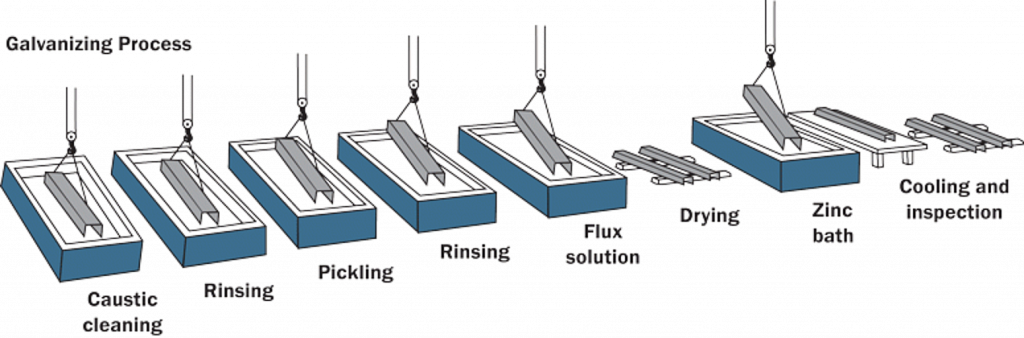
Types of Galvanizing:
1. Electroplated Zinc: Pure zinc or zinc alloy is deposited on the surface of steel through an electrochemical reaction. The zinc layer obtained by this method is thin but very uniform and suitable for occasions that require fine protection.
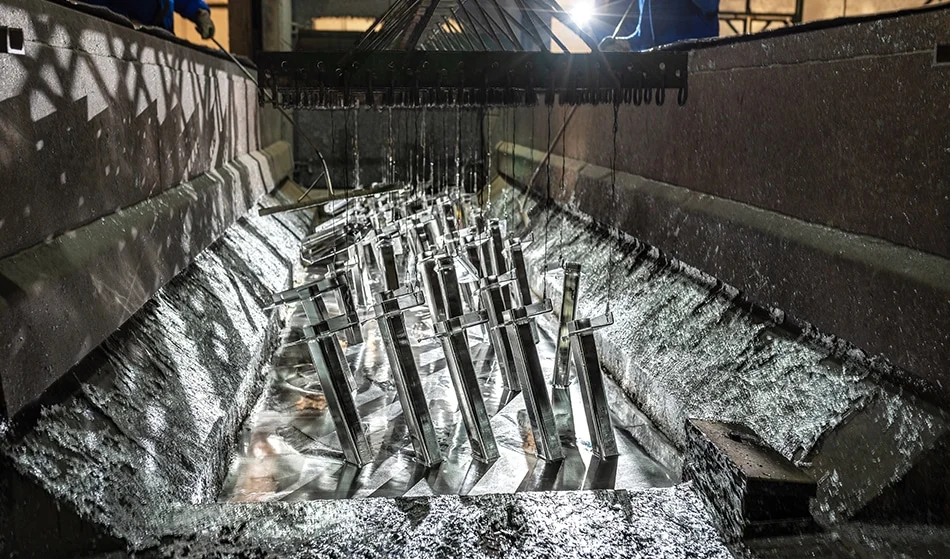
2. Hot-Dip Galvanized Zinc: The steel material is immersed in molten zinc to form a thicker layer of zinc on the surface. The hot-dip galvanized zinc layer is thicker and more corrosion-resistant and is commonly used in the construction, automotive, and agricultural machinery fields.
3. Mechanical Galvanizing: Zinc powder is pressed into the steel surface through physical impact to form a zinc layer. This method is suitable for complex-shaped parts that are difficult to electroplate or hot dip.
4. Zinc Spray Galvanizing: Zinc powder or zinc wire is sprayed onto the surface of steel using spray technology, and the zinc is melted and attached to the steel by heating.
Steps of Galvanizing:
1. Pre-treatment: Remove oil, rust, and other impurities from the surface of the steel to ensure that the zinc layer can be firmly attached.
2. Cleaning: The pre-treated steel material needs to be thoroughly cleaned to remove residual chemical treatment agents.
3. Galvanizing: Depending on the selected galvanizing process, the steel material is immersed in zinc solution and zinc layer is deposited through electroplating, zinc is attached through spray and mechanical methods.
4. Post-treatment: The galvanized steel material may need to undergo passivation treatment, oiling or other protective measures to enhance its corrosion resistance and provide additional protection.
5. Inspection and Testing: Inspect and test the thickness, uniformity, and adhesion of the galvanizing layer to ensure that the quality standards are met.
Advantages of Galvanizing:
Corrosion resistance: Zinc layers can effectively prevent corrosion of steel materials and extend their service life.
Aesthetics: Zinc layers can provide a certain aesthetic effect, especially after forming natural zinc-aged appearance.
Economic: Galvanizing is a cost-effective anti-corrosion method, especially suitable for mass production.
Environmental protection: Compared with some other metal coatings, the galvanizing process is relatively environmentally friendly, and zinc is a recyclable material.
Limitations of Galvanizing:
Heat resistance: Zinc layer may melt or burn at high temperatures, limiting its use in some high-temperature applications.
Processability: The galvanizing layer may affect some processing properties of the steel material, such as welding.
Zinc smoke and dust: In some galvanizing processes, such as hot-dip galvanizing, zinc smoke and dust need to be properly treated to protect workers' health and the environment.
Galvanizing provides an effective anti-corrosion solution for steel materials and is widely used in the fields of construction, automotive, bridges, home appliances, and industrial products. By selecting the appropriate galvanizing process, the durability and reliability of steel materials can be significantly improved.
Types of Galvanizing:
1. Electroplated Zinc: Pure zinc or zinc alloy is deposited on the surface of steel through an electrochemical reaction. The zinc layer obtained by this method is thin but very uniform and suitable for occasions that require fine protection.
2. Hot-Dip Galvanized Zinc: The steel material is immersed in molten zinc to form a thicker layer of zinc on the surface. The hot-dip galvanized zinc layer is thicker and more corrosion-resistant and is commonly used in the construction, automotive, and agricultural machinery fields.
3. Mechanical Galvanizing: Zinc powder is pressed into the steel surface through physical impact to form a zinc layer. This method is suitable for complex-shaped parts that are difficult to electroplate or hot dip.
4. Zinc Spray Galvanizing: Zinc powder or zinc wire is sprayed onto the surface of steel using spray technology, and the zinc is melted and attached to the steel by heating.
Steps of Galvanizing:
1. Pre-treatment: Remove oil, rust, and other impurities from the surface of the steel to ensure that the zinc layer can be firmly attached.
2. Cleaning: The pre-treated steel material needs to be thoroughly cleaned to remove residual chemical treatment agents.
3. Galvanizing: Depending on the selected galvanizing process, the steel material is immersed in zinc solution and zinc layer is deposited through electroplating, zinc is attached through spray and mechanical methods.
4. Post-treatment: The galvanized steel material may need to undergo passivation treatment, oiling or other protective measures to enhance its corrosion resistance and provide additional protection.
5. Inspection and Testing: Inspect and test the thickness, uniformity, and adhesion of the galvanizing layer to ensure that the quality standards are met.
Advantages of Galvanizing:
Corrosion resistance: Zinc layers can effectively prevent corrosion of steel materials and extend their service life.
Aesthetics: Zinc layers can provide a certain aesthetic effect, especially after forming natural zinc-aged appearance.
Economic: Galvanizing is a cost-effective anti-corrosion method, especially suitable for mass production.
Environmental protection: Compared with some other metal coatings, the galvanizing process is relatively environmentally friendly, and zinc is a recyclable material.
Limitations of Galvanizing:
Heat resistance: Zinc layer may melt or burn at high temperatures, limiting its use in some high-temperature applications.
Processability: The galvanizing layer may affect some processing properties of the steel material, such as welding.
Zinc smoke and dust: In some galvanizing processes, such as hot-dip galvanizing, zinc smoke and dust need to be properly treated to protect workers' health and the environment.
Galvanizing provides an effective anti-corrosion solution for steel materials and is widely used in the fields of construction, automotive, bridges, home appliances, and industrial products. By selecting the appropriate galvanizing process, the durability and reliability of steel materials can be significantly improved.
We are specialized in making all kinds of metal parts suppliers, if you are looking for services to make galvanized products, please do not hesitate to contact us, we will give you a satisfactory quote.
What is the Difference between Chrome Plating, Nickel Plating and Zinc Plating?
Chrome plating-2
Related Article
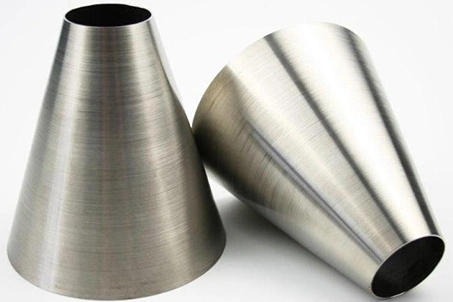
Learn how metal spinning forms rotationally symmetric parts, compare process options, and review materials, applications, cost factors, and RFQ requirements.
Metal Spinning: How the Process Works and When to Use It
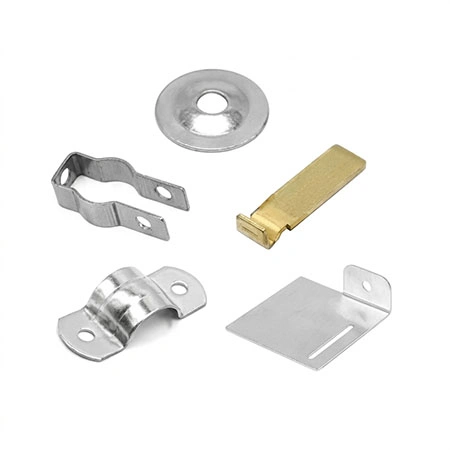
Explore precision metal fabrication processes, tolerance control, inspection, cost factors, and what to include in a custom-part RFQ.
Precision Metal Fabrication: From Drawing Review to Inspection