From CNC to Perfect Finish: The Complete Manufacturing Process for Epoxy-Coated Aluminum Parts
1. Introduction: Precision Workmanship – Five Essential Steps
A high-performance epoxy-coated aluminum component is far more than just a piece of painted metal. It is the product of a controlled, multi-stage process where every step is critical. Omitting any single step can lead to problems later on. This guide details the five core processes, showing how raw aluminum is transformed step by step into a finished part that is durable, reliable, and aesthetically refined.
2. Stage 1: Precision Forming – Preparing the Perfect Base
2.1 CNC Machining and Sheet Metal Forming
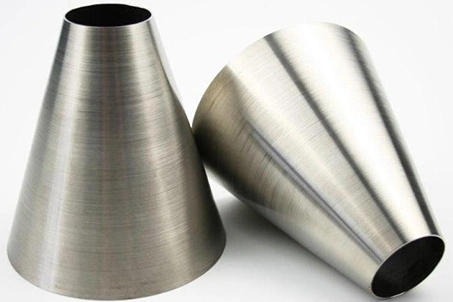
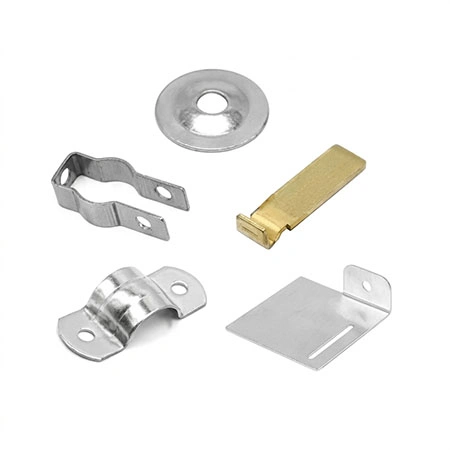
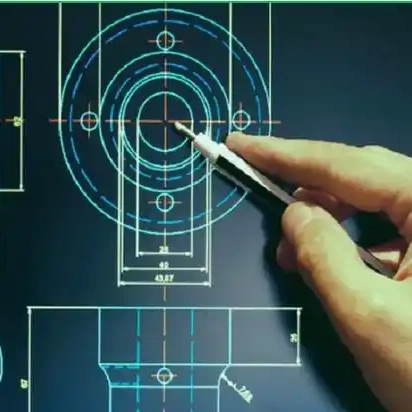
- CNC Machining: Ensures precise dimensions. All edges must be smooth and even. Sharp burrs and stress concentration points must be removed — burrs can cause coating lifting, while stress points can lead to cracking in later use.
- Sheet Metal Forming: Bending and cutting must be highly accurate. Any deformation or dent will remain clearly visible even after coating application.
2.2 Welding and Assembly
- Welds must be continuous and strong.
- Grinding welds smooth is essential: rough welds will show through the coating and can also result in excessively thin coating in localized areas. Grinding and polishing welds to a smooth finish is a key step to ensuring high-quality final appearance.
3. Stage 2: Pre-Treatment – The Lifeline of Coating Adhesion
3.1 Precision Cleaning
The part must be absolutely clean. Any contamination will block adhesion.
-
The process removes all oil, grease, and cutting fluid. This is done with specialized alkaline or acidic cleaning chemicals.
-
Rinsing with clean water is also important. It removes all cleaning chemical residue.
3.2 Chemical Conversion (e.g., Chromating or Zirconium)
This is the most important step for adhesion on aluminum. Cleaning alone is not enough.
-
The part is treated in a chemical bath. This bath creates a micron-level conversion layer on the aluminum surface.
-
This layer does two things. First, it improves the mechanical bond for the epoxy. Second, it adds corrosion resistance under the coating.
-
There are different types. Chromate conversion (yellow or clear) is very common and effective. Zirconium-based treatment is a more modern, environmentally friendly option.
4. Stage 3: Coating Application and Curing
4.1 Spraying Process
The epoxy powder is applied now. Electrostatic Spray (ESP) is the standard method.
-
The powder is given a negative electrical charge. The aluminum part is grounded (positive charge).
-
The charged powder is attracted to the part. This ensures uniform coverage, even on complex shapes and edges.
-
It is efficient. Extra powder that does not stick can be collected and reused.
4.2 The Science of Curing
After spraying, the part goes into an oven. This is not just drying; it is curing.
-
Heat causes a chemical reaction. The powder particles melt, flow together, and then cross-link to form a hard, solid film.
-
The temperature-time curve is critical. Too low or too short, and the coating is soft and weak. Too high or too long, and it can become brittle or discolor.
-
Dr. Lisa Park, a coatings specialist, explains: "The cure schedule is part of the coating's formula. Following the supplier's exact time and temperature specs is non-negotiable for achieving the published performance metrics."
5. Stage 4: Quality Inspection and Performance Testing
5.1 Visual Inspection
First, inspectors look at the part. They check for common defects:
-
Gloss level and color match the standard.
-
Orange peel (a bumpy texture), runs, or poor flow and leveling.
-
Any dirt, holes, or bare spots.
5.2 Performance Testing
Samples from the production batch are tested. This proves the coating's quality.
| Test Method | What It Measures | Why It's Important | Common Standard/Result |
|---|---|---|---|
| Cross-Cut Adhesion Test (ASTM D3359) | Coating adhesion to the metal | Ensures coating won't peel off | Class 5B (best) is typical for a good process |
| Dry Film Thickness Gauge | Coating thickness (in microns or mils) | Too thin = poor protection. Too thick = can crack or waste money. | Must meet specified range (e.g., 60-80 µm) |
| Insulation Resistance Test | Electrical insulating property | Critical for parts used in electronics or electrical enclosures | Very high resistance value (e.g., >1000 MΩ) |
6. Industry Expert FAQ
Q1: Why can't we just spray epoxy paint directly onto the machined aluminum?
You can, but the coating will fail. Without pre-treatment, adhesion is only mechanical and weak. Oils and oxides on the surface will cause the coating to peel off quickly. The chemical conversion layer is essential for a strong, long-lasting bond.
Q2: What is the difference between "baking" and "curing"?
Baking simply means applying heat to dry or harden something. Curing is a specific chemical reaction (cross-linking) that creates a new, durable polymer network. Epoxy powder requires curing, not just baking.
Q3: How do you control coating thickness on sharp edges?
Edges are a challenge. The coating tends to be thinner there due to electrostatic field concentration. Good process control involves:
-
Proper grounding of the part.
-
Adjusting gun settings and powder output.
-
Sometimes using a primer or a different edge-covering powder first.
Q4: Can epoxy-coated aluminum parts be used outdoors?
Epoxy has good chemical resistance but poor UV resistance. Prolonged sunlight will cause it to chalk (powder on the surface) and degrade. For outdoor use, a UV-resistant topcoat (like polyurethane) over the epoxy is recommended.
Q5: What causes "orange peel" texture, and how is it fixed?
Orange peel is often caused by the powder not melting and flowing smoothly. The cause can be incorrect cure temperature, wrong powder formulation for the part thickness, or improper application. Fixing it requires adjusting the cure profile or spray parameters.
Q6: How is waste powder managed?
A modern electrostatic spray booth has a recovery system. Powder that does not stick to the part is collected by a cyclone and filters. This clean, overspray powder can often be mixed with new powder and reused (up to a certain percentage), making the process very efficient.
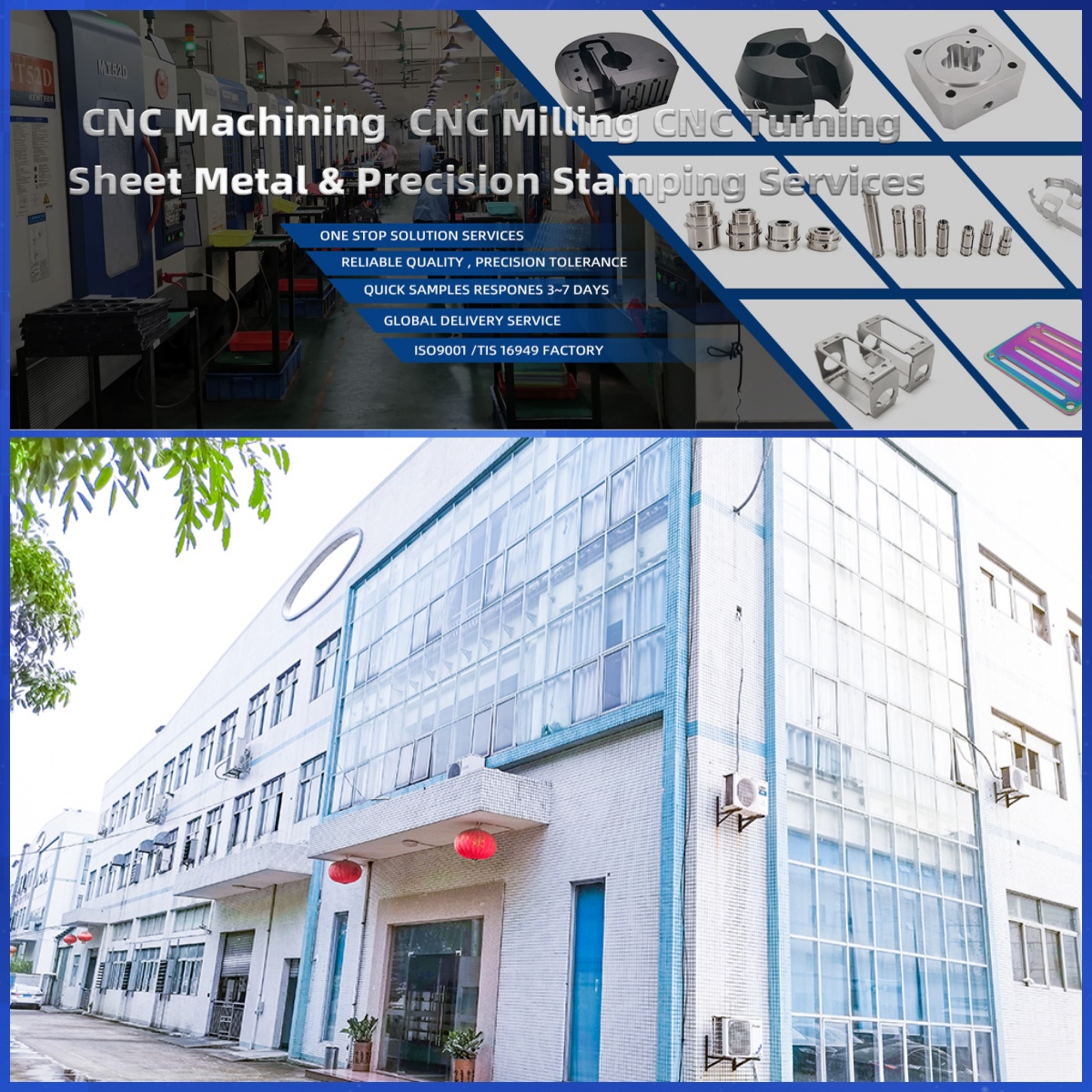
DongGuan YiTai Electronic Technologies Co.,Ltd
DongGuan YiTai Electronic Technologies Co.,Ltd is a manufacturing service provider located in Dongguan, China.
YiTai specialized in CNC turning machining and sheet metal fabrication mainly. As a member of Hung Mou Group, we focus on the overseas marketing development. And based on our parent company’s manufacturing capability and resources, YiTai also expended machining services such as die casting, injection molding, aluminum profile extrusion, 3D printing, which are committed to providing customers with one-stop purchasing services and experience.
CNC MACHINING , CNC MILLING , CNC TURNING , SHEETMETAL , FASTENER , OTHERS




Delrin (POM) vs. Nylon (PA): The Ultimate Showdown of Material Properties and Applications
1006 Carbon Steel Explained: Why Is It the King of Value in Sheet Metal and CNC Machining?
Related Article