End Mill vs Face Mill: Simple Guide

1. What is an End Mill?
An end mill is a versatile cutting tool. Its main uses are for slotting, profiling, plunging, and pocketing. End mills come with different numbers of flutes, like two, three, or four. More flutes give a smoother finish but remove material slower.
Main Uses of an End Mill
An end mill has cutting edges on its end and along its sides. This design lets it cut in many directions. You can use it to cut slots, shape complex edges, and create pockets. It is a very common tool in machining workshops.
Key Features of an End Mill
-
Cuts with the end and sides of the tool.
-
Good for detailed work and complex shapes.
-
Usually has a smaller cutting diameter.
-
Can often plunge straight down into the material like a drill.
2. What is a Face Mill?
A face mill is a tool made for a specific job: to create flat surfaces. This process is called facing. It has a large body that holds multiple indexable cutting inserts. These inserts can be replaced when they are worn out.
Main Uses of a Face Mill
A face mill is designed to cut mostly with its bottom face. It is the best tool for making large, flat surfaces quickly. It is not good for detailed work like cutting slots. Its center often cannot cut, so it cannot plunge into the material.
Key Features of a Face Mill
-
Cuts with the bottom face of the tool.
-
Excellent for removing large amounts of material very fast.
-
Has a larger diameter and uses indexable inserts.
-
Provides a superior surface finish on flat areas.

3.Key Differences: A Comparison Table
This table shows the main differences between an end mill and a face mill.
| Feature | End Mill | Face Mill |
|---|---|---|
| Primary Use | Slotting, Profiling, Detailed Work | Facing, Creating Flat Surfaces |
| Cutting Edges | On the end and sides | Mostly on the bottom face |
| Typical Cut | Axial and Radial | Mostly Radial |
| Cutting Depth | Deeper cuts possible | Shallow cuts |
| Surface Finish | Good | Very Good to Excellent |
| Material Removal Rate | Lower | Very High |
| Workpiece Shape | Complex shapes, slots | Large, flat surfaces |
| Tool Cost | Lower per tool, but entire tool is replaced | Higher initial cost, but only inserts are replaced |
4. Tool Geometry and Design
The design of these tools is very different. This is why they work so differently.
End Mill Design
An end mill is one solid piece of metal. The flutes are helical grooves that pull chips out of the cut. The number of flutes changes its use. A two-flute end mill is good for aluminum because it has more space for chips. A four-flute end mill is better for steel and gives a finer finish.

Face Mill Design
A face mill is a body that holds inserts. The inserts are the parts that do the cutting. They are made from very hard materials like carbide. When one cutting edge gets dull, you can rotate the insert to a new edge or replace it. This is cheaper than buying a whole new tool.
5. How to Choose for Your Project
Picking the right tool is important. Here is a simple way to decide.
Choose an End Mill if:
-
You need to cut a slot or a keyway.
-
You are working on a complex shape or a 3D contour.
-
You need to plunge into the material.
-
Your workpiece has detailed features.
Choose a Face Mill if:
-
Your main goal is to make a large surface flat and smooth.
-
You need to remove a lot of material quickly from the top surface.
-
High speed and efficiency are your priorities.
6. Expert Opinion: Choosing the Right Tool
We asked an expert, John Miller, a CNC machinist with 15 years of experience, for his advice.
"Think about the job you need to do. If you need to make a part flat, use a face mill. It is faster and gives a better finish on large areas. But if you need to cut a slot or a detailed shape, you must use an end mill. An end mill is more versatile for different operations. The wrong tool will waste time and money. Also, remember that a face mill can be more economical for big jobs because you only change the inserts, not the whole tool."
7. Frequently Asked Questions (FAQ)
1. Can I use an end mill for facing?
Yes, you can use an end mill to face a small surface. This is common on smaller machines. But, for large surfaces, a face mill is much faster and gives a better finish.
2. Can a face mill cut slots?
No, a face mill is not designed to cut slots. Its center cannot cut, so it cannot plunge into material like an end mill can. Trying to cut a slot with a face mill will damage the tool.
3. Which tool is better for roughing?
A face mill is usually better for roughing large, flat areas because it has a very high material removal rate. But an end mill is needed for roughing complex shapes or pockets.
4. How do I choose the right tool?
First, look at your project. Choose a face mill for creating large flat surfaces. Choose an end mill for cutting slots, pockets, or detailed profiles. Always consider the material and the type of finish you need.
5. Are face mills only for large machines?
No, face mills come in many sizes. There are small face mills designed for use on benchtop CNC mills. The important thing is to use a size that your machine can handle without being overloaded.
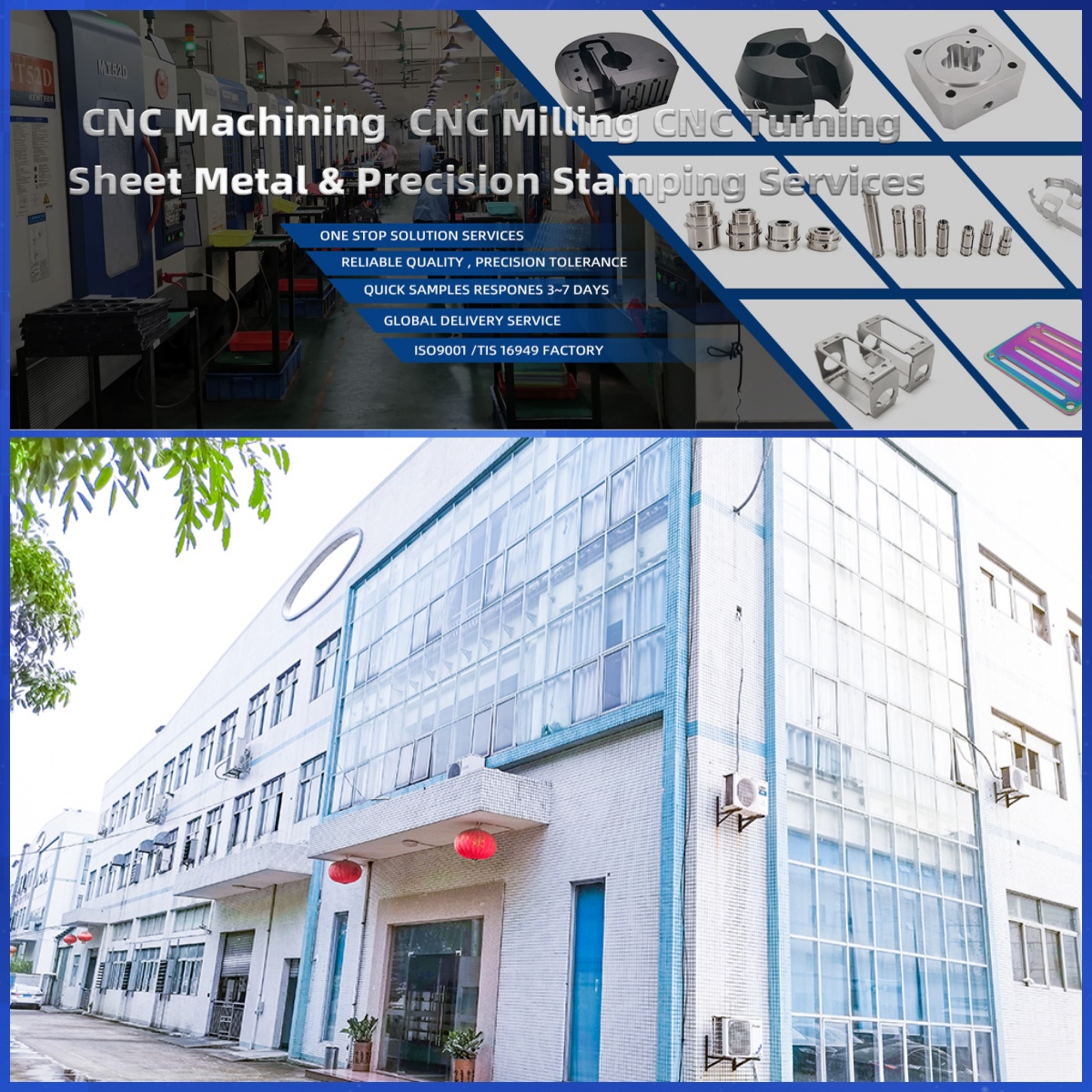
DongGuan YiTai Electronic Technologies Co.,Ltd
DongGuan YiTai Electronic Technologies Co.,Ltd is a manufacturing service provider located in Dongguan, China.
YiTai specialized in CNC turning machining and sheet metal fabrication mainly. As a member of Hung Mou Group, we focus on the overseas marketing development. And based on our parent company’s manufacturing capability and resources, YiTai also expended machining services such as die casting, injection molding, aluminum profile extrusion, 3D printing, which are committed to providing customers with one-stop purchasing services and experience.
CNC MACHINING , CNC MILLING , CNC TURNING , SHEETMETAL , FASTENER , OTHERS




What Is the Melting Point of Steel?
Lightweight Metals in Hardware: Comparison and Applications
Related Article