CNC Machining Magnesium: How Cutting Parameters Affect Chip Density

1. Introduction: The Critical Link Between Chips and Safety

CNC machining of magnesium alloys offers big benefits like high strength-to-weight ratio and excellent machinability. But, it also brings a major and serious safety concern: fire risk. The key to safe and successful machining is not just the base material, but specifically the chips produced during the cut. This article explains in detail how cutting parameters directly control chip shape and chip density. Controlling these factors is the most important step for preventing accidents and ensuring part quality.
2. Chip Control: The First Line of Defense for Quality and Safety
In all machining operations, good chips are safe chips. For magnesium machining, this statement is absolutely critical. Chip control is not merely about workshop cleanliness—it is a fundamental safety practice to prevent hazardous situations. Effective chip management directly influences tool life, workpiece surface finish, and, most importantly, workshop safety.
Why Are Long, Tangled "Bird's Nest" Chips Dangerous?
Long, continuous chips have always been a challenge in machining. They can tightly wind around the tool and workpiece, leading to re-cutting of chips, poor surface finish, and potential tool breakage. However, with magnesium, the risks are significantly higher. These long, stringy chips possess a very high surface-area-to-volume ratio. They are thin, lightweight, and can easily become airborne. More critically, due to their thinness and poor heat dissipation, they overheat rapidly. Even a small spark can easily ignite them. A tangled "bird's nest" of fine magnesium chips essentially acts as a ready-made fuel source, with extensive exposure to oxygen, posing a serious fire hazard around the machine.
3. Feed Rate and Depth of Cut: The Core Relationship
The two most powerful parameters for controlling chips are feed rate and depth of cut. They work together to determine the chip's basic geometry: its thickness and shape. Understanding this interaction is essential for programming safe operations.
High Feed Rates Produce Thick Chips: Increasing Density and Lowering Fire Risk.
A higher feed rate increases the chip thickness. A thicker chip is stronger, heavier, and more rigid. It tends to break into smaller pieces naturally. These pieces are more compact and have a much higher bulk density. Dense chips take up less space in the bin. More importantly, they have less total surface area exposed to air, which reduces oxidation and heat retention. They also carry away heat from the cutting zone more efficiently because of their mass. All these factors make thick, dense chips much harder to ignite. Therefore, using a higher feed rate is a primary and effective strategy for safe magnesium machining.
Managing Fine Chips in Finishing Operations.
Finishing passes naturally use lower feed rates and shallow depths to achieve good surface finish. This setup tends to produce small, fine chips, which are problematic. The solution is to use a low depth of cut but maintain a reasonably high feed rate. This combination still produces a chip that is thick enough to be dense and manageable, rather than a powder. Also, using a strong, directed stream of compressed air to safely and continuously remove chips from the work area is critical during finishing to prevent accumulation.
Table: Effect of Cutting Parameters on Magnesium Chips
| Parameter Combination | Chip Type | Chip Density | Fire Risk | Typical Use | Explanation |
|---|---|---|---|---|---|
| Low Feed, Low Depth | Fine, powdery | Very Low | Very High | Avoid if possible | Maximum surface area, heats fast, easy to ignite. |
| Low Feed, High Depth | Long, stringy | Low | High | Poor practice | Thin, weak chips that tangle and overheat. |
| High Feed, Low Depth | Short, comma-shaped | Medium | Medium | Recommended finishing | Good compromise for finish and safety. |
| High Feed, High Depth | Short, thick chunks | High | Low | Recommended roughing | Ideal chip: dense, cool, and safe. |
Expert Insight: John Miller, a machining safety consultant, says: "For magnesium, your goal is to make a chip that looks like a small '6' or '9'. That shape means it's thick, it broke cleanly, and it will fall away safely. The worst sound in a magnesium shop is the hiss of a continuous chip—it’s a warning sign. Always prioritize chip formation over absolute cutting speed."
4. Tool Geometry's Role in Breaking Chips
The cutting tool itself is a key tool for chip control. Tool geometry is designed to force the chip to curl tightly and break predictably.
Choosing the Correct Chip Breaker to Optimize Waste Volume.
A chip breaker is a crucial feature on the cutting insert. It is a small groove or step ground into the face. It forces the chip to bend sharply as it forms. This bending creates high stress, causing the chip to break into short pieces. For magnesium, you need a chip breaker geometry that creates a tight, controlled curl. This action produces small, dense chips. A sharp cutting edge is also very important. A dull tool rubs instead of shearing, creating excessive heat and fine, hot powder-like swarf, which is extremely hazardous.
5. A Case Study: How Yitai Electronics Ensures Safety
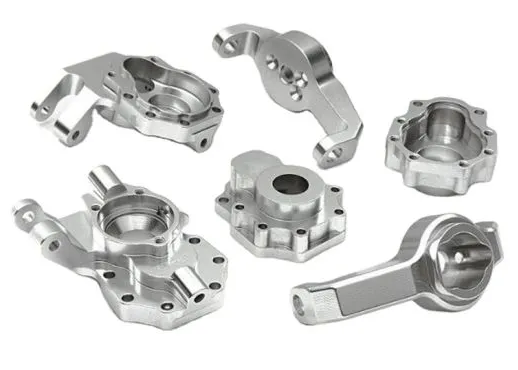
Yitai Electronics machines high volumes of magnesium parts for the electronics industry. Their perfect safety record is built on strict, non-negotiable protocols:
-
Parameter Discipline: They program their CNC machines with high-feed, high-depth strategies for all roughing operations. Their post-processors enforce minimum feed rates to prevent programmers from accidentally selecting parameters that create fine chips.
-
Tool Management: They use only sharp, coated carbide inserts with polished chip breakers specifically designed for non-ferrous metals. Tools are changed on a strict, preventive schedule based on runtime, not just when they fail.
-
Cleanliness and Containment: Machines are cleaned at the end of every shift. All chip bins are made of steel and are emptied at least daily. They never allow chips to pile up on the machine bed or floor. Dedicated, sealed vacuum systems are used for fine dust.
6. Frequently Asked Questions (FAQs)
Q1: Can I use coolant when machining magnesium?
It is possible, but you must be extremely careful. Water-based coolants can react with fine, hot magnesium chips. This reaction can produce hydrogen gas, which is highly explosive. If you must use coolant, it must be applied in a high-volume, high-flow system to immediately wash chips away into a sealed and filtered filtration system. Many specialized magnesium shops prefer dry machining with an air blast for cooling and chip removal. This completely avoids the chemical reaction risk and also makes chip recycling cleaner and easier.
Q2: How do I know if my chips are dangerous just by looking at them?
Look at them closely. If they are long, continuous, and curly like typical steel chips, they are dangerous. If they are fine like powder or dust, they are very dangerous. Good, safe magnesium chips are short, thick, and look like little commas or the numbers 6 or 9. They should be dry and not discolored (blue or black) from excessive heat.
Q3: What is the single most important parameter to change first for better chip control?
Increase your feed rate. This is the fastest and most effective way to make chips thicker and denser immediately. Always check your tool manufacturer's recommendations for a starting point. Remember to prioritize feed rate over spindle speed when your goal is chip control and safety.
Q4: Are there specific materials required for chip bins when collecting magnesium?
Yes. Always use metal containers, preferably steel. Never use plastic or cardboard bins, as they can melt or burn and contribute to a fire. The bin should have a tight-fitting metal lid. This lid can help smother a fire by depriving it of oxygen if one accidentally starts inside the container.
Q5: What spindle speed (RPM) should I use for magnesium?
Use a high surface speed (SFM) to achieve a good finish and efficient cutting. But, you must always balance this with a high enough feed rate. The primary goal is to make a safe, well-formed chip, not just to run the spindle as fast as possible. A good starting point is to use a speed that allows your machine to achieve the recommended feed per tooth without overloading the tool or machine spindle.
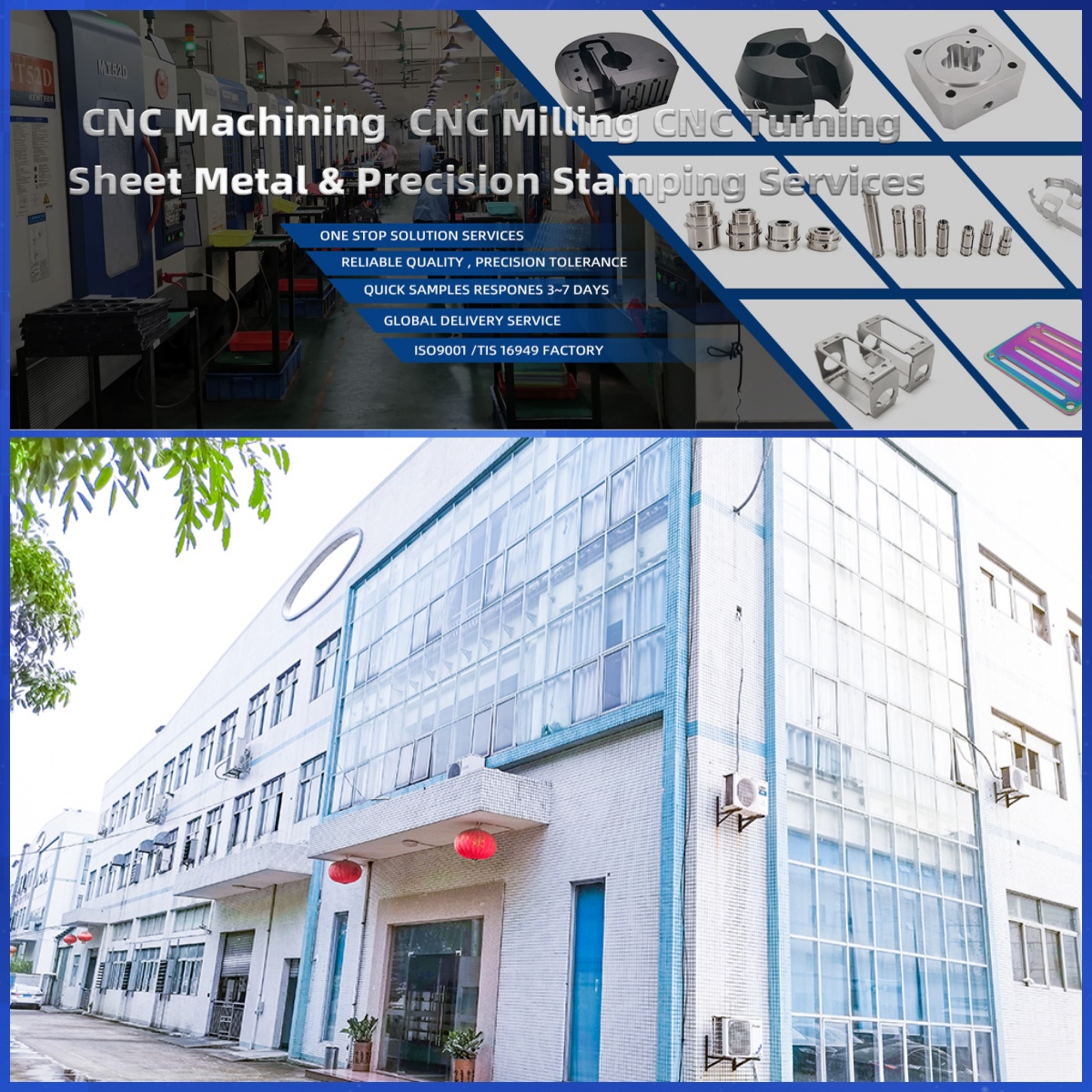
DongGuan YiTai Electronic Technologies Co.,Ltd
DongGuan YiTai Electronic Technologies Co.,Ltd is a manufacturing service provider located in Dongguan, China.
YiTai specialized in CNC turning machining and sheet metal fabrication mainly. As a member of Hung Mou Group, we focus on the overseas marketing development. And based on our parent company’s manufacturing capability and resources, YiTai also expended machining services such as die casting, injection molding, aluminum profile extrusion, 3D printing, which are committed to providing customers with one-stop purchasing services and experience.
CNC MACHINING , CNC MILLING , CNC TURNING , SHEETMETAL , FASTENER , OTHERS




The Complete Guide to 1050 Aluminum CNC Machining: Properties & Applications
Optimizing Die Casting Mold: A Comprehensive Guide
Related Article