Delrin (POM) vs. Nylon (PA): The Ultimate Showdown of Material Properties and Applications

1. Introduction: The Engineering Plastic Twins
The Central Role of Delrin and Nylon in Precision Machining
In the realm of precision-machined components, two engineering plastics are frequently utilized: Delrin(Polyoxymethylene, or POM) and Nylon (Polyamide, or PA).

2. Head-to-Head Comparison of Key Properties
We will compare them across five main categories. Here is a summary table first:
| Property | Delrin (POM) | Nylon (PA) |
|---|---|---|
| Mechanical Strength | High stiffness, good strength | Higher toughness, better impact resistance |
| Dimensional Stability | Excellent, very low moisture absorption | Poor, absorbs water and changes size |
| Friction / Wear | Very low friction, excellent wear resistance | Good wear resistance, higher friction |
| Temperature Resistance | Up to ~90°C (194°F) continuous | Up to ~120°C (248°F) continuous |
| Chemical Resistance | Good against hydrocarbons, weak against strong acids | Better resistance to oils, fuels, weak acids |
| Moisture Absorption | Very Low (~0.2%) | High (~1.5% or more) |
| Machinability | Excellent, produces clean chips | Good, but can be gummy |
2.1 Mechanical Properties: Strength, Stiffness, Toughness, and Creep
-
Strength and Stiffness: Delrin is stiffer and more rigid. It holds its shape well under load. Nylon is strong but more flexible.
-
Toughness and Impact: Nylon is the winner here. It is much tougher and has higher impact resistance, especially at room temperature. Delrin can be brittle in very cold temperatures or with sharp impacts.
-
Creep Resistance: Creep is when a material slowly deforms under constant stress. Delrin has better long-term creep resistance than standard nylons.
2.2 Friction and Wear Performance
-
Self-Lubrication and Friction: Delrin is famous for its low friction and high slip. It has a naturally slick surface. This makes it perfect for gears and bearings. Nylon also has good wear resistance but with higher friction.
-
PV Limit: This measures how much pressure (P) and velocity (V) a material can handle before failing. Delrin typically has a higher PV limit than many unfilled nylons. This means it can handle faster, more loaded sliding applications.
2.3 Environmental Stability
This is a major differentiator.
-
Moisture Absorption and Dimensional Stability: Nylon absorbs water from the air. This causes it to swell and change dimensions. This is bad for precision parts. Delrin has near-zero moisture absorption. Its dimensions stay stable in humid conditions.
-
Chemical Resistance: Nylon generally resists oils, fuels, and solvents better. Delrin has good chemical resistance but can be attacked by strong acids and bases.
2.4 Thermal and Electrical Properties
-
Heat Resistance: Standard Nylon 6/6 has a higher continuous use temperature than standard Delrin. For high-temp environments (over 90°C), nylon may be better.
-
Electrical Properties: Both are good electrical insulators. Nylon's properties can change more with absorbed moisture.
3. Round 1 Summary: Clear-Cut Dominant Areas
3.1 Choose Delrin When...
You need extremely low friction, excellent dimensional stability, and high rigidity. Think of these applications:
-
Precision gears and bearings (low wear, no lubrication needed).
-
Snap-fit latches and clips (needs to stay rigid).
-
Fluid handling components (valves, seals) where size must not change.
-
Jigs and fixtures requiring stable, precise dimensions.
James Wu, a senior design engineer, states: "For a control knob on lab equipment, I always specify Delrin. The tolerance is tight, and users turn it thousands of times. Delrin's stability and low wear are perfect. Nylon would swell with humidity and feel less precise over time."
3.2 Choose Nylon When...
You need high toughness, good impact resistance, and higher temperature resistance. Think of these applications:
-
Structural parts that get bumped or dropped (housings, handles).
-
Components under dynamic, heavy load (pulleys, rollers).
-
Parts in contact with oils or fuels (like in automotive engines).
-
Fasteners and insulators that need electrical properties and strength.
4. Industry Expert FAQ
Q1: Which material is more expensive?
Typically, basic grades of Delrin are more expensive per pound than basic grades of Nylon. However, the total part cost depends on machinability and performance. Delrin often machines faster with less tool wear, which can lower the final cost.
Q2: Can these materials be used outdoors?
Both have limitations. UV rays from sunlight will degrade both plastics over time. Nylon will also absorb rainwater, affecting its properties. For outdoor use, consider special UV-stabilized grades or choose a different material like acrylic or PVC.
Q3: Is Delrin or Nylon easier to machine?
Delrin is generally considered easier to machine. It produces clean, sharp chips. It does not get gummy. Nylon can be gummy and requires very sharp tools and proper chip clearance. Delrin allows for tighter tolerances more easily.
Q4: Can I get colors in these materials?
Yes, both are available in many colors (black, white, natural, blue, red, etc.). Delrin often has a shinier, more opaque finish. Nylon can have a slightly more translucent look in its natural state.
Q5: What about glass-filled versions?
Both materials come in glass-filled grades (e.g., Delrin AF, Nylon 6/6 GF). Adding glass fibers increases strength, stiffness, and heat resistance. It also reduces moisture absorption in Nylon. But it increases wear on machining tools and makes the material more brittle.
Q6: For a small, high-precision gear, which is better?
For a small, high-precision gear, Delrin is usually the first choice. Its low friction, excellent wear resistance, and superb dimensional stability ensure the gear runs smoothly, quietly, and maintains its precise tooth profile over time. Nylon gears can work but may swell or have higher friction.
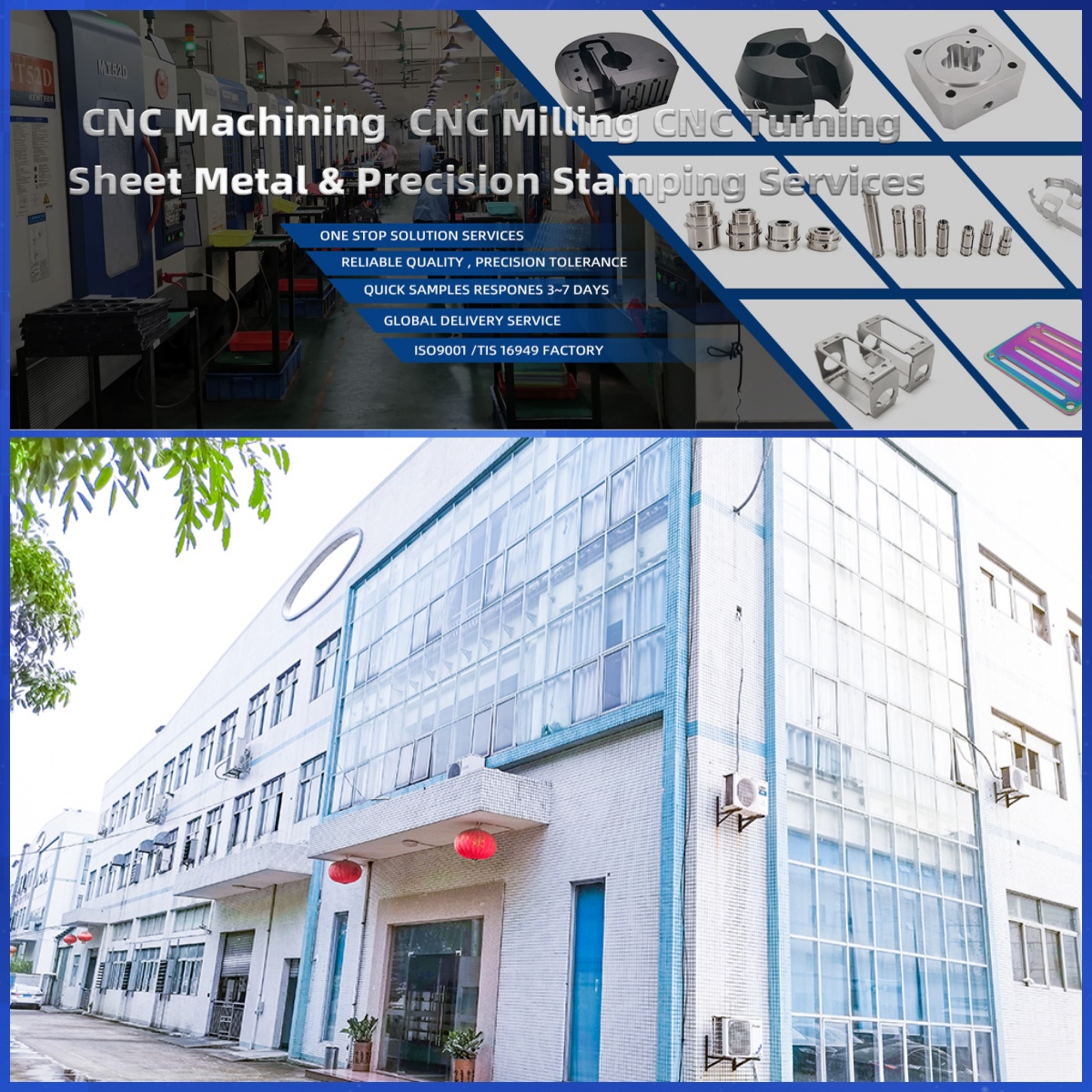
DongGuan YiTai Electronic Technologies Co.,Ltd
DongGuan YiTai Electronic Technologies Co.,Ltd is a manufacturing service provider located in Dongguan, China.
YiTai specialized in CNC turning machining and sheet metal fabrication mainly. As a member of Hung Mou Group, we focus on the overseas marketing development. And based on our parent company’s manufacturing capability and resources, YiTai also expended machining services such as die casting, injection molding, aluminum profile extrusion, 3D printing, which are committed to providing customers with one-stop purchasing services and experience.
CNC MACHINING , CNC MILLING , CNC TURNING , SHEETMETAL , FASTENER , OTHERS




Zero-Error Installation: The Golden Rules of Control Panel Sheet Metal Design (DFM)
From CNC to Perfect Finish: The Complete Manufacturing Process for Epoxy-Coated Aluminum Parts
Related Article