Laser Cutting & CNC: Machining Limits and Tolerances for Different Aluminum Gauges

1. Thin Sheet (20ga - 14ga) Machining Challenges
Thin aluminum sheets, from about 0.036" (20ga) to 0.075" (14ga), are hard to machine. They are flexible and can be damaged by heat.

1.1 Laser Cutting Heat Distortion and Dross Control
Laser cutting is common for thin sheets. But, the concentrated heat causes problems. The main issue is thermal distortion. The heat makes the thin metal warp and bend. To control this, operators use very high cutting speeds and low laser power. This reduces the heat going into the material.
Another problem is dross (sticky slag on the cut edge). For aluminum, dross is common because the material melts easily. Using high-pressure assist gas (like nitrogen) helps blow away the molten material. This creates a cleaner cut. For thin sheets, standard tolerances for laser cutting are typically ±0.005" or better. But, achieving this needs perfect machine calibration and parameters.
2. Medium Plate (1/8" - 1/4") CNC Milling Strategies
For thicker plates (1/8" to 1/4"), CNC milling becomes very useful. It is accurate and can make complex shapes. But, holding the plate firmly is a big challenge.

2.1 Vacuum Chuck Fixturing for Flat Aluminum Plates
A vacuum chuck is the best way to hold flat sheets for CNC milling. It uses suction to hold the plate down. This method has big benefits:
-
Full Surface Support: It holds the entire bottom of the plate. This prevents vibration and chatter.
-
No Obstructed Access: Clamps don't get in the way. The tool can reach almost the entire surface.
-
Perfect for Thin-Walled Parts: It holds the part without bending it.
For milling 1/4" aluminum, a rigid setup is key. Using a vacuum chuck allows for deeper cuts and better dimensional accuracy. Standard milling tolerances for this thickness range can reach ±0.001" for critical dimensions.
3. Edge Quality (Edge Quality) Comparison
The finish of the cut edge is different for each process. The choice depends on the needs of the final part.
3.1 Laser Cutting vs. Waterjet Cutting vs. CNC Milling Edge Roughness by Thickness
| Thickness Range | Laser Cutting | Waterjet Cutting | CNC Milling |
|---|---|---|---|
| Thin (14ga) | Smooth, slight oxide layer. Ra ~63-125 µin. | Matte, textured finish. Ra ~100-150 µin. | Very smooth, machined finish. Ra ~32-63 µin. |
| Medium (1/4") | More pronounced striations. Ra ~125-250 µin. | Consistent texture, slight taper. Ra ~125-200 µin. | Excellent, clean edge. Ra ~32-125 µin. |
| Thick (1/2"+) | Rough edge, heavy dross possible. Ra 250+ µin. | Good quality, minimal heat. Ra 150-250 µin. | Best quality, precision finish. Ra 63-125 µin. |
The edges produced by laser cutting exhibit a striated texture, a processing effect suitable for various application scenarios. Waterjet cutting utilizes the combined action of abrasive materials and high-pressure water, resulting in edges with a matte finish, slight roughness, and no heat-affected zone. CNC milling can produce the smoothest and most precise edges, making it most suitable for machining components that require precision assembly or sealing performance.
4. Yitai Electronics' Capability Matrix: Minimum and Maximum Thickness (Industry-Leading Level)
At Yitai Electronics, our machines are top-level. We push the limits of what is possible.
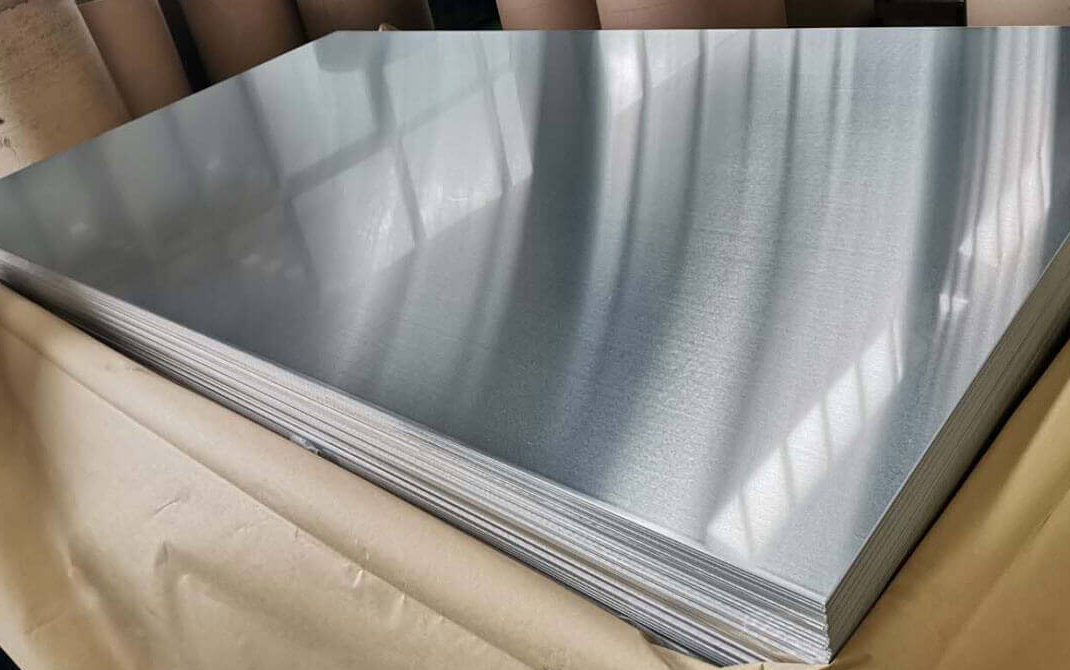
4.1 Laser Cutting Capacity
-
Minimum Thickness: We can cut ultra-thin aluminum foil down to 0.008" (0.2mm). This requires specialized handling and parameters.
-
Maximum Thickness: Our high-power lasers can cleanly cut aluminum plates up to 1.0" (25mm) thick.
4.2 CNC Machining Capacity
-
Minimum Thickness: For machining, we can handle sheets as thin as 0.04" (1mm) for milling operations by using special pallet systems.
-
Maximum Thickness: Our large CNC mills can machine solid aluminum blocks up to 30" (760mm) in height.
4.3 Our Tolerance Standards
5. Expert Insights
John Miller, a Senior Process Engineer with 20 years of experience, says: "The biggest mistake with aluminum is treating all thicknesses the same. Thin sheets demand respect for heat management. For thick plates, tool path strategy and chip removal are everything. Always talk to your machine shop early. The right first step saves time and cost."
6. Frequently Asked Questions (FAQ)
Q1: Which process is cheaper for thin aluminum parts?
A: For simple shapes in thin aluminum, laser cutting is usually more cost-effective. It is faster for cutting outlines. CNC milling costs more for simple shapes but is needed for complex 3D features.
Q2: Can you achieve a perfectly square edge with laser cutting?
A: No. Laser cutting often leaves a very slight taper (a few thousandths of an inch). The top of the cut is slightly wider than the bottom. For a perfectly square edge, CNC milling is the best choice.
Q3: How do I choose between waterjet and laser for 1/4" aluminum?
A: Choose laser for speed and a clean edge if heat is not a big concern. Choose waterjet if the part cannot have any heat affect (hardening or distortion) or if you are cutting multiple materials.
Q4: What is the biggest limit for CNC milling large aluminum sheets?
A: The size of the machine bed and the fixturing method are the biggest limits. Also, very large, thin sheets can vibrate during machining. This affects the finish and accuracy.
Q5: Does Yitai Electronics provide material recommendations?
A: Yes. We help choose the best aluminum alloy (like 6061, 5052, or 7075) and process for your project's budget, strength, and finish needs. Contact our engineering team for help.
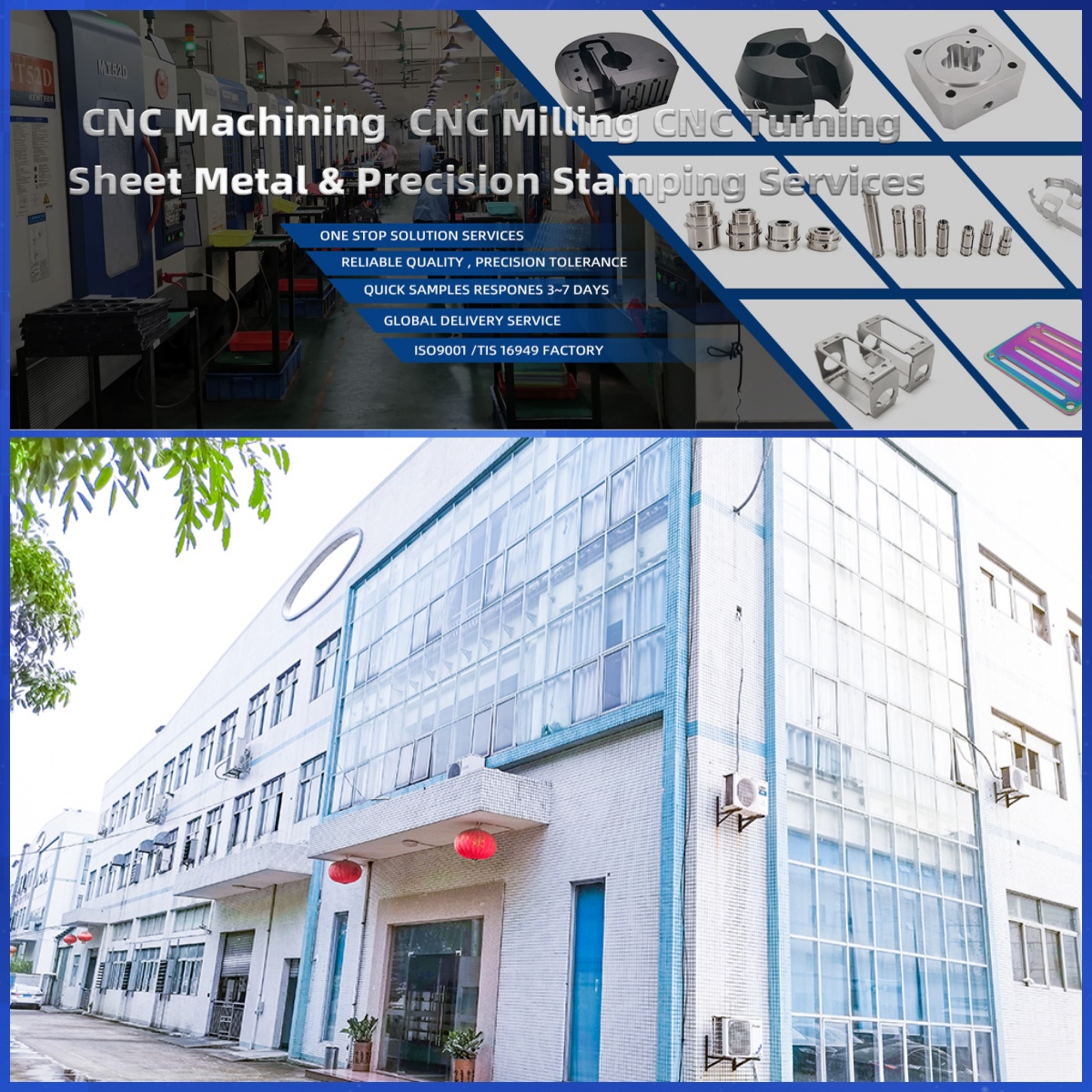
DongGuan YiTai Electronic Technologies Co.,Ltd
DongGuan YiTai Electronic Technologies Co.,Ltd is a manufacturing service provider located in Dongguan, China.
YiTai specialized in CNC turning machining and sheet metal fabrication mainly. As a member of Hung Mou Group, we focus on the overseas marketing development. And based on our parent company’s manufacturing capability and resources, YiTai also expended machining services such as die casting, injection molding, aluminum profile extrusion, 3D printing, which are committed to providing customers with one-stop purchasing services and experience.
CNC MACHINING , CNC MILLING , CNC TURNING , SHEETMETAL , FASTENER , OTHERS




Decoding Mold Costs: What Are You Paying For?
Mastering GD&T: Achieving True Position and Flatness in Complex Assemblies
Related Article