The Complete Guide to Custom Medical CNC Machining: Materials, Precision, and Industry Standards Explained

These parts must be flawless, as even the slightest error could harm a patient. This is exactly why custom medical CNC machining is so critical. It produces the core components that keep modern medicine functioning.
This guide explains what custom medical CNC machining entails, covering materials, precision levels, and the strict regulations that medical parts must adhere to.
1. What Is Custom Medical CNC Machining?
Custom medical CNC machining is a manufacturing process. It uses computer-controlled machines to cut metal or plastic blocks into precise parts. These parts go into medical devices. Surgical instruments. Orthopedic implants. Diagnostic equipment. Dental tools.
Medical CNC machining is different from regular CNC machining. It has three special requirements.
Biocompatibility: Medical parts touch the human body. They cannot cause harm. The materials and the machining process must be safe. No toxic residues. No sharp edges.
Extreme precision: Medical parts have very tight tolerances. A bone screw must fit perfectly. A surgical tool must open and close smoothly. The difference between a good part and a bad part can be as small as 0.001mm.
Clean environment: Medical parts must be clean. They go into sterile operating rooms. The machining process must keep them free from dust, oil, and other contaminants.
These three requirements make medical CNC machining a specialized service. Not every machine shop can do it.
2. Medical-Grade Materials for CNC Machining
Medical parts are made from specific materials. These materials are tested and certified. They meet strict biocompatibility standards.

Stainless Steel – 316L and 17-4PH
Stainless steel is strong. It resists rust. It is common for surgical instruments. 316L is the standard. It has low carbon. This helps with welding and corrosion resistance. 17-4PH is stronger. It is heat treated. It is used for surgical tools that need high strength.
Titanium and Titanium Alloys – Ti-6Al-4V ELI
Titanium is the top choice for implants. It is light. It is strong. The body accepts it well.
Ti-6Al-4V ELI (Grade 23) is the most used titanium alloy for implants. Key benefits:
-
Low density
-
Excellent corrosion resistance
-
High biocompatibility
-
Low Young's modulus (closer to bone than stainless steel)
This material is used for hip and knee prostheses, bone screws, and spinal rods. ASTM F136 is the standard for this material.
Cobalt-Chromium Alloys – CoCrMo
CoCrMo alloys are extremely hard and wear-resistant. They are used for artificial joint bearings (like hip and knee replacements). The material is hard to cut. But the wear resistance makes it last for decades inside the body.
Medical-Grade Plastics – PEEK, UHMWPE, Polycarbonate
Plastics are used when metal is not ideal. They are lightweight and do not interfere with X-rays or MRI scans.
PEEK is the leading medical plastic. It is strong. It resists wear. It does not show up on X-rays (radiolucent). This is key for spinal cages and other implants where doctors need to see the bone through the part. PEEK also survives repeated sterilization cycles without degrading.
3. Precision and Surface Quality Requirements
Medical parts have strict size limits. Even a small error can cause problems.
Dimensional Tolerances
For most medical devices, the tolerance is ±0.01mm or tighter. For implantable devices (parts that go inside the body), the tolerance is ±0.005mm. Another source states that critical features like implant surfaces and mating components must hold ±0.005mm.
Surface Roughness
A smooth surface is important for medical parts. A rough surface can irritate tissue. It can also trap bacteria.
-
General medical parts: Surface roughness Ra ≤ 0.4μm is common.
-
Implantable devices: Ra ≤ 0.05μm is required to reduce tissue irritation.
Electropolishing is often used on titanium implants. It can achieve Ra values as low as 0.05μm or better. This makes the surface smooth and shiny.
4. Quality Systems and Regulations for Medical CNC Machining
Medical parts are regulated. Governments want to make sure they are safe. Two main standards apply to CNC machining.
ISO 13485:2016 – The Global Standard
ISO 13485 is the international standard for medical device quality management. A CNC shop with ISO 13485 certification has proven processes for design, manufacturing, risk management, and traceability. The standard requires rigorous material traceability. Every batch of raw material gets a unique identifier. All steps are recorded. This ensures that every part can be traced back to its origin. For implantable components, materials like titanium (Ti-6Al-4V ELI) must meet ASTM F136 standards. Plastics must comply with ISO 10993 biocompatibility requirements.
FDA 21 CFR Part 820 (QSR)
For medical devices sold in the United States, FDA compliance is a must. FDA 21 CFR Part 820 is the Quality System Regulation. It requires tight specifications and thorough validation. A facility can be ISO 13485 certified and FDA 21 CFR Part 820 compliant at the same time.
CNC machining facilities that serve the medical industry follow both standards. They provide full documentation. This includes certificates of conformance, first article inspection reports, and traceability logs.
5. Expert Insight: Cleanliness Is a Medical Requirement
“Many engineers think about tolerance first when they hear medical machining. But cleanliness is just as important. A part can be perfectly sized, but if it has oil residue or microscopic burrs, it will fail medical inspection. We use dedicated cleanrooms, ultrasonic cleaning, and sterile packaging. For implantable parts, we use Class 7 cleanrooms. That level of cleanliness is not optional. It is a medical requirement.”
— Quality Assurance Manager, DongGuan YiTai Electronic Technologies
6. Frequently Asked Questions (FAQ)
Q: What is the difference between ISO 13485 and ISO 9001?
A: Both are quality management standards. ISO 9001 applies to many industries. ISO 13485 is specific to medical devices. It adds stricter requirements for traceability, process validation, and regulatory compliance. CNC shops that make medical parts should have ISO 13485 certification.
Q: Can any CNC shop machine medical parts?
A: No. Medical parts need special materials, tight tolerances, clean environments, and strict documentation. A general machine shop usually does not have ISO 13485 certification or cleanroom facilities. ALWAYS choose a shop with medical manufacturing credentials.
Q: What is the most common titanium alloy for medical implants?
A: Ti-6Al-4V ELI (Extra Low Interstitial) is the standard. It is tested for biocompatibility. It meets ASTM F136. It is used for bone screws, plates, hip stems, and many other implants.
Q: Why is PEEK used for spinal implants instead of metal?
A: PEEK is radiolucent. It does not show up on X-rays or CT scans. This allows doctors to see the bone and check fusion healing after surgery. Metal implants block X-rays. Metal also makes MRI images unclear (artifacts). PEEK does not have this problem.
Q: What surface finish is required for a hip implant?
A: The articular surface (where the ball moves against the socket) must be very smooth. Ra ≤ 0.05μm is often specified. This is a mirror-like finish. It reduces friction and wear.
Q: Does DongGuan YiTai Electronic Technologies offer medical CNC machining?
A: Yes. We machine medical parts from titanium, stainless steel, and PEEK. We hold tolerances down to ±0.005mm. We provide full material traceability and inspection reports. We also offer cleanroom packaging on request. Send us your medical part drawing for a free review and quote.
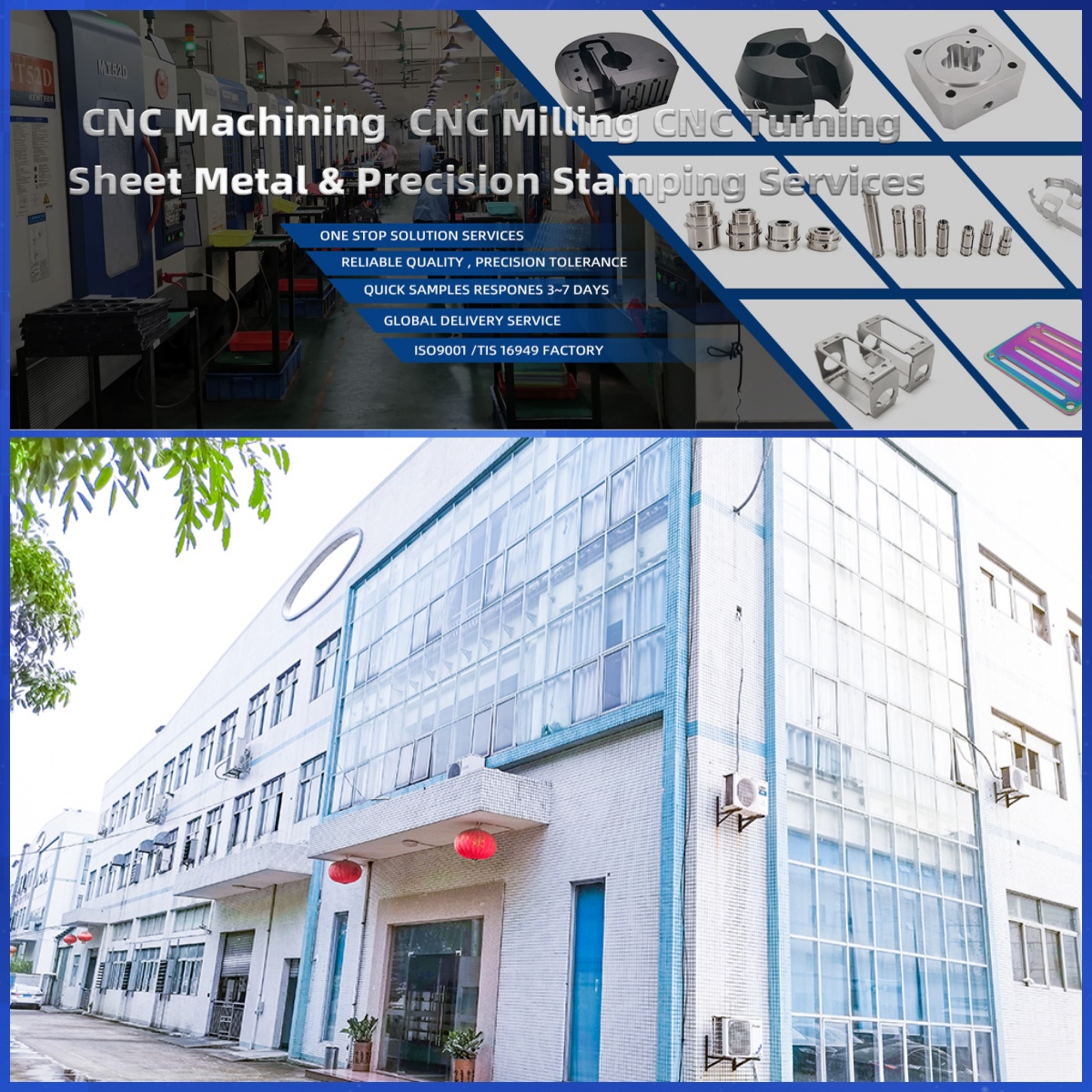
DongGuan YiTai Electronic Technologies Co.,Ltd
DongGuan YiTai Electronic Technologies Co.,Ltd is a manufacturing service provider located in Dongguan, China.
YiTai specialized in CNC turning machining and sheet metal fabrication mainly. As a member of Hung Mou Group, we focus on the overseas marketing development. And based on our parent company’s manufacturing capability and resources, YiTai also expended machining services such as die casting, injection molding, aluminum profile extrusion, 3D printing, which are committed to providing customers with one-stop purchasing services and experience.
CNC MACHINING , CNC MILLING , CNC TURNING , SHEETMETAL , FASTENER , OTHERS




The Buyer's Guide to Custom Sand Blasted Aluminum Parts: How to Avoid Costly Mistakes
Drilling vs Reaming vs Boring: A Complete Guide to Three Hole-Making Processes in CNC Machining
Related Article