Straight vs. Diamond Knurling: How to Choose for Precision Pins
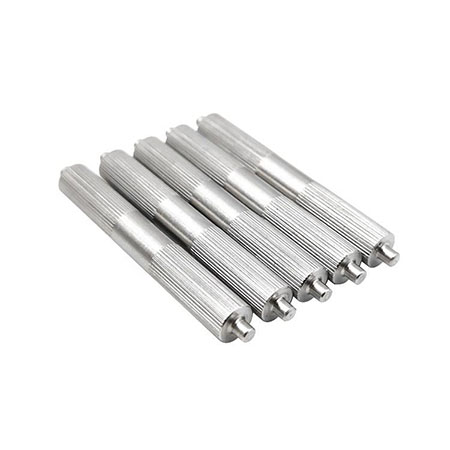
Table of Contents
- Case Study: Why This Part Uses Straight Knurling?
- Knurling Process: Cut vs. Form?
- Surface Finish and Burr Control
- Yitai Electronics' Custom Knurling Capabilities
- Frequently Asked Questions
1. Case Study: Why This Part Uses Straight Knurling?

Look at this pin design. It uses straight knurling. Why? The part must press into a plastic or aluminum housing. Straight knurling creates parallel ridges. These ridges grip well along the axial direction (length of the pin). This is ideal for press-fit assemblies.
Advantages of Straight Knurling in Press-fit Applications
Straight knurling reduces radial stress during insertion. Less stress means the plastic housing won't crack. It also allows smoother insertion. The ridges act like tiny channels. They let air or material escape during pressing. This prevents binding.
How This Design Grips Plastic or Aluminum Substrates
[Image: Precision pin with straight knurling pressed into a plastic housing]
The straight pattern bites into soft materials like plastic or aluminum without tearing them. It holds firmly but avoids excessive force. For parts needing rotation after assembly (like adjustment screws), straight knurling offers controlled slip. Diamond knurling would grip too tightly and cause damage.
Straight vs. Diamond Knurling: Key Parameter Comparison
| Feature | Straight Knurling | Diamond Knurling |
|---|---|---|
| Grip Direction | Axial (one direction) | Radial + Axial (multi-direction) |
| Best For | Press-fits, sliding parts | Handles, high-torque parts |
| Material Stress | Lower radial stress | Higher radial stress |
| Insertion Force | Smoother, more consistent | Higher resistance |
| Common Use Cases | Precision pins, shafts | Tool handles, knobs |
Expert Insight:
“Straight knurling is our go-to for press-fit pins in consumer electronics,” says Mark Lee, Senior Manufacturing Engineer at Yitai Electronics. “It gives reliable retention in plastic without cracking the housing. Diamond knurling? Save it for parts you need to grip with your fingers.”
2. Knurling Process: Cut vs. Form?

Two main methods exist: cut knurling and form knurling.
Cut knurling uses a sharp tool to carve the pattern. Form knurling presses the pattern into the surface using rollers.
How Cut Knurling Prevents Workpiece Deformation for Precision Shafts
For thin or delicate pins, cut knurling is safer. It removes a tiny amount of material. This avoids pushing metal sideways (which happens in forming). Less force means less part bending or warping. Critical for pins under 2mm diameter. Always use sharp tools and light passes.
3. Surface Finish and Burr Control
Rough edges or burrs can ruin a precision pin. They cause assembly issues or injury.
Ensuring No Sharp Burrs at the Ends After Knurling
- Use a deburring tool right after knurling.
- Add a small chamfer (bevel) on pin ends before knurling.
- Choose the correct feed rate. Too fast = more burrs.
- Inspect under magnification. Yitai Electronics uses automated optical inspection for every batch.
4. Yitai Electronics' Custom Knurling Capabilities
Yitai Electronics supports your precision pin needs:

- Patterns: Straight, diamond, custom
- Materials: Stainless steel, aluminum, brass, plastic inserts
- Diameter Range: 0.5mm to 25mm
- Tolerances: Up to ±0.01mm
- Finishes: Smooth, matte, or textured per requirement
- Certifications: ISO 9001, RoHS compliant
We provide samples and DFM feedback before full production.
5. Frequently Asked Questions
Q: When should I choose diamond knurling over straight?
A: Choose diamond knurling for parts handled by hand (like knobs) or needing strong multi-directional grip. Use straight knurling for press-fit pins or sliding parts.
Q: Can knurling cause pin diameter to increase?
A: Yes, form knurling can slightly increase diameter. For tight-tolerance pins, cut knurling is better. Always share your tolerance specs with your manufacturer.
Q: Does knurling affect corrosion resistance?
A: Deep knurls can trap moisture. For wet environments, use straight knurling (shallower valleys) and apply protective coating after knurling.
Q: What's the smallest pin you can knurl?
A: We reliably knurl pins down to 0.8mm diameter using micro-cut tools and stable fixtures. Send your drawing for review.
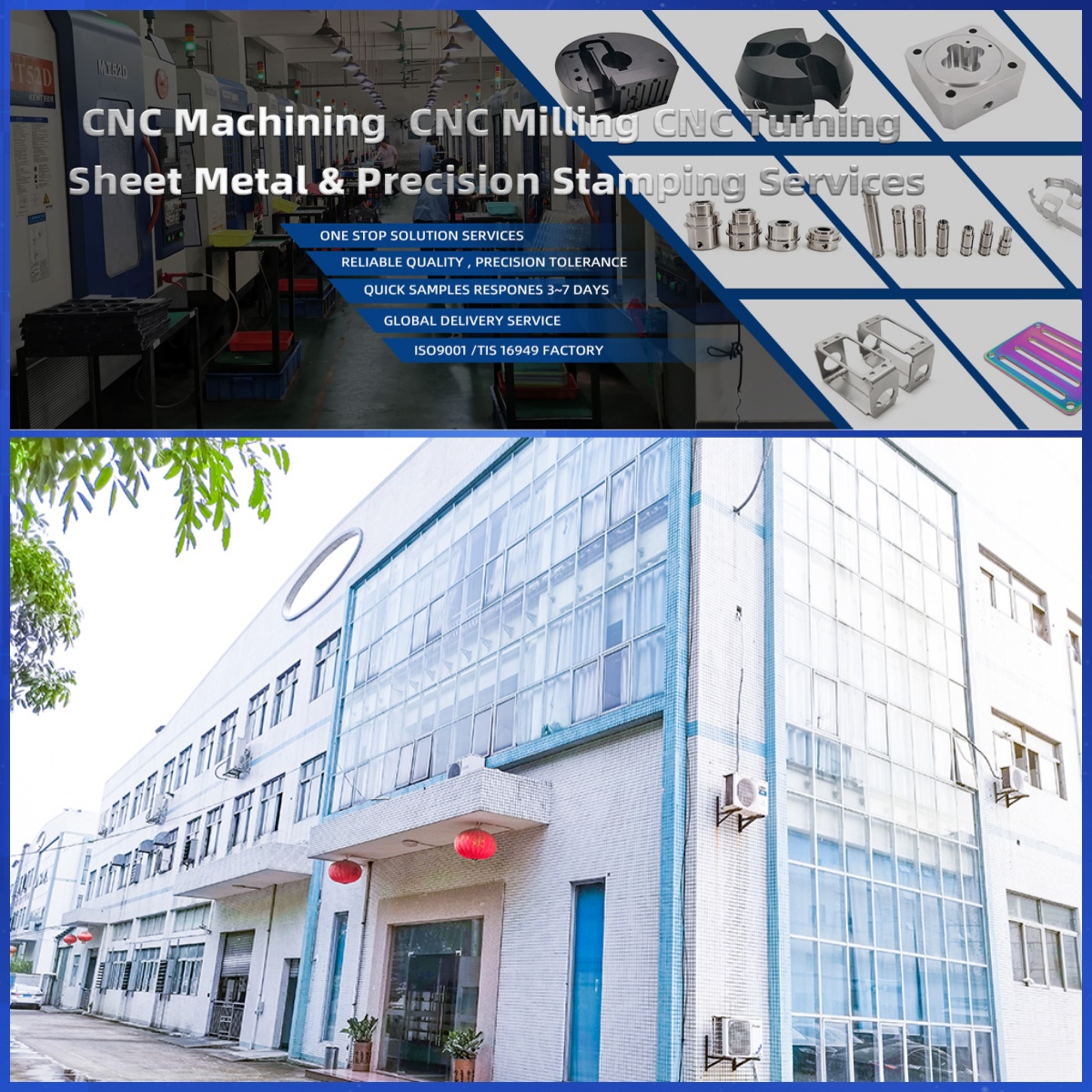
DongGuan YiTai Electronic Technologies Co.,Ltd
DongGuan YiTai Electronic Technologies Co.,Ltd is a manufacturing service provider located in Dongguan, China.
YiTai specialized in CNC turning machining and sheet metal fabrication mainly. As a member of Hung Mou Group, we focus on the overseas marketing development. And based on our parent company’s manufacturing capability and resources, YiTai also expended machining services such as die casting, injection molding, aluminum profile extrusion, 3D printing, which are committed to providing customers with one-stop purchasing services and experience.
CNC MACHINING , CNC MILLING , CNC TURNING , SHEETMETAL , FASTENER , OTHERS




Inject Color into Your Product: Guide to Custom Anodized Aluminum Washers
Ultimate Lightweighting: Designing Motor Mounts with Topology Optimization & CNC Hollows
Related Article