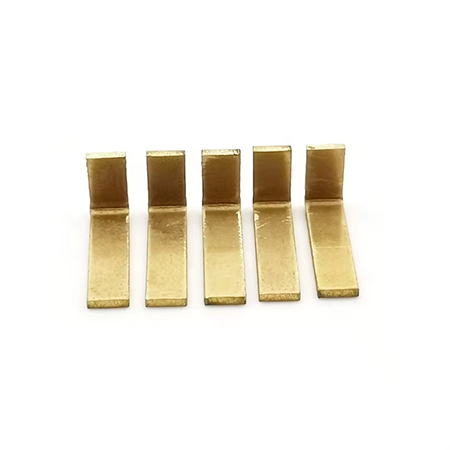
How to Manufacture Copper Nuts & Bolts: Processes, Uses & Our Production Capacity
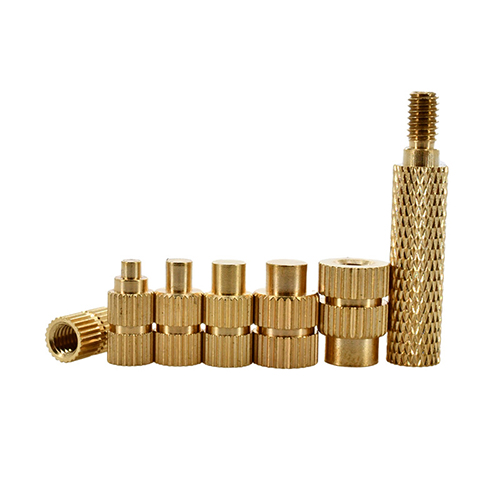
- Introduction to Copper Nuts & Bolts
- Key Processes to Manufacture Copper Nuts & Bolts
- Main Uses of Copper Nuts & Bolts
- Our Company's Capacity for Mass-Producing Copper Fasteners
- Copper vs. Steel/Aluminum Fasteners: Comparison Table
- Expert Opinion on Copper Fastener Manufacturing
- FAQ About Copper Nuts & Bolts Production
1. Introduction to Copper Nuts & Bolts
- Good corrosion resistance: Copper does not rust easily. It works well in wet or humid places (like plumbing systems).
- High electrical conductivity: Copper carries electricity well. It is ideal for electrical devices (like switches or wiring).
2. Key Processes to Manufacture Copper Nuts & Bolts
Step 1: Material Preparation
Step 2: Cold Heading (Shaping the Fastener Body)

- For bolts: The machine presses one end of the blank to form the “head” (hexagonal, round, or flat). The other end stays straight (for threading later).
- For nuts: The machine presses the blank into a hexagonal shape (the nut’s outer body). It also creates a hole in the center (for threading later).
Step 3: Threading (Adding Screw Threads)
- For bolts: The machine rolls the straight end of the bolt against two metal dies. The dies press the spiral threads into the copper.
- For nuts: The machine uses a “tap” (a metal tool with threads) to cut threads inside the nut's center hole.
Step 4: Heat Treatment (Annealing)
- Heating the fasteners to 500–600°C (932–1112°F) in an oven.
- Holding that temperature for 30–60 minutes.
- Letting the fasteners cool slowly (in air or a cooling chamber).
Step 5: Surface Treatment & Quality Inspection
- Nickel plating: Adds a shiny silver layer. It works for decorative parts (like furniture hardware).
- Tin plating: Adds a soft silver layer. It is used for electrical parts (tin improves conductivity).
- Clear coating: Adds a thin protective layer. It keeps the copper's natural color.
- We check size with a digital caliper (measures diameter, length, and head thickness).
- We test strength by twisting the nut and bolt until they hold a certain weight (e.g., 50kg for small bolts).
- We check for defects (like cracks or uneven threads) with a microscope.
3. Main Uses of Copper Nuts & Bolts
1. Electrical Industry
- Wiring terminals: Copper bolts secure wires to switches or circuit boards. They ensure electricity flows without loss.
- Power sockets: Copper nuts hold socket parts together. They resist corrosion (so sockets last longer).
2. Plumbing Industry
- Pipe connections: Copper bolts join metal pipes (for water or gas). They don't rust, so there are no leaks.
- Faucet parts: Copper nuts hold faucet handles and spouts in place. They handle daily water exposure.

3. Automotive Industry
- Car batteries: Copper bolts connect battery cables. They carry high current without overheating.
- Wiring harnesses: Copper nuts secure wires under the hood. They resist engine heat and moisture.
4. Furniture & Decor
- Wooden furniture: Brass bolts join table legs or chair frames. They add a classic, shiny finish.
- Light fixtures: Brass nuts hold lampshades in place. They match decorative styles (like vintage or modern).
4. Our Company's Capacity for Mass-Producing Copper Fasteners
1. High Production Capacity
- We have 15 cold heading machines and 25 CNC threading machines. They run 24 hours a day (in 3 shifts).
- Our daily capacity: 50,000 copper bolts and 40,000 copper nuts. For bulk orders, we can deliver in 2–3 weeks.
2. Strict Quality Control
- We follow ISO 9001 standards (a global quality certification). Every batch of fasteners is tested (size, strength, corrosion resistance).
- We use automated inspection tools (like laser scanners) to check 100% of products. No defective parts leave our factory.
3. Customization Options
- We make fasteners in all sizes: bolts from M3 to M12 (diameter), nuts from 6mm to 30mm (width).
- We offer custom surface treatments (nickel, tin, or custom colors) and thread types (metric or imperial).
4. Fast Delivery
- We have a large warehouse with common fastener sizes (e.g., M5 bolts, 10mm nuts). For standard orders, we can ship within 2–3 days.
- We work with global shipping partners (DHL, FedEx, sea freight) to deliver to any country.
5. Copper vs. Steel/Aluminum Fasteners: Comparison Table
| Feature | Copper/Brass Fasteners | Steel Fasteners | Aluminum Fasteners |
|---|---|---|---|
| Corrosion Resistance | High (no rust in water) | Low (needs coating) | Medium (oxidizes) |
| Electrical Conductivity | Very High | Low | High |
| Strength | Medium | Very High | Low |
| Weight (g/cm³) | 8.9 (brass) | 7.85 | 2.7 |
| Machinability | Very Good | Good | Good |
| Main Uses | Electrical, plumbing | Construction, heavy machinery | Lightweight parts (e.g., bikes) |
6. Expert Opinion on Copper Fastener Manufacturing
7. FAQ About Copper Nuts & Bolts Production
Q1: What is the lead time for bulk orders?
Q2: Can you make copper nuts & bolts with custom threads?
Q3: Do your copper fasteners meet industry standards?
Q4: What is the minimum order quantity (MOQ)?
Q5: How do you package copper nuts & bolts?
Q6: Can you produce copper fasteners for high-temperature applications?
Q7: What if I receive defective fasteners?
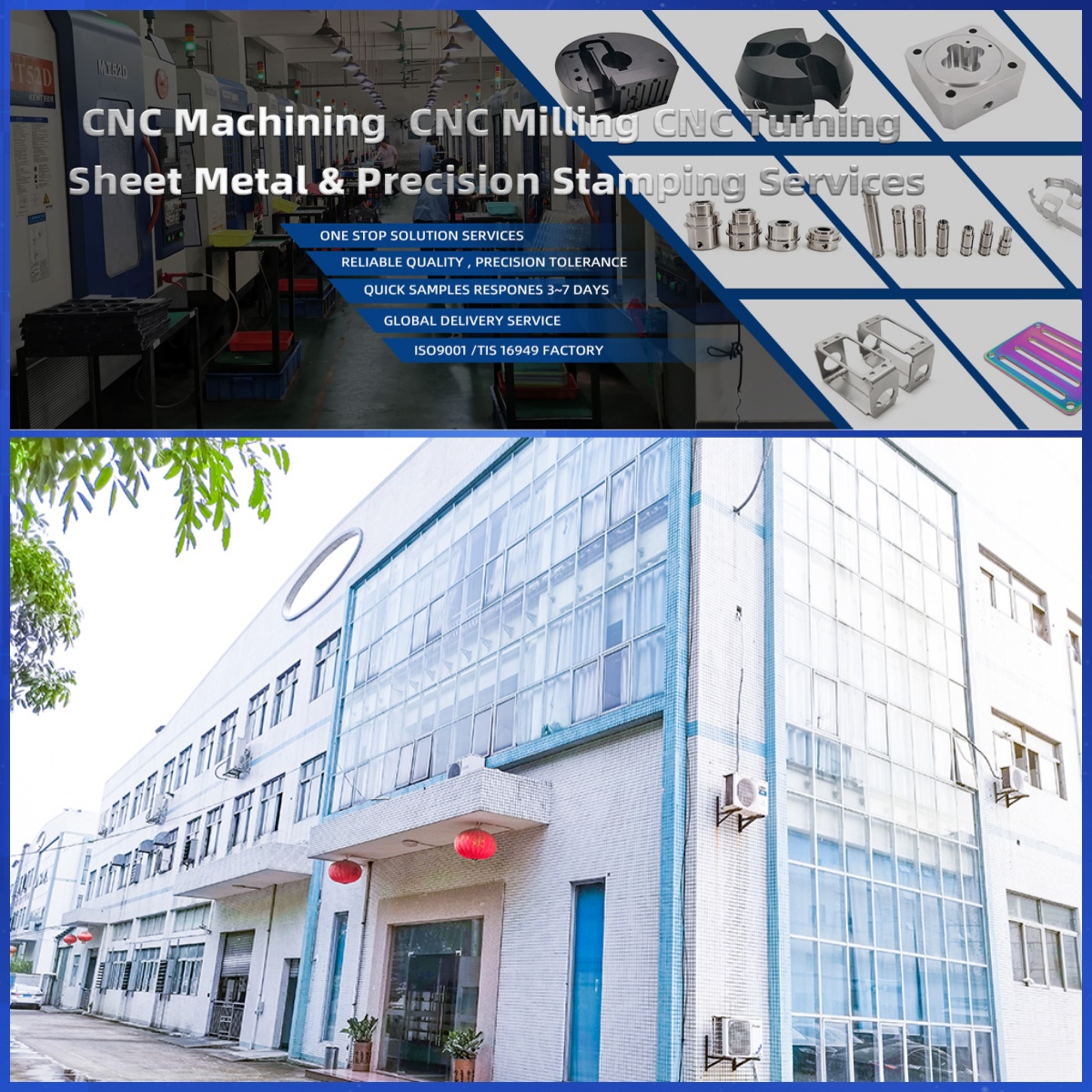
DongGuan YiTai Electronic Technologies Co.,Ltd
DongGuan YiTai Electronic Technologies Co.,Ltd is a manufacturing service provider located in Dongguan, China.
YiTai specialized in CNC turning machining and sheet metal fabrication mainly. As a member of Hung Mou Group, we focus on the overseas marketing development. And based on our parent company’s manufacturing capability and resources, YiTai also expended machining services such as die casting, injection molding, aluminum profile extrusion, 3D printing, which are committed to providing customers with one-stop purchasing services and experience.
CNC MACHINING , CNC MILLING , CNC TURNING , SHEETMETAL , FASTENER , OTHERS




Is Nickel a Magnetic Material?
Complete Guide to Aluminum Surface Treatment Processes
Related Article