cnc turning & milling

- What Is CNC Turning & Milling?
- How CNC Turning & Milling Creates Components
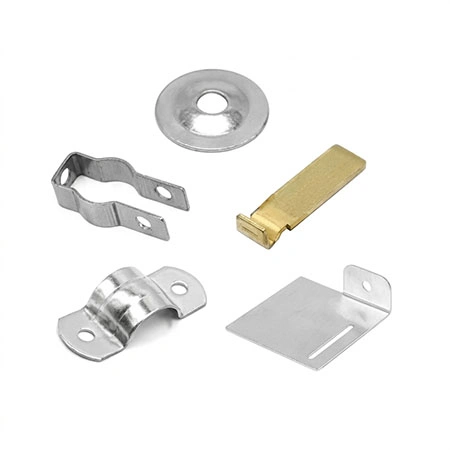
- Types of Components Made via CNC Turning & Milling (From the Image)
- Benefits of CNC Turning & Milling
- Expert Insight on CNC Turning & Milling
- FAQ About CNC Turning & Milling
1. What Is CNC Turning & Milling?
- CNC stands for Computer Numerical Control. A computer program guides the machine's movements. Unlike manual machining (where a worker operates tools by hand), CNC machines follow digital instructions. This makes the process faster, more accurate, and less likely to have errors.
- CNC turning uses a lathe. The lathe spins a workpiece (like a metal rod). Cutting tools then shape the spinning material. It's great for making round parts, such as bolts, shafts, or cylinders.
- CNC milling uses a milling machine. The workpiece stays still. Rotating cutters move across the workpiece to remove material. This is ideal for flat parts, parts with slots, holes, or complex 3D shapes (like gears or brackets).
2. How CNC Turning & Milling Creates Components
CNC Turning Process
- Load the material: A metal bar (such as brass, aluminum, or steel) is placed into the lathe's chuck. The chuck holds the bar tight and spins it.
- Set up tools: Different cutting tools are loaded into the lathe's tool turret. Each tool has a specific job (like cutting outer diameters, adding threads, or creating flat ends).
- Run the program: A CNC operator loads a program (written in G-code, a language for machine tools). The program tells the lathe how fast to spin the bar, how deep to cut, and where the tool should move.
- Shape the part: As the bar spins, the cutting tool moves in precise paths. It shaves off material to create the desired shape. For example, to make a bolt, the lathe first shapes the shaft, then uses a threading tool to add screw threads.
- Finish and unload: Once the part is done, the lathe stops. The finished part is removed, and the process repeats for the next part.
CNC Milling Process
- Secure the workpiece: The material (like a metal block or plastic sheet) is clamped to the milling machine's table.
- Choose cutters: Milling cutters come in many types (such as end mills for slots, face mills for flat surfaces, or ball mills for curved shapes). The right cutter is loaded into the machine's spindle.
- Program the machine: A G-code program is loaded. It tells the mill where to move the cutter, how fast to spin the cutter, and how much material to remove.
- Machine the part: The spindle spins the cutter. The machine moves the cutter across the workpiece. For example, to make a gear, the mill cuts teeth into a metal disk by moving the cutter in precise patterns.
- Inspect and remove: After machining, the part is checked for accuracy with tools like calipers or micrometers. Then it’s removed from the table.
3. Types of Components Made CNC Turning & Milling

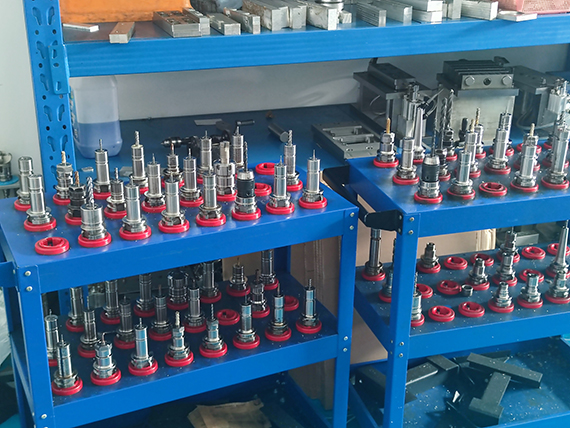
Nuts and Bolts
- CNC turning role: Turning shapes the shaft of a bolt (the long, threaded part). It also creates the smooth cylindrical body of a nut.
- CNC milling role: Milling adds hexagonal shapes to nuts (so wrenches can grip them). It can also create special slots or patterns on bolt heads.
- Use case: In automotive engines, brass bolts hold metal parts together. The precision of CNC ensures bolts don't loosen over time, which prevents engine vibrations or damage.
Connectors
- CNC turning role: Turning makes the cylindrical base of connectors (ensuring they fit snugly into ports).
- CNC milling role: Milling cuts slots or notches so connectors can lock into place. It also creates flat surfaces for wiring or soldering.
- Use case: In electronics (like smartphones), tiny copper connectors use CNC to ensure a perfect fit with circuit boards. This prevents loose connections that could cause devices to fail.
Spacers and Washers
- CNC turning role: Turning produces flat, circular washers (which spread out pressure from screws to prevent damage to materials like wood or plastic).
- CNC milling role: Milling creates spacers with irregular shapes (such as spacers with holes for wiring in robots or 3D printers).
- Use case: In 3D printers, brass spacers keep moving parts aligned. CNC precision ensures the printer's nozzle stays straight, so prints come out smooth and accurate.
Special-Shaped Parts
- Combined CNC use: These parts use both turning (for the main round body) and milling (for slots, holes, or unique shapes).
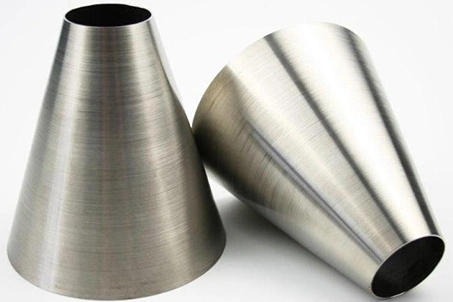
- Example: A tapered nozzle for a glue dispenser. Turning shapes the conical body. Milling cuts a precise hole down the center so glue flows evenly without clogs.
- Use case: In medical devices (like insulin pumps), CNC-made nozzles ensure medicine is delivered in exact doses. Even a tiny error in the nozzle's shape could change the dose and harm patients.
4. Benefits of CNC Turning & Milling

High Precision
Repeatability
Complex Shapes
Fast Production
Material Versatility
- Metals: Brass, aluminum, steel, stainless steel, titanium, copper.
- Plastics: Nylon, polycarbonate, PVC, PEEK (a strong plastic for medical parts), Delrin.
- Others: Wood, foam, carbon fiber, glass-reinforced plastics.
This means CNC can make parts for industries from aerospace (titanium engine parts) to toys (plastic gears for action figures).
Comparison with Traditional Machining
| Feature | CNC Turning & Milling | Traditional Machining |
|---|---|---|
| Precision | Very high (±0.005–0.01 mm) | Low (±0.1–0.5 mm) |
| Repeatability | Perfect (all parts identical) | Poor (parts vary) |
| Complex Shapes | Easy (handled by software) | Hard (needs skilled workers) |
| Production Speed | Fast (runs 24/7 with little pause) | Slow (depends on worker speed) |
| Labor Need | Low (one worker runs multiple machines) | High (one worker per machine) |
| Material Range | Wide (metals, plastics, etc.) | Narrow (mainly metals) |
| Error Rate | Very low (software-controlled) | High (human error common) |
5. Expert Insight on CNC Turning & Milling
6. FAQ About CNC Turning & Milling
Q1: What materials can be used in CNC turning & milling?
- Metals: Brass, aluminum, steel, stainless steel, titanium, copper.
- Plastics: Nylon, polycarbonate, PVC, PEEK, Delrin.
- Others: Wood, foam, carbon fiber, glass-reinforced plastics.
Q2: How long does it take to make a part with CNC turning & milling?
- Simple parts (like a basic washer): 1–5 minutes.
- Medium parts (like a bolt with threading): 5–15 minutes.
- Complex parts (like a drone frame with multiple holes): 30 minutes to 2 hours.
The first part takes longer (due to setup), but mass production is fast.
Q3: Are CNC turning & milling expensive?
- Less labor (one worker can run 2–5 CNC machines at once).
- Fewer errors (so less material is wasted).
- Faster production (so you make more parts in less time).
For small batches (like 10 parts), CNC can be costly. For large batches (like 1,000 parts), it's very cost-effective.
Q4: Can CNC turning & milling make custom parts?
Q5: What industries use CNC turning & milling?
- Aerospace: Engine parts, satellite components, aircraft brackets.
- Automotive: Engine bolts, transmission gears, brake components.
- Medical: Implants (hip, knee), surgical tools, drug delivery devices.
- Electronics: Circuit board connectors, phone casings, computer parts.
- Plumbing: Brass valves, pipe fittings, faucet parts.
- Defense: Gun parts, radar components, tank hardware.
Q6: How accurate are CNC turning & milling?
Q7: Do CNC turning and milling need a lot of human help?
- A worker loads the material and sets up tools.
- The worker loads the CNC program.
- The machine runs automatically. The worker can monitor multiple machines at once.
- After machining, the worker unloads parts and checks quality.
So, one worker can manage 2–5 CNC machines, which saves labor costs.
Q8: What's the difference between CNC turning and milling?
- Turning: The material spins. The tool stays still (or moves slowly). Best for round shapes (like bolts, cylinders).
- Milling: The material stays still. The cutting tool spins and moves. Best for flat shapes, slots, holes, or complex 3D shapes (like gears, brackets).
Many parts use both processes (like a bolt: turning for the shaft, milling for the hex head).
Q9: Can one part use both CNC turning and milling?
- A hydraulic fitting has a threaded body (made by turning) and a square base (made by milling).
- A camera lens mount has a cylindrical body (turning) and mounting holes (milling).
Turn-mill machines combine both processes in one setup, which saves time.
Q10: How to get started with CNC turning & milling for a project?
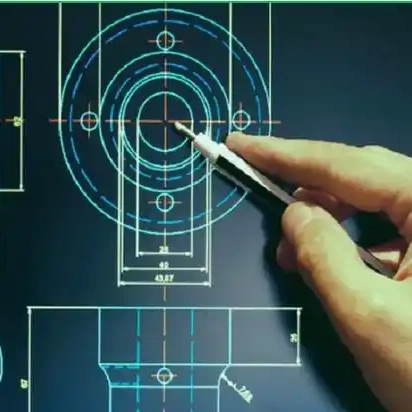
- Design your part: Use CAD software (like Fusion 360, SolidWorks, or even free tools like Tinkercad) to create a 3D model.
- Find a CNC shop: Look for a local or online CNC machining service (search “CNC machining service” online).
- Share your design: Send the CAD file to the shop. They will check if it’s possible to make and give a quote (price and lead time).
- Approve the quote: Once you agree to the price and when you’ll get the parts, the shop will program the CNC machine.
- Receive your parts: The shop makes the parts and ships them to you. You can then test or use the parts.
Q11: Can CNC machines make parts with text or logos?
Q12: What is the maximum size of parts made by CNC turning & milling?
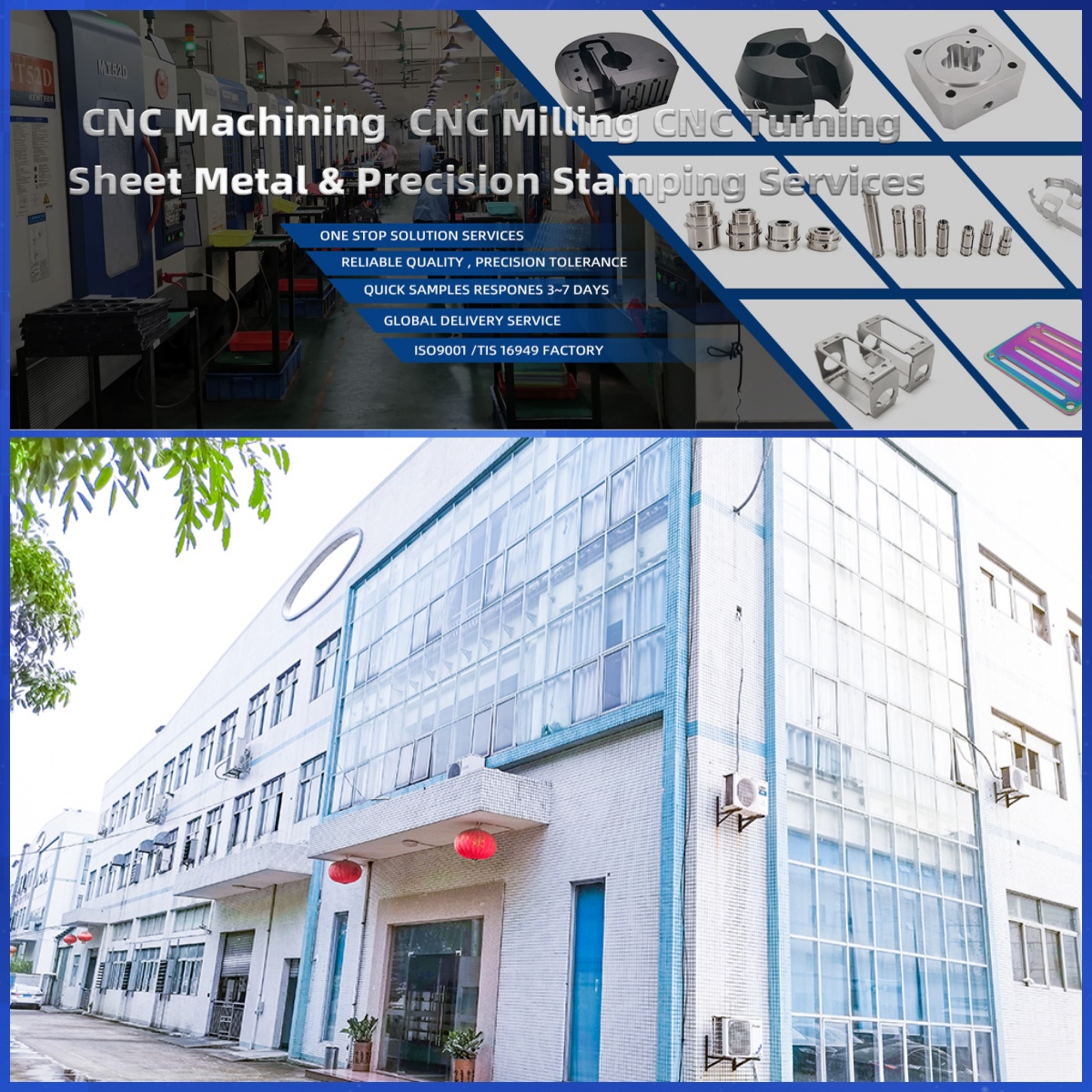
DongGuan YiTai Electronic Technologies Co.,Ltd
DongGuan YiTai Electronic Technologies Co.,Ltd is a manufacturing service provider located in Dongguan, China.
YiTai specialized in CNC turning machining and sheet metal fabrication mainly. As a member of Hung Mou Group, we focus on the overseas marketing development. And based on our parent company’s manufacturing capability and resources, YiTai also expended machining services such as die casting, injection molding, aluminum profile extrusion, 3D printing, which are committed to providing customers with one-stop purchasing services and experience.
CNC MACHINING , CNC MILLING , CNC TURNING , SHEETMETAL , FASTENER , OTHERS




Lightweight Metals in Hardware: Comparison and Applications
What is the Melting Point of Zinc?
Related Article