Essential Steps to Master CNC Machining Centers: From Setup to Inspection

- Preparation Before Machine Startup
- Workpiece Clamping: Securing for Precision
- Workpiece Probing: Setting Reference Zero
- CAM Software Programming: Path to Accuracy
- Tool Preparation: Matching Tools to Tasks
- Processing Parameter Setup: The Math of Machining
- Initiating Machining: Safety & Precision in Action
- Post-Processing Self-Inspection: Ensuring Quality
- Expert Q&A: Common CNC Machining Center Questions
1. Preparation Before Machine Startup
2. Workpiece Clamping: Securing for Precision
- Cleaning surfaces: Remove iron chips, dust, or oil to prevent slippage.
- Deburring: Use files or oilstones to smooth edges—burrs can throw off alignment.
- Using calibrated fixtures: Equal-height iron pads (ground flat) and secure clamps (tightened nuts) distribute pressure evenly.
3. Workpiece Probing: Setting Reference Zero

- Centering probing: Touch both sides of the workpiece, calculate the midpoint, and set this as the zero.
- Single-side probing: Touch one edge, offset by the probe radius, and set zero.
4. CAM Software Programming: Path to Accuracy
- Generate efficient toolpaths.
- Run interference checks to avoid collisions.
- Export safe NC codes for the machine.
5. Tool Preparation: Matching Tools to Tasks

- Selecting tools per the programming guide
- Setting Z-axis zero using a height gauge: Touch the tool to the gauge, reset coordinates, and record values in G54-G59.
6. Processing Parameter Setup: The Math of Machining
- Spindle speed: N = 1000×V/(3.14×D) (N = rpm; V = cutting speed; D = tool diameter)
- Feed rate: F = N×M×Fn (F = mm/min; M = number of flutes; Fn = cutting per flute)
7. Initiating Machining: Safety & Precision in Action
- Hole drilling: Start with a center drill, then a smaller bit, before finishing.
- DNC operation: Confirm file names match before transmitting programs.
8. Post-Processing Self-Inspection: Ensuring Quality
- Dimensions against drawings (e.g., length, width for vertical surfaces).
- Critical features (e.g., hole positions, surface finish).
9. Expert Q&A: Common CNC Machining Center Questions
A: Likely causes include loose clamping, probe calibration issues, or worn tools. Our blog Something about cnc you must need to know covers tool maintenance in detail.
A: Centering is better for symmetric parts; single-side works for irregular shapes. For plastics, where precision is critical, see CNC Machining of Plastics: A Comprehensive Guide for material-specific probing tips.
A: Rushing parameter setup. “New users often ignore feed rate calculations, leading to tool breakage,” Chen says. Always verify parameters with the tool manufacturer's specs.
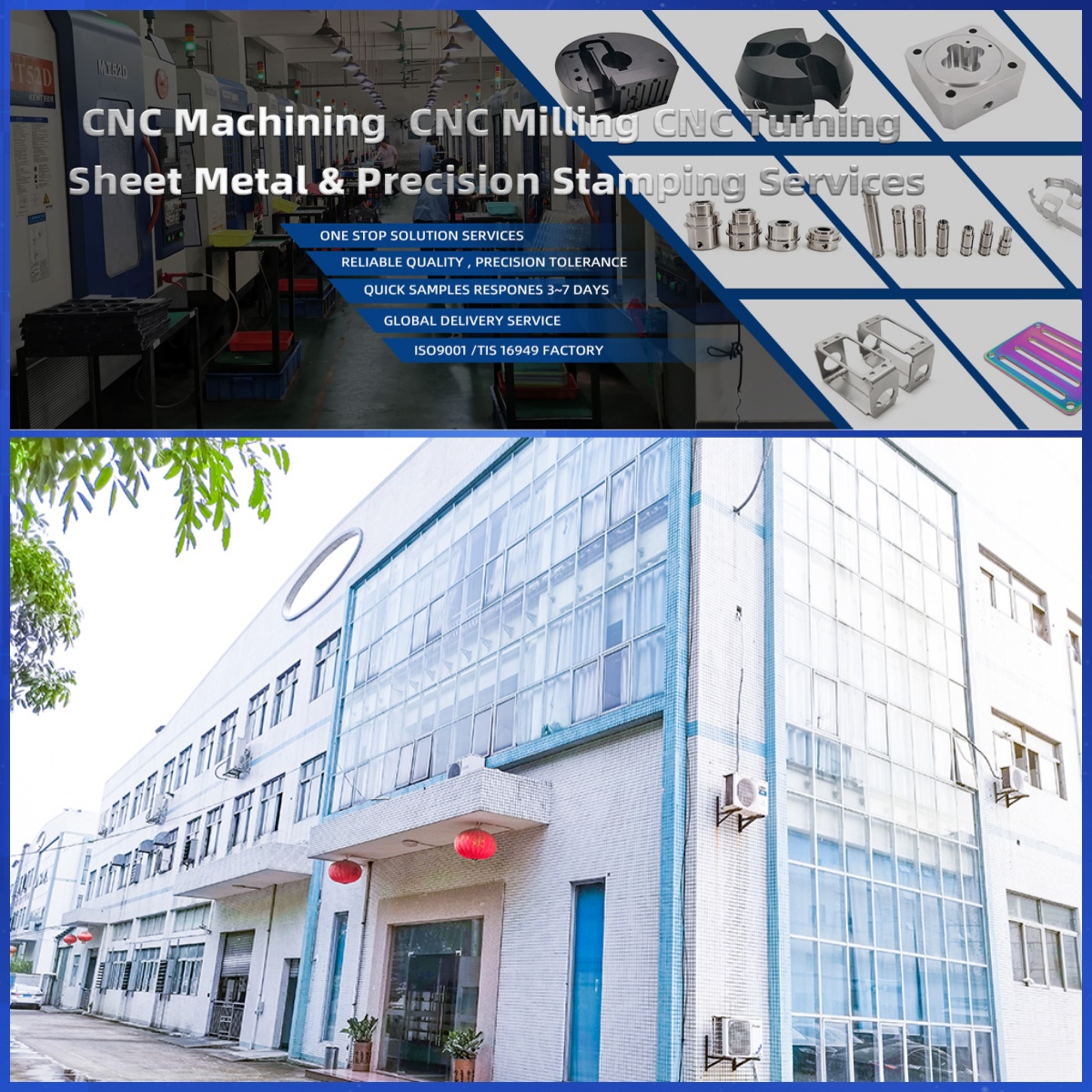
DongGuan YiTai Electronic Technologies Co.,Ltd
DongGuan YiTai Electronic Technologies Co.,Ltd is a manufacturing service provider located in Dongguan, China.
YiTai specialized in CNC turning machining and sheet metal fabrication mainly. As a member of Hung Mou Group, we focus on the overseas marketing development. And based on our parent company’s manufacturing capability and resources, YiTai also expended machining services such as die casting, injection molding, aluminum profile extrusion, 3D printing, which are committed to providing customers with one-stop purchasing services and experience.
CNC MACHINING , CNC MILLING , CNC TURNING , SHEETMETAL , FASTENER , OTHERS




Brass Precision Turned Components: A Complete Guide
The Complete Guide to Door Handles: Applications, Manufacturing, and Material Selection
Related Article