The Future of Manufacturing: AI and Automation Trends in Multi-Axis CNC Machining

1. Introduction: How Industry 4.0 is Reshaping Precision Machining
Manufacturing is undergoing rapid transformation. The traditional model of running machines with constant manual supervision is becoming obsolete, replaced by new technologies that take full control of the shop floor. This shift is known as Industry 4.0, which connects machinery, data, and personnel in innovative ways.
2. The Rise of Automation in Multi-Axis CNC Machining
Automation is about letting machines work without people. For years, shops needed an operator for each machine. That is changing fast. Now one person can watch many machines.

2.1 Automated Loading Systems and Lights-Out Manufacturing
The most significant change is "lights-out manufacturing." This means machines continue to operate overnight in an unattended facility—the lights stay off, but the machining never stops.
So, how does it work? First, you need automatic loading systems. Robots load raw metal stock into the machine, unload the finished parts, and insert new blanks. All of this happens without any human intervention.
For instance, Ketchie Inc. has adopted this approach. They run part production during off-hours without an operator, which not only cuts labor costs but also significantly boosts output.
The goal is simple: let the machines work while the people sleep. When morning arrives, the finished parts are already there, waiting by the machine.
2.2 Machine Vision for Workpiece Positioning
Another key tool is machine vision. This means cameras that look at the part. The camera finds where the part sits. It tells the machine exactly where to cut.
Old ways needed special fixtures to hold parts. Every part had to be in the exact same spot. With machine vision, the machine finds the part itself. Even if the part sits a little wrong, the machine adjusts .
This saves time. Setup goes faster. Errors go down. For complex multi-axis jobs, this is a big help.
| Automation Feature | What It Does | Benefit to You |
|---|---|---|
| Robotic Loading | Loads and unloads parts automatically | Runs 24/7 without staff |
| Machine Vision | Finds part position with cameras | Cuts setup time, fewer errors |
| Pallet Systems | Swaps workpieces in minutes | More machine running time |
| Tool Sensors | Checks tools for wear or breakage | Stops bad parts before they happen |
3. AI-Driven Toolpath Optimization and Predictive Maintenance
AI is different from simple automation. Automation follows rules. AI learns and makes choices. In machining, AI does two main jobs. It makes toolpaths better. And it predicts when machines will break.
3.1 How Real-Time Data Analysis Extends Tool Life
Cutting metal is hard on tools. They get hot. They wear down. When tools wear, parts come out wrong. This costs money.
AI helps by watching the cut in real time. Sensors measure vibration, load, and temperature. The AI adjusts speed and feed right away. It slows down when the cut gets hard. It speeds up when things are smooth.
Productive Machines makes software called SenseNC™. It works with Siemens NX CAM. The software sets the best speeds before the first cut. In one test, it raised productivity by 25% . Tools lasted longer. Parts looked better.
This matters for B2B buyers. Longer tool life means lower cost per part. Fewer tool changes mean faster production.
3.2 Reducing Unplanned Downtime to Protect B2B Order Lead Times
Unplanned downtime is a nightmare. A machine stops working. Parts do not ship. Customers get angry. AI helps stop this before it starts.
This is called predictive maintenance. Sensors watch the machine all the time. They look for small changes. A little more vibration. A little more heat. The AI spots these signs. It knows a part will break soon.
Scm Group built a "Smart Spindle" system. It watches the main part of the machine. It can cut downtime by up to 30% . It even opens a service ticket by itself.
For you, this means your parts ship on time. No surprises. No delays.
Expert Insight: "Machines are like complex robots. They need guidance, but the expertise is rare," says Dr. Erdem Ozturk, founder of Productive Machines. "Technology like ours helps fill that gap, minimizing waste and making every cut count" .
4. How Technology Advances Reduce Total Costs for B2B Buyers
All this tech sounds expensive. But it saves you money. Let us look at how.
First, faster cycle times. AI finds the fastest way to cut. CloudNC's CAM Assist software programs parts in minutes, not hours. Machinists spend less time setting up. More parts come out each day.
Second, less waste. AI stops mistakes before they happen. Tools do not break as often. Parts come out right the first time. Ketchie cut tooling costs by using smarter paths. They used to change inserts after 6 parts. Now they get 15 parts per insert. That is real savings.
Third, lower labor cost. One person runs many machines. Robots do the heavy lifting. Lights-out runs mean parts get made while staff sleep. You pay for machine time, not extra people.
Fourth, better quality. AI keeps cutting steady. Every part matches the last one. You get fewer rejects. You spend less time checking parts.
| Cost Factor | Old Method | With AI/Automation | Savings |
|---|---|---|---|
| Cycle Time | Fixed speeds, human guesses | AI-optimized in real time | 20-25% faster |
| Tool Life | Change tools on schedule | Change when AI detects wear | 2-3x longer |
| Downtime | Fix after breakdown | Predict and prevent | Up to 30% less |
| Labor | One machine per person | One person runs multiple cells | 50% or more |
5. Conclusion and Call to Action
The future of machining is here. AI and automation are not toys. They are tools that cut costs and speed up delivery. Shops that use these tools give you better parts for less money.
At YiTai, we use these technologies. We run lights-out operations. We use AI to protect your lead times. We cut parts right the first time.
Do you have a project that needs precision parts? Talk to us. Let us show you how modern machining saves you money.
Contact YiTai today for a quote.
6. FAQ: Industry Common Questions
Q: What is lights-out manufacturing?
A: Lights-out means running machines with no people in the shop. Robots load parts. Machines run all night. Parts are ready in the morning.
Q: How does AI help with CNC machining?
A: AI watches sensors during cutting. It changes speeds to protect tools. It predicts when parts will break. This makes parts faster and cheaper.
Q: Is this technology expensive for small orders?
A: No. AI and automation help on all orders. For small runs, digital tools cut setup time. You pay for machine time, not human time.
Q: How do I know my parts will be right the first time?
A: AI tools simulate the cut before it happens. They find problems in the computer, not on the shop floor. This means fewer bad parts.
Q: Can you handle complex multi-axis parts?
A: Yes. Multi-axis machines with AI can cut complex shapes in one setup. This saves time and ensures accuracy.
Q: What happens if a machine breaks during my order?
A: With predictive maintenance, breakdowns are rare. The system warns us before failure. We fix it before it stops your parts.
DongGuan YiTai Electronic Technologies Co.,Ltd
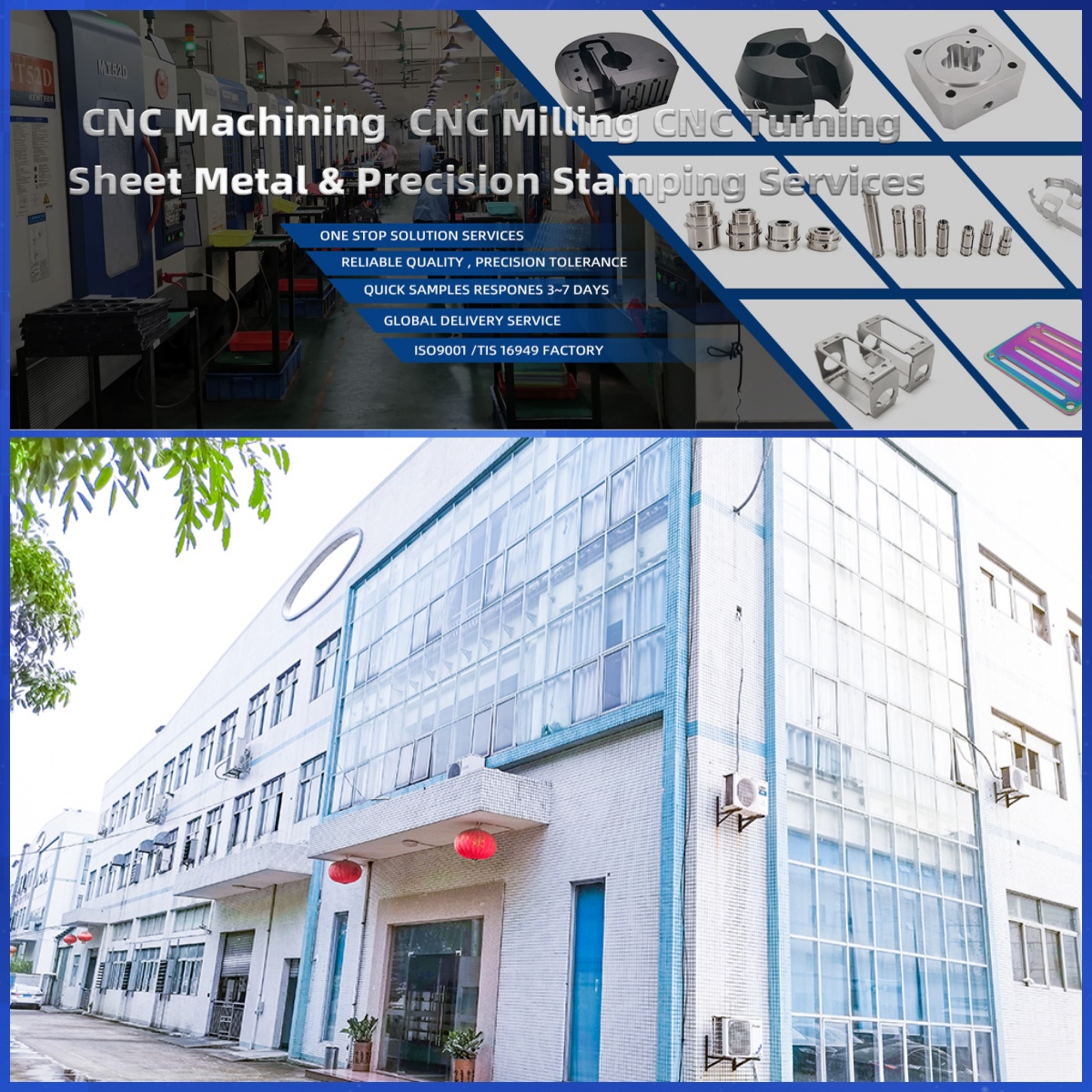
DongGuan YiTai Electronic Technologies Co.,Ltd is a manufacturing service provider located in Dongguan, China.
YiTai specialized in CNC turning machining and sheet metal fabrication mainly. As a member of Hung Mou Group, we focus on the overseas marketing development. And based on our parent company’s manufacturing capability and resources, YiTai also expended machining services such as die casting, injection molding, aluminum profile extrusion, 3D printing, which are committed to providing customers with one-stop purchasing services and experience.
CNC MACHINING , CNC MILLING , CNC TURNING , SHEETMETAL , FASTENER , OTHERS




Cr12MoV Fine Parts CNC Machined Products: Custom Solutions for High-Hardness Precision Parts
The Complete Guide to Surface Finishing for Custom Aluminum Knobs
Related Article