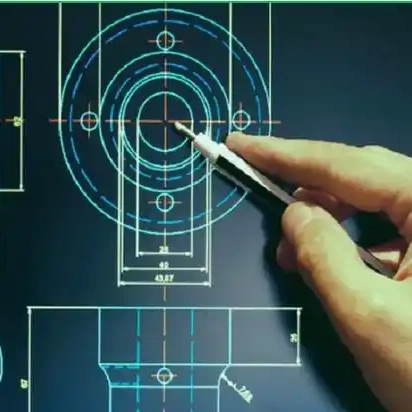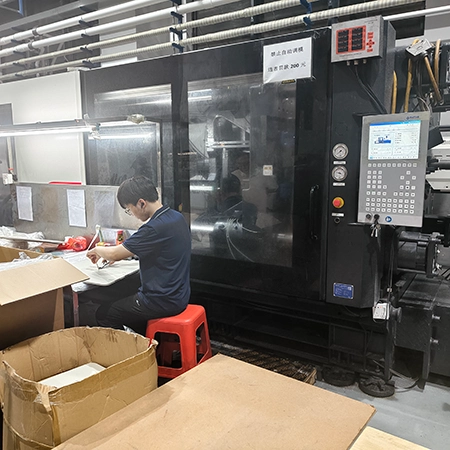
Why is it easy to produce tolerances in parts machining?
author: YITECH
2024-12-20

Our CNC machining processes are designed to achieve tight tolerances and precise dimensional accuracy, ensuring that our customers receive high-quality components that meet their exact specifications. But why is it easy to produce errors in parts machining? Comprehensive analysis of the seven main causes...
The quality of the finished product is closely related to the quality of the tool machine. In the long-term production of the tool machine, due to the wear of the workpiece, fixture, tool, and then affect the "processing accuracy", and eventually lead to the tolerance of the finished parts.

1. Tool wear
Tool wear is inevitable in the cutting process, which causes the size and shape of the workpiece to change.
2. Fixture positioning
The function of the fixture is to fix the workpiece in the correct position, so the geometric tolerance of the fixture has a great influence on the machining tolerance (especially the position tolerance).
3. Stress deformation under processing conditions
➤ Workpiece stiffness: If the stiffness of the workpiece is "lower" than the tool machine, tool, fixture, under the action of the cutting force, the influence of the deformation caused by insufficient stiffness on the machining tolerance will increase
➤ Tool stiffness: The rigidity of the external turning tool on the processing surface is very large, and its deformation can be ignored, but the bore diameter of the inner hole is small, the rigidity of the tool bar is poor, and the force deformation has a great impact on the processing accuracy.
➤ Tool stiffness: The rigidity of the external turning tool on the processing surface is very large, and its deformation can be ignored, but the bore diameter of the inner hole is small, the rigidity of the tool bar is poor, and the force deformation has a great impact on the processing accuracy.

4. Heat rise
In the processing conditions, the thermal temperature rise has a great impact on the processing tolerance, especially in precision machining and large-scale machining, the tolerance caused by thermal temperature rise can sometimes account for 50% of the total tolerance of the workpiece.
5. Adjust for tolerances
In each process of machining, the processing conditions must be adjusted. But the adjustment can not be absolutely accurate, so there are tolerances. In the processing conditions, the accuracy of the mutual position of the workpiece and the tool on the tool machine is ensured by mutual adjustment between each other. When the original accuracy of the tool machine, tool, fixture and workpiece blank meet the requirements and do not consider the dynamic factors, the adjustment tolerance will play a decisive role in the machining.
6. Measure
When the parts are measured during or after processing, the measurement method, the accuracy of the measuring tool, the workpiece and subjective and objective factors will directly affect the measurement accuracy.

7. Internal stress
The stress that exists inside the part without external force is called internal stress. Once the internal stress on the workpiece is generated, the workpiece metal will be in a high-energy unstable state, and accompanied by deformation, so that the workpiece loses the original processing accuracy.
After understanding these common causes of tolerance, you can find the corresponding method faster according to the machine and processing conditions, and through regular inspection, maintenance of equipment, replacement of tools, etc., to maintain the processing level of the tool machine and reduce the product defect rate.
Are you looking for custom cnc machining service? Share your drawings and tolerances with us for your free quote!
What are the unique properties of industrial aluminum profiles?
Metal surface treatment process, why to remove oil and grease?
Related Article
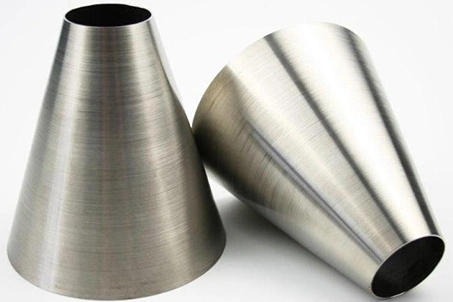
Learn how metal spinning forms rotationally symmetric parts, compare process options, and review materials, applications, cost factors, and RFQ requirements.
Metal Spinning: How the Process Works and When to Use It
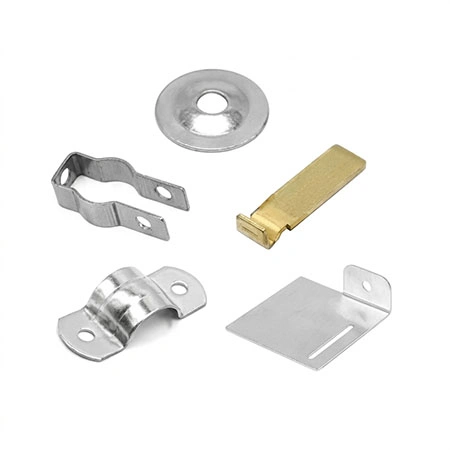
Explore precision metal fabrication processes, tolerance control, inspection, cost factors, and what to include in a custom-part RFQ.
Precision Metal Fabrication: From Drawing Review to Inspection