Beyond Microns: Choosing High Precision CNC Solutions for Complex Projects
Introduction
In today's manufacturing industry, many projects require more than just basic machining capabilities—they demand higher precision. Although the term "precision" is commonly used, its true meaning is crucial to the success of a project. This article aims to explain the true essence of high-precision CNC machining. We will look beyond simple micron-level measurements and conduct an in-depth exploration of how to select the right solutions for complex and demanding project requirements.
1. What Does "Precision" Really Mean in CNC Machining?
In everyday talk, "precision" often means tight tolerances. But in professional CNC machining, it means more. It means dimensional accuracy. It also means geometric accuracy. And it means repeatability. True precision controls not just size, but also the exact shape, position, and orientation of every feature on a part.
Linear Tolerances vs. Geometric Tolerances (GD&T)
People are familiar with linear tolerances. An annotation like "±0.025mm" is a linear tolerance, which controls a basic dimension.
However, Geometric Dimensioning and Tolerancing (GD&T) is fundamentally different and more powerful. GD&T controls the form, profile, orientation, location, and runout of features. For instance, it can ensure that a surface is perfectly flat or guarantee that two holes are exactly parallel. For complex assemblies, GD&T is often more critical than linear tolerances, as it ensures parts fit together and function as intended.
Why Is ±0.05mm a Watershed for Precision Parts?
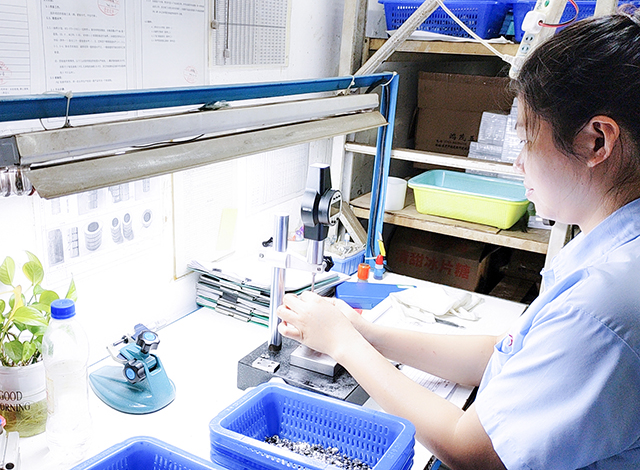
The ±0.05mm (or ±0.002 inches) tolerance is a significant benchmark. Achieving this level requires well-performing standard CNC machines. However, exceeding ±0.05mm—moving toward ±0.025mm, ±0.013mm, or even tighter tolerances—enters the domain of high-precision machining. This leap demands improvement across all aspects: the machine, tools, environment, and process control. This threshold marks the critical demarcation between general machining and machining capable of true precision.
Table: Tolerance Grades & Capability Requirements
| Tolerance Band | Typical Designation | Machine Tool Requirement | Key Supporting Factors |
|---|---|---|---|
| ±0.10 mm and above | Commercial Grade | Standard CNC Machine | Standard tooling, room temperature. |
| ±0.05 mm | Fine / Precision Grade | Good Quality CNC | Good tool holding, basic inspection. |
| ±0.025 mm to ±0.013 mm | High Precision | High-End CNC with Thermal Compensation | Climate control, premium tooling, in-process probing. |
| ±0.005 mm and below | Ultra Precision | Specialist Machine in Controlled Lab | Full thermal stabilization, metrology-grade environment, vibration isolation. |
Expert Insight: Dr. Lena Schmidt, a metrology engineer, states: "Chasing single-micron tolerances is a systems challenge. It's not just about buying an expensive machine. It's about controlling the entire ecosystem—from the air temperature to the spindle's warm-up cycle. The tolerance on the drawing is a promise; your entire process must be designed to keep it."
2. Key Factors Affecting CNC Part Accuracy
Many factors decide if a part meets its tight tolerances. The machine is important. But other factors are equally critical.
Machine Tool Repeatability and Spindle Stability
A machine's repeatability is its ability to return to the exact same position. For high precision, repeatability is more important than just accuracy. A thermally stable spindle is also essential. As the spindle runs, it gets hot. This heat makes it expand. This expansion changes the tool's position. High-precision machines have spindles designed to minimize this thermal growth. They may also have systems to measure and compensate for it automatically.
Tool Wear Compensation and Real-Time Monitoring
Cutting tools wear down. This wear changes the part dimensions. In high-precision work, automatic tool wear compensation is vital. The machine probe can measure a finished feature. Then, the CNC system can automatically adjust the tool offset to account for wear. Real-time monitoring systems go further. They listen to cutting sounds or monitor vibration. They can detect a dull tool before it makes bad parts.
3. Typical Applications: Medical Implants and Aerospace Sensors
Some industries absolutely need high precision. Their products will not work without it.
Medical Implants: Think of a knee joint or spinal device. It must fit the human body perfectly. Surface finishes must be extremely smooth to promote healing. Tolerances are tight to ensure proper movement and strength. There is no room for error.
Aerospace Sensors: These parts measure pressure, temperature, or movement. They often have tiny, complex internal channels. The geometry of these channels must be exact. A small error can change the sensor's readings. This could lead to incorrect flight data.
4. How Yitai Electronics Ensures Tolerance Stability
Yitai Electronics makes high-precision parts for optical and measurement devices. Their success comes from controlling one key factor many shops ignore: the environment.

Their precision machining lab is separate from the main workshop. This lab has strict environmental temperature control. The temperature is always held at 20°C ±1°C. This is the standard reference temperature in metrology. All machines and material sit in this room for over 24 hours before work starts. This ensures everything is at the same, stable temperature. This practice eliminates thermal expansion errors from materials and machines. It is a major reason they can consistently hold tolerances below ±0.01mm.
5. Frequently Asked Questions (FAQs)
Q1: Is high-precision CNC machining always more expensive?
Yes, it costs more. The reasons are clear. It uses more expensive machines. It uses higher-grade materials and tools. It takes more time for setup and inspection. It needs a controlled environment. But for critical applications, the cost is necessary. A part that fails can be much more expensive than the machining cost.
Q2: Can any CNC machine achieve ±0.005mm tolerances if programmed correctly?
No, it cannot. The machine's physical limits are the most important factor. A standard machine lacks the repeatability, thermal stability, and vibration damping needed. Pushing a standard machine beyond its capability leads to inconsistent results, more scrap, and no real savings.
Q3: How do you verify and certify that a part meets ultra-tight tolerances?
You cannot rely on standard calipers. Verification needs advanced metrology equipment. This includes Coordinate Measuring Machines (CMM), optical comparators, and laser scanners. A certified inspection report from these tools is the proof that a part meets its specifications.
Q4: Does material choice affect achievable precision?
Yes, it affects it greatly. Stable, homogeneous materials like 6061 aluminum or specific stainless steels are easier to machine precisely. Materials that are very hard, or that move a lot with temperature change (like some plastics), are much harder to hold to tight tolerances.
Q5: What is the first step in planning a high-precision project?
The first step is a feasibility review. Share your complete design with the machining partner early. Talk about the tightest tolerances and the most critical features. A good partner will tell you if the tolerances are needed for function. They can suggest design changes to make the part easier to make precisely and more reliably. This early talk saves time and cost later.
DongGuan YiTai Electronic Technologies Co.,Ltd
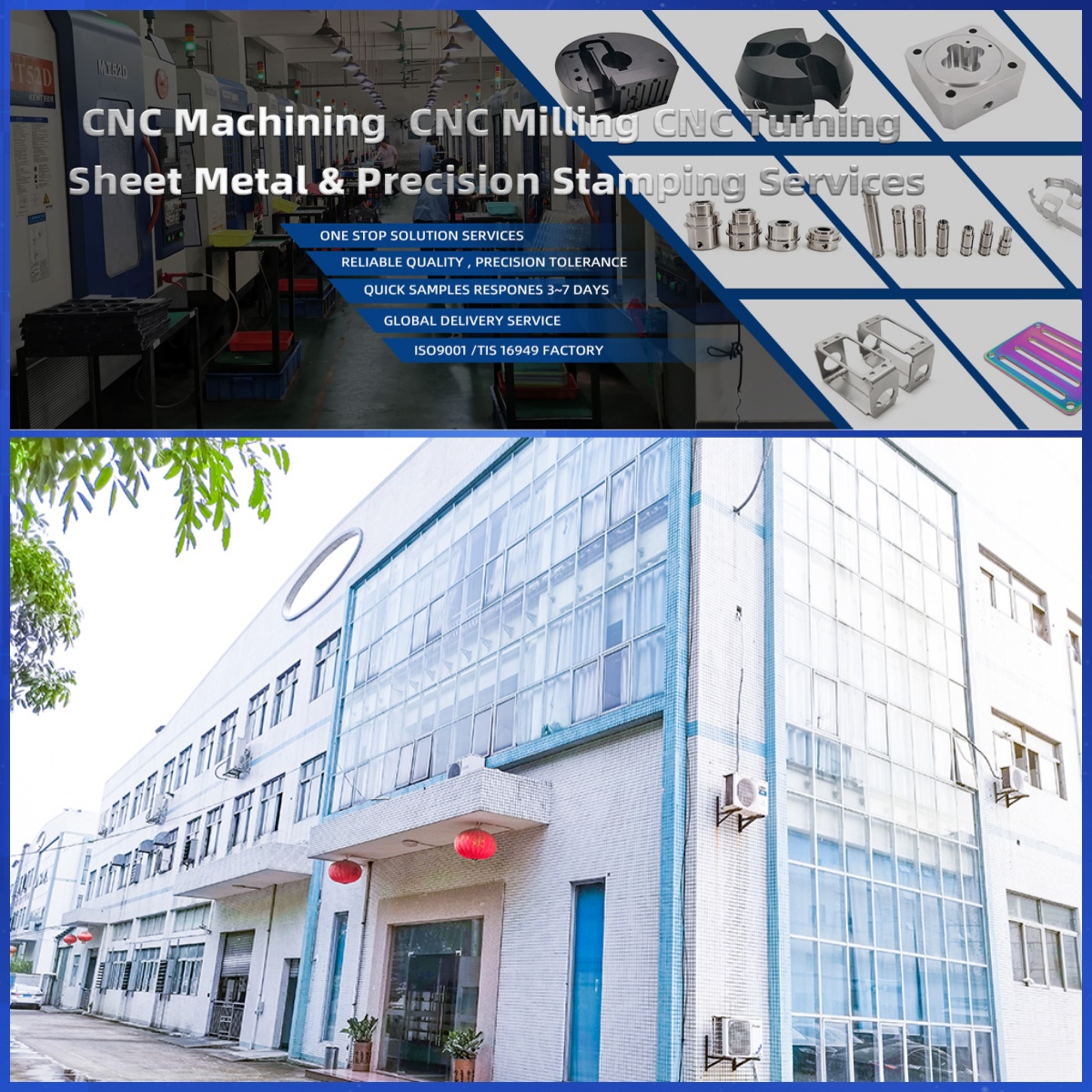
DongGuan YiTai Electronic Technologies Co.,Ltd is a manufacturing service provider located in Dongguan, China.
YiTai specialized in CNC turning machining and sheet metal fabrication mainly. As a member of Hung Mou Group, we focus on the overseas marketing development. And based on our parent company’s manufacturing capability and resources, YiTai also expended machining services such as die casting, injection molding, aluminum profile extrusion, 3D printing, which are committed to providing customers with one-stop purchasing services and experience.
CNC MACHINING , CNC MILLING , CNC TURNING , SHEETMETAL , FASTENER , OTHERS




Ultimate Lightweighting: Designing Motor Mounts with Topology Optimization & CNC Hollows
Breaking Limits: How MIM Achieves ±0.3% Precision for Complex Small Parts
Related Article