When to Use a CNC Mill vs a CNC Router: Material, Accuracy, and Cost Trade-offs
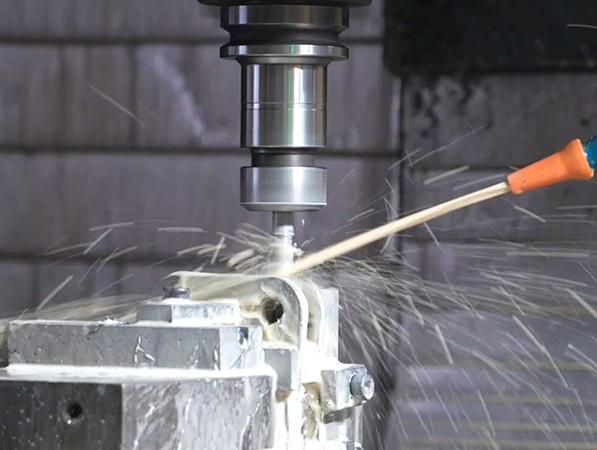
So, which one do you choose? The answer isn't always obvious. Some parts can be made on either machine. However, the cost, lead time, and quality will vary significantly.
This guide is here to help you pick the right tool for the job. We'll break it down by material, depth of cut, accuracy, and cost. By the end, you'll know the five critical questions to ask before you start production.
1. Material Tells You the Machine: Hard vs Soft
The material is the first thing to check. A CNC mill is rigid. It can push a tool through hard metal. A CNC router is lighter. It spins fast but has less cutting force.

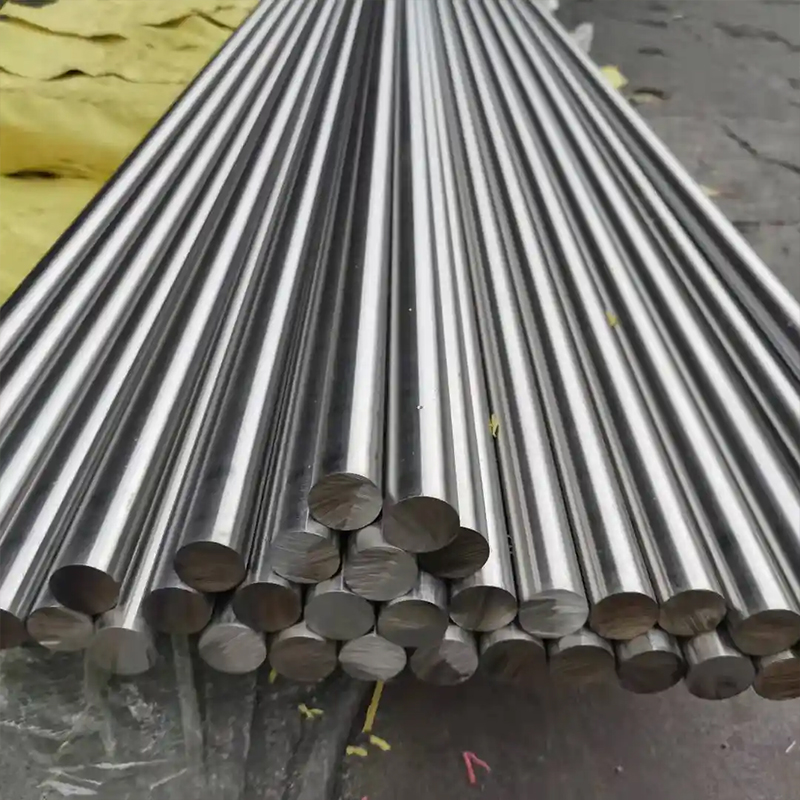

Materials That Need a CNC Mill
These materials are hard. They need a stiff machine with strong spindles.
-
Stainless steel (304, 316, 17-4)
-
Tool steel (D2, A2, O1)
-
Titanium alloys
-
Cast iron
-
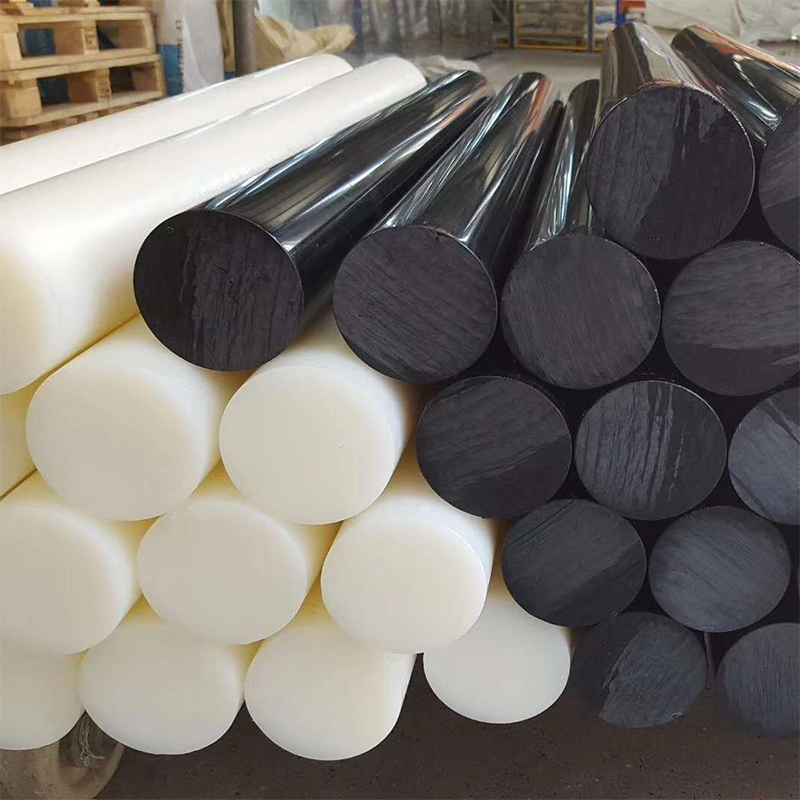
Hard engineering plastics like PEEK and glass-filled nylon
If you try to cut these on a router, the machine will shake. The tool will break. The part will come out wrong.
Materials That Fit a CNC Router
These materials are soft. A router cuts them fast and clean.
-
Wood (solid wood, plywood, MDF)
-
Acrylic and polycarbonate
-
PVC foam board
-
Aluminum sheet (thin, under 3mm, with small cuts)
-
Copper on circuit boards
A router leaves a smooth edge on these materials. It is much faster than a mill.
The Borderline Material: Aluminum 6061
Aluminum 6061 is the gray area. Both machines can cut it.
-
Use a CNC mill for thick aluminum blocks (over 10mm) or deep cuts. The mill has the rigidity to take heavy cuts.
-
Use a CNC router for thin aluminum sheets (under 3mm) or shallow engraving. The router runs fast. It leaves a good finish.
2. Cutting Volume and Efficiency Matter
The amount of material you remove changes the best machine choice.
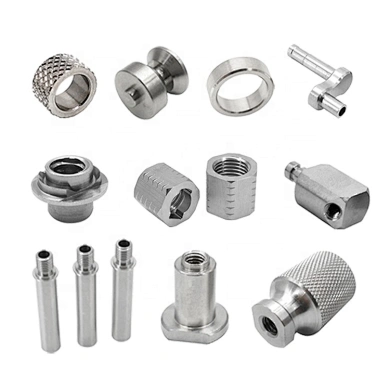
Heavy Removal Needs a Mill
A CNC mill has a rigid frame and a powerful spindle (5–30 HP). It can take a cut 3–5mm deep in steel. The feed rate is moderate. The metal comes off fast. A router cannot do this. Its frame flexes. The spindle bogs down.
Fine Details and Light Cuts Need a Router
A CNC router has a high-speed spindle (15,000–30,000 RPM). It takes shallow cuts (0.1–1mm). But it moves very fast (up to 500 inches per minute). For fine details, small letters, or smooth curved surfaces, the router gives a better finish. It leaves no tool marks.
Hybrid Strategy: Rough with Mill, Finish with Router
Some shops use both machines on the same part.
-
CNC mill: Removes 90% of the material fast. Leaves 0.5mm stock.
-
CNC router: Takes the final light cut. Gives a smooth surface. Runs fast.
This works for aluminum and soft metals. It saves time. It saves tool cost.
3. Accuracy and Tolerance Requirements
Not every part needs micron accuracy. Know your tolerance.
Micron Tolerances Need a Mill
A good CNC mill holds ±0.005mm to ±0.01mm. The machine is thermally stable. The ballscrews are precise. The frame does not bend. For bearing fits, press fits, or mating surfaces, use a mill.
General Tolerances Can Use a Router
A CNC router holds ±0.05mm to ±0.1mm. This is fine for many parts. Sign boards. Enclosures. Prototype housings. If the part only needs to look good and fit loosely, the router is enough.
The table below shows the difference.
| Feature | CNC Mill | CNC Router |
|---|---|---|
| Typical accuracy | ±0.005 – 0.01 mm | ±0.05 – 0.1 mm |
| Repeatability | ±0.002 mm | ±0.025 mm |
| Surface finish | Ra 0.4 – 0.8 µm | Ra 0.8 – 1.6 µm |
| Best for | Metal parts, tight fits | Wood, plastic, signs |
4. Cost Analysis: Hourly Rates and Tooling
Cost is a big factor. The machine rate is not the same.
CNC Mill Hourly Rate
A CNC mill costs more per hour. The machine is expensive. It uses more power. The tools cost more. Typical shop rates:
-
$80 – $150 per hour for a CNC mill
-
$40 – $80 per hour for a CNC router
When a Router Saves You Money
For soft materials or simple parts, the router is much cheaper. A 2-hour router job costs $100. The same part on a mill costs $200. For small batches (1–50 pieces) and soft materials, the router wins.
When a Mill Is the Only Choice
If the material is hard or the tolerance is tight, the mill is the only choice. Paying more for the right machine is cheaper than making scrap parts.
5. 5 Questions to Help You Decide
Ask these five questions before you pick a machine.
1. What is the hardest material in the part?
-
Hard (steel, titanium, cast iron) → CNC mill
-
Soft (wood, plastic, aluminum sheet) → CNC router
2. What is the deepest cut (in one pass)?
-
Over 2mm in metal → CNC mill
-
Under 1mm in metal or any depth in wood → CNC router
3. What is the tightest tolerance?
-
±0.01mm or tighter → CNC mill
-
±0.05mm or looser → CNC router
4. How many parts do you need?
-
1–50 prototypes in soft material → Router saves money
-
100+ production parts in metal → Mill is better
5. What is your budget priority?
-
Lowest possible cost per part → Use router if possible
-
Highest precision and reliability → Use mill
6. Expert Insight: The Hybrid Approach
“I see a lot of small shops buy a router first. They think it can do everything. Then they try to cut a steel bracket. The machine shakes. The part is scrap. Then they buy a mill. But they also keep the router. The best setup is both. Use the mill for the heavy roughing and the hard materials. Use the router for the fine details and the fast finishing. One part can go on both machines. You just need to plan the steps.”
— Applications Engineer, DongGuan YiTai Electronic Technologies
Free Process Evaluation – We Recommend the Best Machine
At 'DongGuan YiTai Electronic Technologies' , we have both CNC mills and CNC routers. We also have CNC lathes, Swiss machines, and waterjets. We do not push you to one machine. We look at your part. Then we pick the most cost-effective way to make it.
Send us your drawing and material. We will give you a free process evaluation. We will tell you which machine to use. We will also give you a firm quote.
7. Frequently Asked Questions (FAQ)
Q: Can a CNC router cut aluminum?
A: Yes, but only thin sheets (under 3mm) and with small cut depths (0.5mm per pass). Use a single-flute carbide tool and spray coolant. For thick aluminum blocks, use a CNC mill. A router will chatter and break tools.
Q: Is a CNC mill always more accurate than a router?
A: Yes. A mill has a rigid cast iron frame and precision ballscrews. A router has a lighter frame. It may use belts or rack-and-pinion drives. The mill holds tighter tolerances. For parts that need ±0.01mm or better, use a mill.
Q: Which machine is better for making PCBs (printed circuit boards)?
A: A CNC router is better for PCBs. It uses a small, high-speed spindle (30,000 RPM). It cuts copper foil and fiberglass. The small tool (0.2–1mm) needs high RPM. A mill spindle is too slow for these tiny tools.
Q: Can I cut steel on a router?
A: No. A standard CNC router cannot cut steel. The machine is not rigid enough. The spindle lacks torque. You will break tools and damage the machine. For steel, use a CNC mill or a CNC lathe.
Q: How do I choose between a mill and a router for a one-off prototype?
A: Look at the material first. If it is metal, use a mill. If it is wood or plastic, use a router. For a one-off part, the setup time matters more than the cycle time. A router is faster to set up for soft materials. A mill needs more setup but cuts hard materials.
Q: Does DongGuan YiTai Electronic Technologies offer both mill and router services?
A: Yes. We have a full CNC milling department with 3-axis and 4-axis mills. We also have CNC routers for wood, plastic, and aluminum sheet work. We help you pick the right machine. Send us your file for a free recommendation.
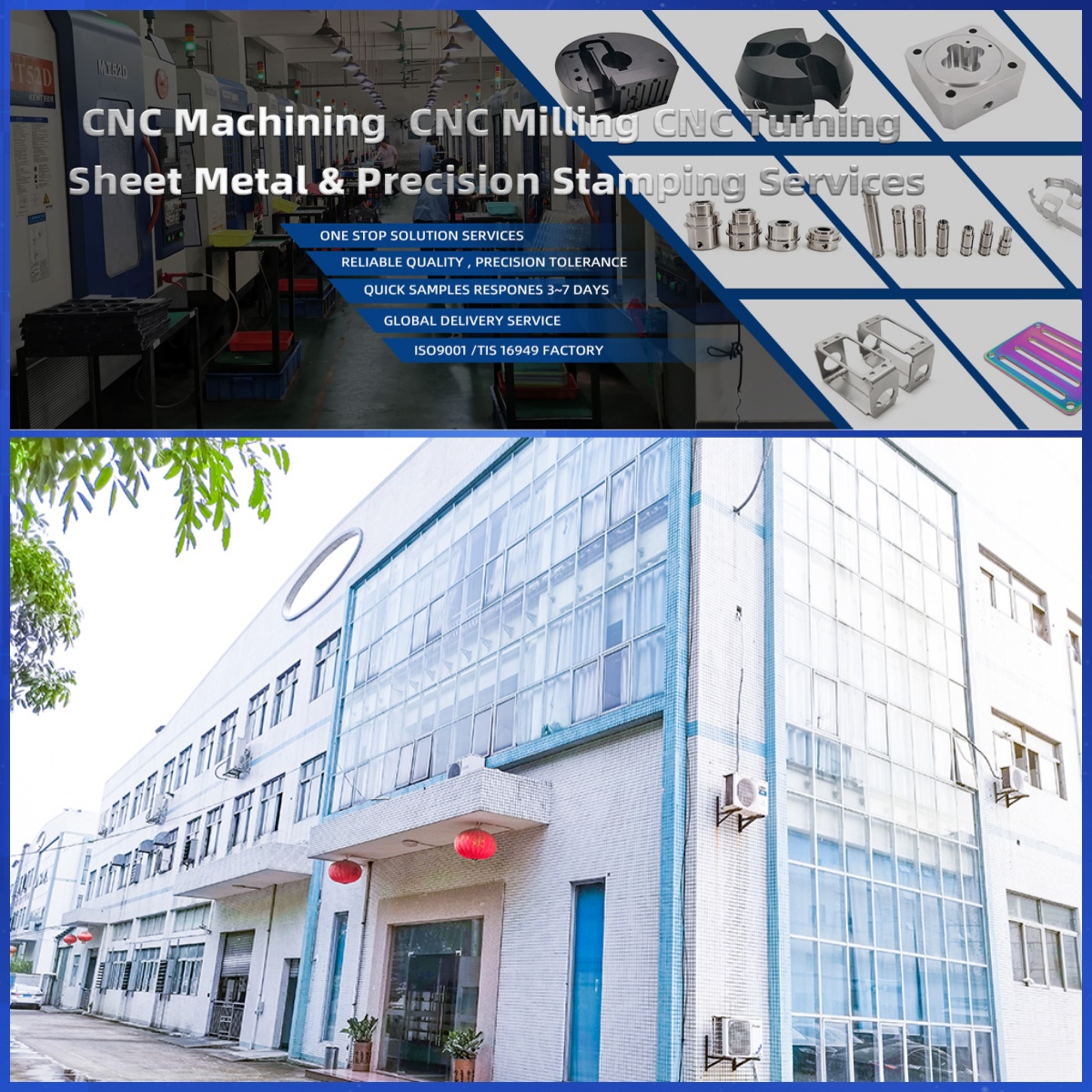
DongGuan YiTai Electronic Technologies Co.,Ltd
DongGuan YiTai Electronic Technologies Co.,Ltd is a manufacturing service provider located in Dongguan, China.
YiTai specialized in CNC turning machining and sheet metal fabrication mainly. As a member of Hung Mou Group, we focus on the overseas marketing development. And based on our parent company’s manufacturing capability and resources, YiTai also expended machining services such as die casting, injection molding, aluminum profile extrusion, 3D printing, which are committed to providing customers with one-stop purchasing services and experience.
CNC MACHINING , CNC MILLING , CNC TURNING , SHEETMETAL , FASTENER , OTHERS




Complete Guide to PVC CNC Machining: Material Types, Process Characteristics, and Precision Part Applications
What Is the Function of a Heat Sink? The Core of Electronics Thermal Management and the Role of CNC Precision Machining
Related Article