The Core of CNC: A Guide to Essential Materials
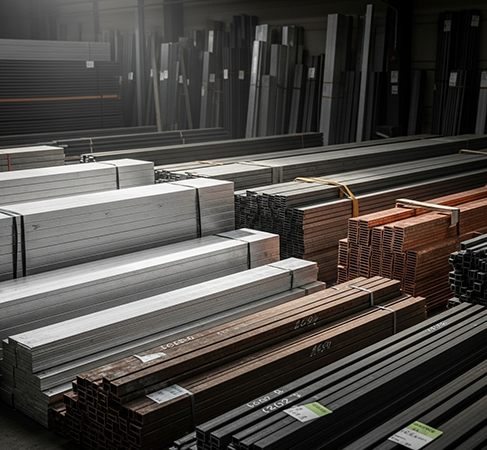
1. What is CNC Machining?
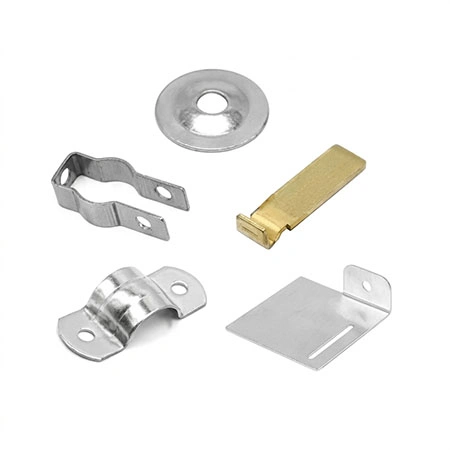
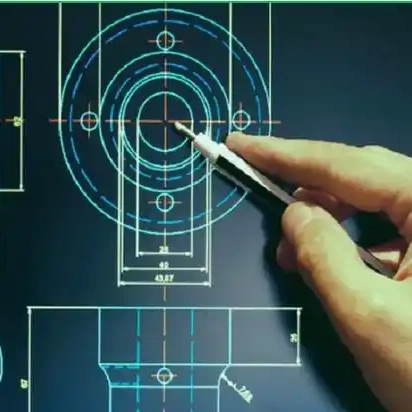
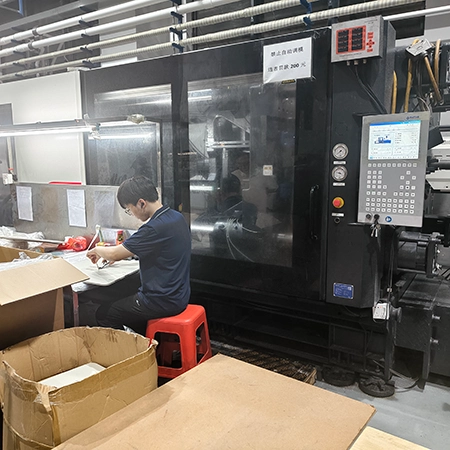
CNC machining is a manufacturing process. It uses a computer numerical control (CNC) system to control tool movements and machine custom parts from blocks of material. Material selection is crucial—it determines the part's strength, weight, and cost. High-quality parts start with the right material choice.
2. The Big Three: Metals, Plastics, and Composites
CNC machines can cut many types of materials. We put them into three main groups: metals, plastics, and composites.
2.1 Metals: The Powerhouses of Strength

Metals are often used for parts needing high strength and durability. They handle high stress and high heat well.
Aluminum: The Lightweight Champion
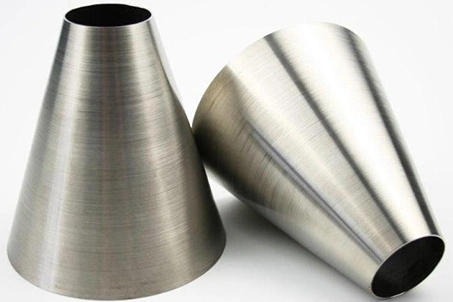
Aluminum is very popular. It is lightweight, strong, and machines easily. It resists rust well. This makes it perfect for aerospace and car parts. Grades like 6061-T6 are common.
Steel offers great strength and hardness. It is stronger than aluminum. Stainless steel (like 304 or 316) resists rust even better. It is used for tools, medical devices, and large structures.
Titanium is very strong but also light. It resists heat and rust extremely well. It is costly to buy and difficult to cut. It is often used for high-end aerospace and medical implants.
2.2 Plastics: Flexibility and Cost-Effectiveness
Plastics are chosen when low weight, electrical insulation, or low friction are important. They are usually less expensive than metals.
ABS: The Everyday Plastic
ABS (Acrylonitrile Butadiene Styrene) is a common plastic. It is impact resistant and easy to machine. It is used for housings, toys, and protective covers.
Nylon: The Tough, Wear-Resistant Plastic

Nylon (Polyamide) is known for its toughness and low friction. It handles wear and tear well. It is often used for gears, bushings, and bearings.
Polycarbonate (PC): Clear and Strong
PC is known for its transparency and high impact strength. It is much stronger than regular glass. It is used for windows, safety guards, and protective lenses.
2.3 Composites and Other Materials: New Frontiers
This group includes materials that offer special features not found in pure metals or plastics.
Carbon Fiber: Lightness Meets Stiffness
Carbon fiber is a composite material. It is extremely light and stiff. It is used where weight saving is critical, like in race cars and high-performance sports gear.
Ceramics: For Extreme Heat
Some ceramics can be machined. They are great for parts that must survive very high temperatures and harsh chemicals.
3. Comparing Key CNC Materials
Choosing a material means looking at its properties. This table compares common materials on a simple scale.
Material Properties Comparison Table
| Material | Cost (1=Low, 5=High) | Strength | Machinability | Weight | Rust Resistance | Common Uses |
| Aluminum (6061) | 2 | High | Excellent | Low | Good | Car, Aerospace, Fixtures |
| Stainless Steel (304) | 3 | Very High | Good | High | Excellent | Food, Medical, Hardware |
| Titanium (Grade 5) | 5 | Very High | Fair | Medium | Excellent | Aerospace, Implants |
| ABS Plastic | 1 | Medium | Excellent | Very Low | N/A | Housings, Covers, Toys |
| Nylon (PA) | 2 | High | Good | Low | N/A | Gears, Bearings, Bushings |
4. Expert View: Choosing the Right Material
Dr. Eleanor Vance, a materials science expert, shares her view:
"Many people choose a material based only on cost. This is a mistake. The best material is the one that meets all the functional requirements. Think about load, environment, and life cycle. For example, saving money on a cheap metal that rusts fast will cost more in the long run when the part fails. Always balance performance with price."
She says to always ask three questions:
-
What forces will act on the part (Is strength needed)?
-
Where will the part be used (Does it need to fight rust or heat)?
-
How long does the part need to last (Is wear resistance important)?
5. Common Questions About CNC Materials (FAQ)
Q1: What is the easiest material to machine?
A: Aluminum (specifically the 6061 grade) is generally the easiest material to cut. It is soft and cuts fast. Many plastics, like ABS, are also easy to machine.
Q2: Why is titanium so hard to machine?
A: Titanium is hard to machine for two reasons. First, it is very strong. Second, it does not transfer heat well. The heat builds up in the cutting tool, making the tool wear out very fast. This needs special tools and slower cutting speeds.
Q3: Can wood be used in CNC machines?
A: Yes, wood and wood products (like plywood) are often used in CNC routing machines. Wood is easy to cut and is used for furniture, art, and prototyping.
Q4: Does the material choice affect the total cost much?
A: Yes, the material choice is a huge part of the total cost. Raw material cost is the first factor. But a hard material (like titanium) also takes longer to cut. This increases the machine time cost. A softer material (like aluminum) cuts fast, which saves money.
Q5: What is the best material for high-temperature parts?
A: For very high temperatures, special materials are best. These include high-nickel alloys and some ceramics. Standard aluminum and plastics will melt or lose strength quickly.
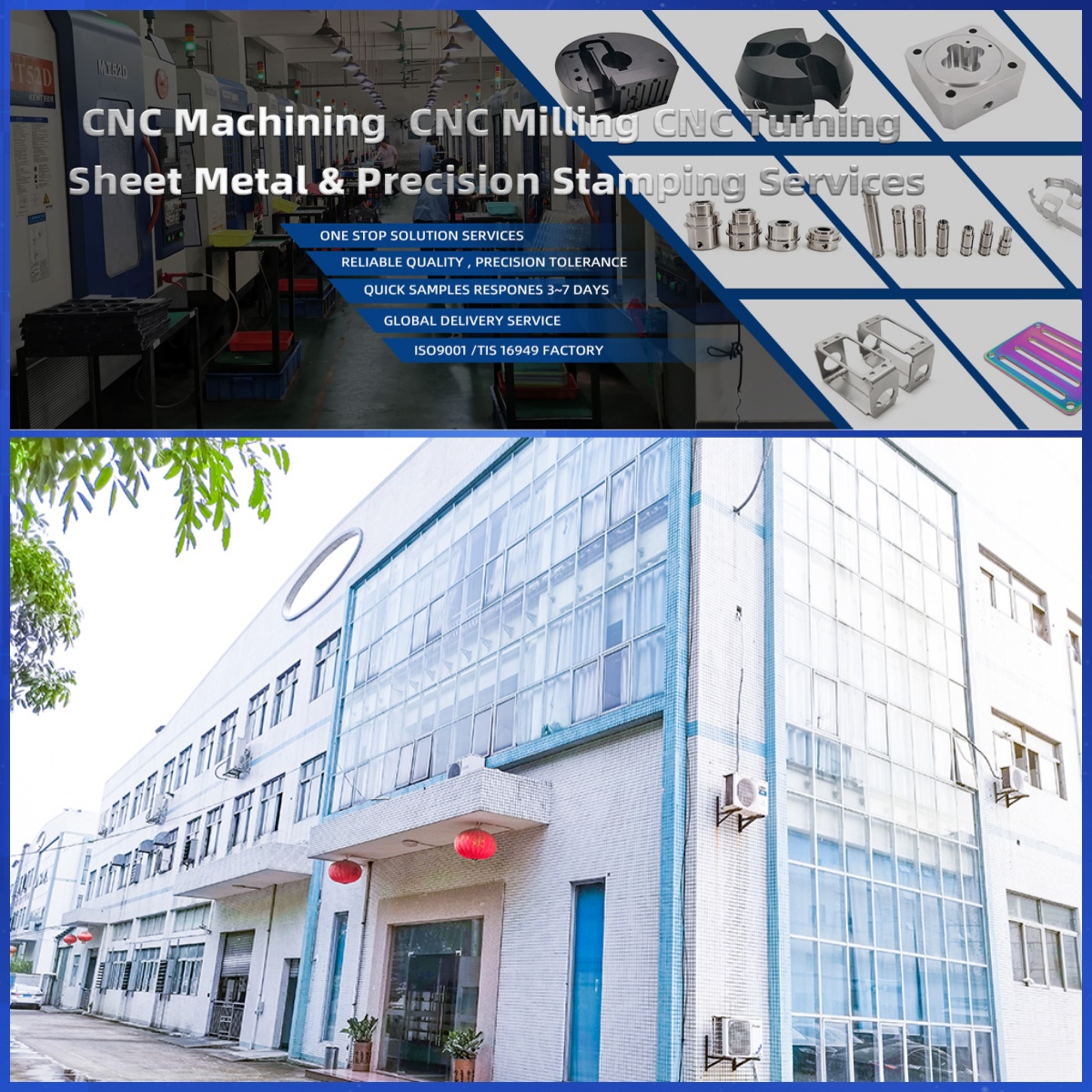
DongGuan YiTai Electronic Technologies Co.,Ltd
DongGuan YiTai Electronic Technologies Co.,Ltd is a manufacturing service provider located in Dongguan, China.
YiTai specialized in CNC turning machining and sheet metal fabrication mainly. As a member of Hung Mou Group, we focus on the overseas marketing development. And based on our parent company’s manufacturing capability and resources, YiTai also expended machining services such as die casting, injection molding, aluminum profile extrusion, 3D printing, which are committed to providing customers with one-stop purchasing services and experience.
CNC MACHINING , CNC MILLING , CNC TURNING , SHEETMETAL , FASTENER , OTHERS




Delve Into Hot and Cold Chamber Die Casting
CNC Metal Cutting: A Complete Guide
Related Article