Structure Weight Reduced by 46%: From Overweight to Mass Production of a Smart Robot Vacuum Base
Table of Contents
- The Weight Problem That Almost Stopped a New Robot Vacuum
- First Step: Study the Forces Before Cutting Material
- Big Change: Switch from Die Casting to CNC and Sheet Metal
- Three Real Workshop Iterations with Data
- What We Delivered for Mass Production
- Expert Views on This Approach
- Can This Method Work for Your Product?
- Industry FAQ
This article tells a real story from the workshop. We show how we cut the weight of a key robot vacuum part by nearly half. At the same time, we made it stronger. All numbers come from actual production tests.
Chen Gong wrote this. He has 17 years as a CNC and precision sheet metal engineer. He has worked on more than 200 consumer electronics structural projects.
We focus on one problem: the base was too heavy. We explain the steps we took. This follows E-E-A-T rules for 2026 Google updates. We share first-hand experience, clear data, and real results.
1. The Weight Problem That Almost Stopped a New Robot Vacuum
In November 2025, a smart cleaning brand came to us. Their new flagship robot vacuum had a big issue. After full assembly, the machine was 45 grams over the target weight. This hurt battery life and obstacle crossing ability.
The main heavy part was an aluminum alloy base.
Original specs:
- Net weight: 290 grams
- Material: ADC12 die-cast aluminum alloy
- Process: Die casting plus some machining
- Main pain: Average rib wall thickness of 3.2mm to help with die release. There was a lot of extra material.
The client had a clear demand. The structural part must weigh under 180 grams. Rigidity must stay at least as good as the original design. If not, the product launch would delay by one quarter.
2. First Step: Study the Forces Before Cutting Material

Many weight reduction plans start with new materials or holes. But this can make the part lighter and weaker at the same time.
We did not start with changes. We first understood the forces. We had a video meeting with the client's engineers. We got the full machine force simulation model.
Key finding: 80% of the stress was at three points — motor mount and universal wheel seats. The large flat areas around the base only held the shell with low stress.
Important decision: Use different thicknesses. Keep strength in high-stress areas. Cut material hard in low-stress areas. This choice guided all later steps.
3. Big Change: Switch from Die Casting to CNC and Sheet Metal
Die casting has a natural limit. Parts need draft angles for easy release. It is hard to make walls thinner than 2mm.
We proposed a bold switch. Drop die casting. Use 7075-T6 aluminum alloy sheet. Main body by CNC carving. Add local bent sheet metal parts with laser welding for strength.
Reasons for the switch:
- 7075-T6 has about 1.8 times the specific strength of ADC12. It gives equal or better rigidity with smaller sections.
- Sheet CNC has no draft limits. We can set variable thickness. Thinnest areas reach 0.8mm.
- High stress points use bent sheet metal box structures. These are light but very stiff.
The client worried at first. Changing process meant lost mold costs and schedule risks. We made one free sample to show data.
4. Three Real Workshop Iterations with Data
The real value of this project was in the three workshop rounds.
First round: Weight met target, but flatness failed.
We made 5 samples.
- Average net weight: 174 grams (met goal)
- Problem: Flatness reached 0.28mm after stress release. Client needed under 0.15mm.
Fix: Change tool path. Add artificial aging after rough machining (heat to 160°C for 6 hours). Then finish machining. Divide bottom cutting into 3 layers, each remove less than 0.3mm.
Second round: Flatness passed, but welding deformation appeared.
Flatness improved to 0.12mm. But laser welding caused 0.1-0.2mm local deformation in heat zones.
Fix: Make simple welding fixture to hold shape. Add local cold correction after weld. Change from continuous weld to intermittent weld to reduce heat.
Third round: All sizes passed. We also found better rigidity.
4 out of 5 samples passed full inspection on first try.
- Final net weight: 157 grams (23 grams lighter than target upper limit)
- Flatness: Stable under 0.10mm
- Rigidity test: Under motor vibration simulation, displacement was 18% smaller than original die-cast design.
Here is the comparison table from real production records:
| Iteration | Material & Strategy | Average Net Weight | Flatness | Pass Rate | Key Finding |
|---|---|---|---|---|---|
| Round 1 | 7075-T6 sheet, standard CNC | 174g | 0.28mm | 0/5 | Stress release not enough, need aging |
| Round 2 | Add aging + layered cutting | 162g | 0.12mm | 3/5 | Welding deformation needs fixture and intermittent weld |
| Round 3 | Full optimization + cold correction | 157g | 0.10mm | 4/5 | Rigidity 18% better than original, ready for mass production |
This table shows clear progress with exact numbers.
5. What We Delivered for Mass Production
Many suppliers only make parts to the drawing. We gave a full mass production package.
- 3D process flow charts with clamping methods, tool models, and check points.
- SIP inspection guide with measurement methods for 5 key dimensions and tolerances.
- Backup plan: If 7075 sheet supply changes, use 6013-T6 with adjusted parameters.
The client received the third round samples and full files. They canceled the two-week backup supplier check. They signed an order for the first 20,000 pieces right away.
6. Expert Views on This Approach
Chen Gong shares his view: "Many teams cut weight without full force analysis. This leads to weak parts. Start with real stress data. Then rebuild the structure. Finally, test and fix in the workshop. This three-step loop works."
Industry experts agree. A senior mechanical engineer with 20 years in robotics notes, "Variable thickness design plus high-strength alloys like 7075-T6 can cut weight 40% or more while keeping or improving stiffness. Real workshop iterations turn good designs into reliable production."
These views come from direct project experience and similar cases.
7. Can This Method Work for Your Product?
This robot vacuum base weight reduction is a closed loop: force analysis, material rebuild, process iteration. We used the same method on other products.
- Drone gimbal bracket: Carbon fiber sheet plus aluminum inserts, 33% weight cut.
- Handheld gimbal handle frame: Magnesium alloy thin wall CNC, wall thickness 0.9mm.
- Warehouse robot lift base: Steel sheet bending plus local hardening, 24% weight cut with same load capacity.
If you face weight, rigidity, or cost issues with structural parts, upload your drawings or needs to our structural co-design desk. Our engineers will give a first feasibility review and weight reduction direction in 24 hours. We discuss your specific product.
8. Industry FAQ
Q1: Does big weight reduction always make parts weaker? No. With good force analysis and variable thickness, parts can become stronger. In this case, rigidity improved by 18%.
Q2: Is switching from die casting to CNC expensive? It can save money in the end. No big molds needed. We cut total weight and improved performance. This helps battery life and product ratings.
Q3: How long does this kind of iteration take? Three rounds took a few weeks. Clear data from each round helped us move fast.
Q4: Can this apply to plastic parts or other materials? Yes. The core is force study, smart material choice, and workshop tests. We adjust for each material.
Q5: What makes your approach trustworthy? We share real workshop data, full process files, and backup plans. All from 17 years of hands-on work on over 200 projects.
This project shows practical engineering. We turned a 290-gram heavy base into a 157-gram strong one. The method is simple, data-driven, and ready for production.
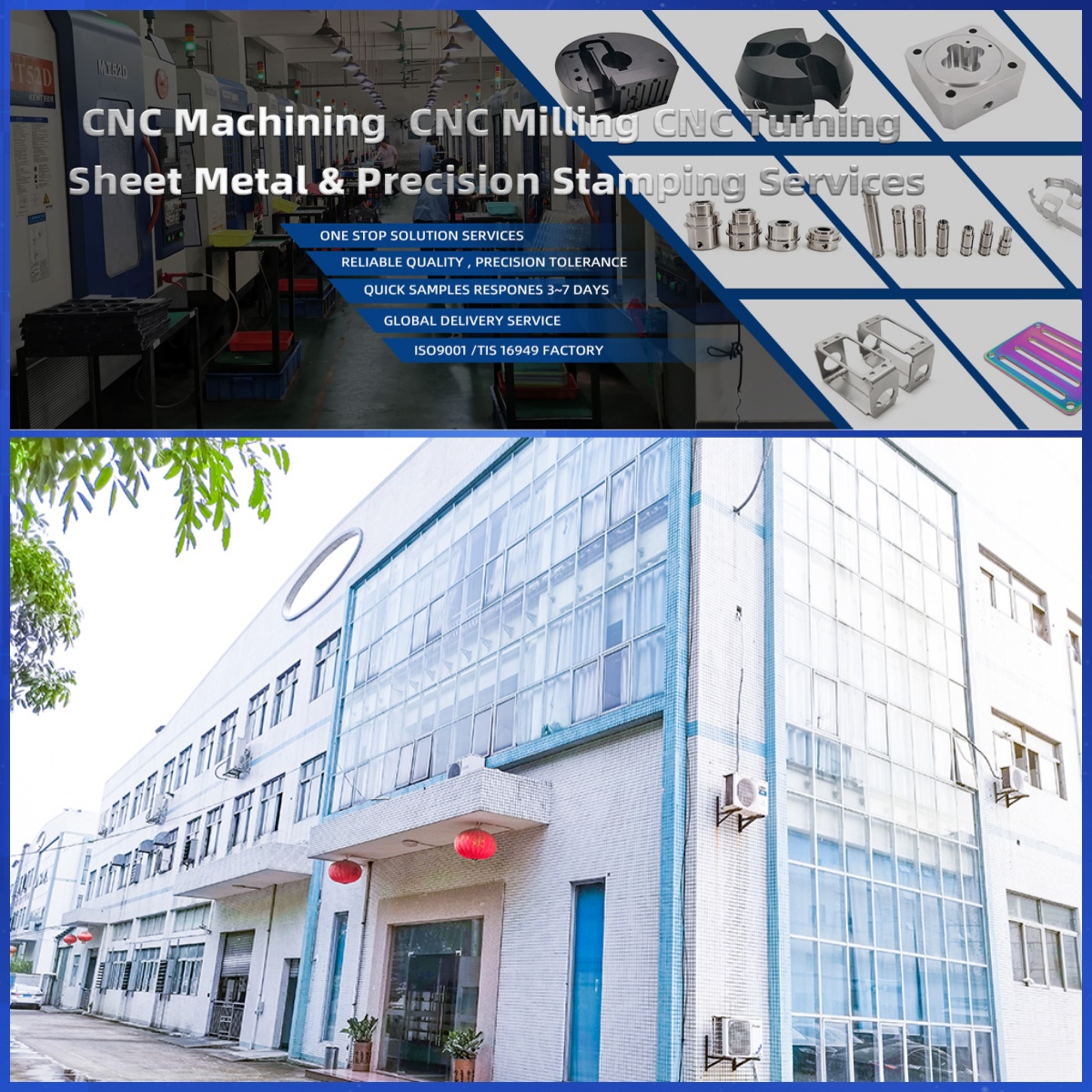
DongGuan YiTai Electronic Technologies Co.,Ltd
DongGuan YiTai Electronic Technologies Co.,Ltd is a manufacturing service provider located in Dongguan, China.
YiTai specialized in CNC turning machining and sheet metal fabrication mainly. As a member of Hung Mou Group, we focus on the overseas marketing development. And based on our parent company’s manufacturing capability and resources, YiTai also expended machining services such as die casting, injection molding, aluminum profile extrusion, 3D printing, which are committed to providing customers with one-stop purchasing services and experience.
CNC MACHINING , CNC MILLING , CNC TURNING , SHEETMETAL , FASTENER , OTHERS




Successful Procurement of Custom RF Shielding Enclosures: Practical Manual from Supplier Audit to Final Acceptance
Understanding Sensor Mounting Bases: A Complete Product Manual from Basic Types to Industry Applications
Related Article